I have lived and worked in Sausalito for over 30 years. I have designed and built more projects in this town than in any other, and what I can tell you is that Sausalito is its own place, with its own rhythms and its own way of getting things done.
When people ask me what it takes to work as a Sausalito architect, the honest answer is familiarity. Familiarity with the hillside terrain, with the neighbors, with the design review board, and with the way light moves through these streets at different times of day. That kind of knowledge comes from being here, year after year, project after project.
What Makes Sausalito Different as a Building Environment
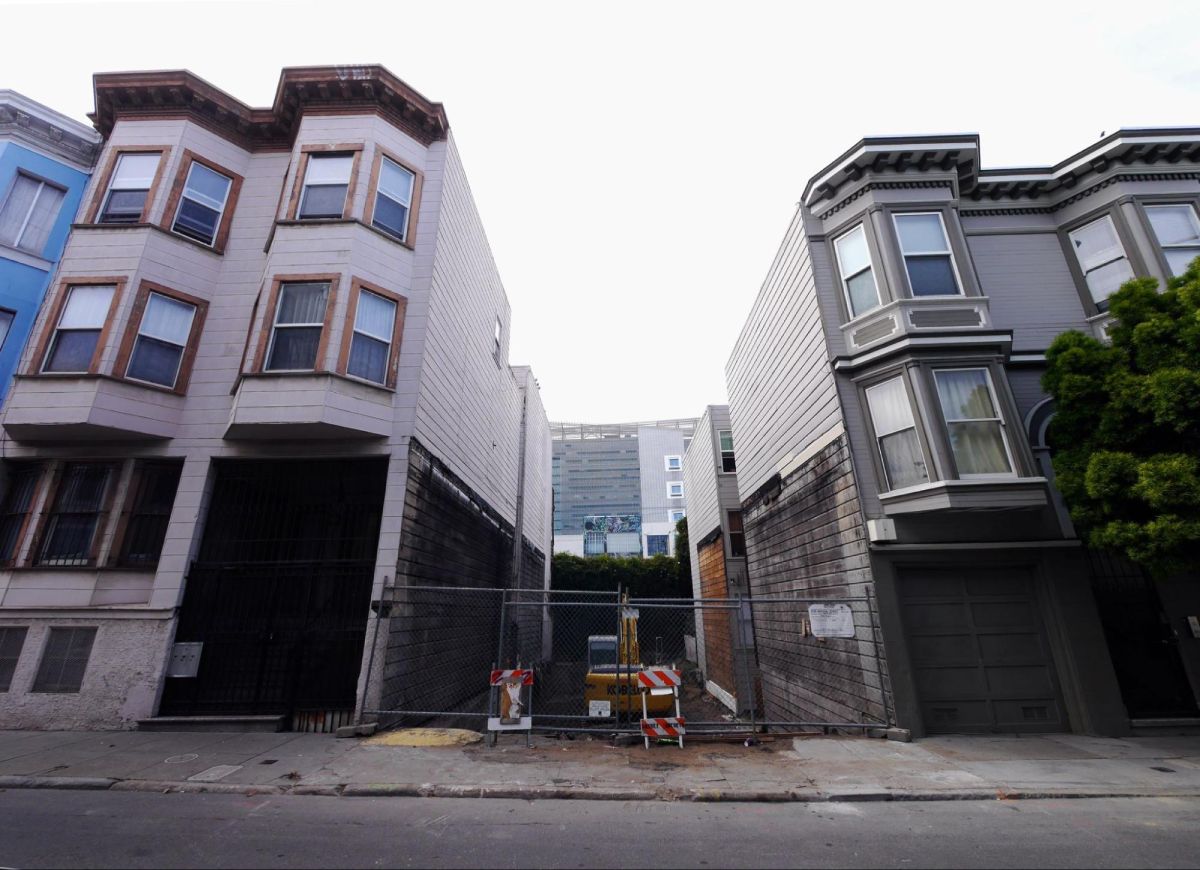
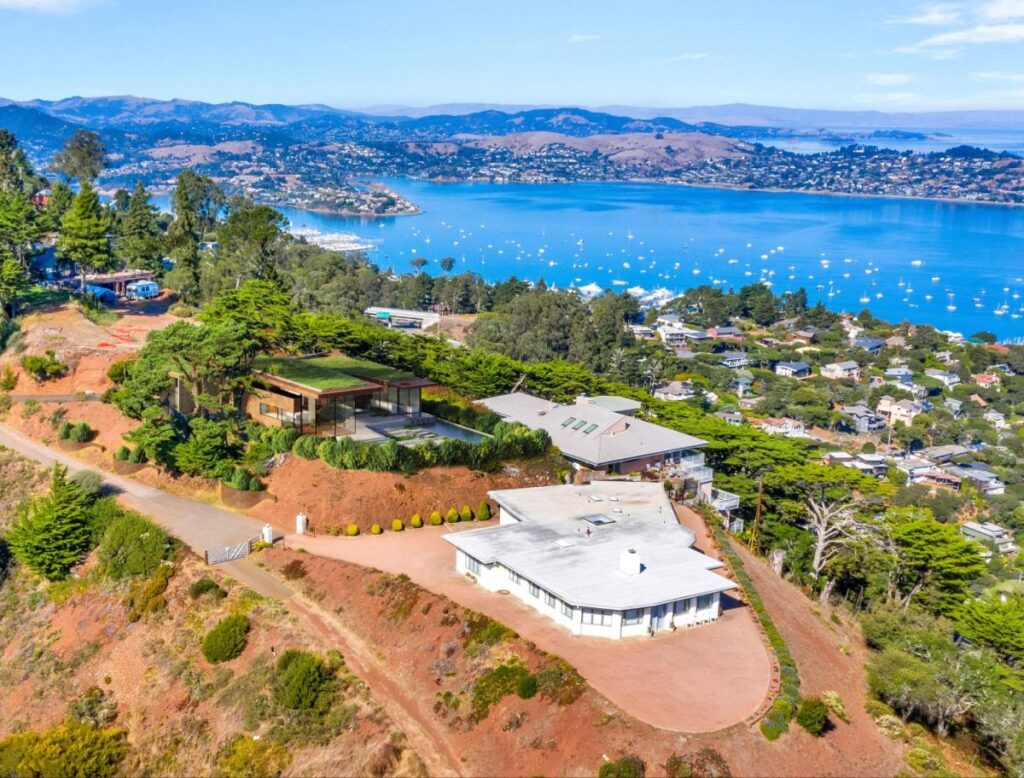
Most Sausalito properties sit on steep slopes. Homes are close together, accessed by narrow roads or shared driveways, and there is rarely a convenient place to stage materials or park a construction trailer. That is fairly common on hillside sites here, and it is one of the reasons I design from the site out, thinking about access and staging before I think about finishes.
If the drawings do not address how materials arrive and how the build sequence works on a tight lot, the project will lose momentum once construction starts.
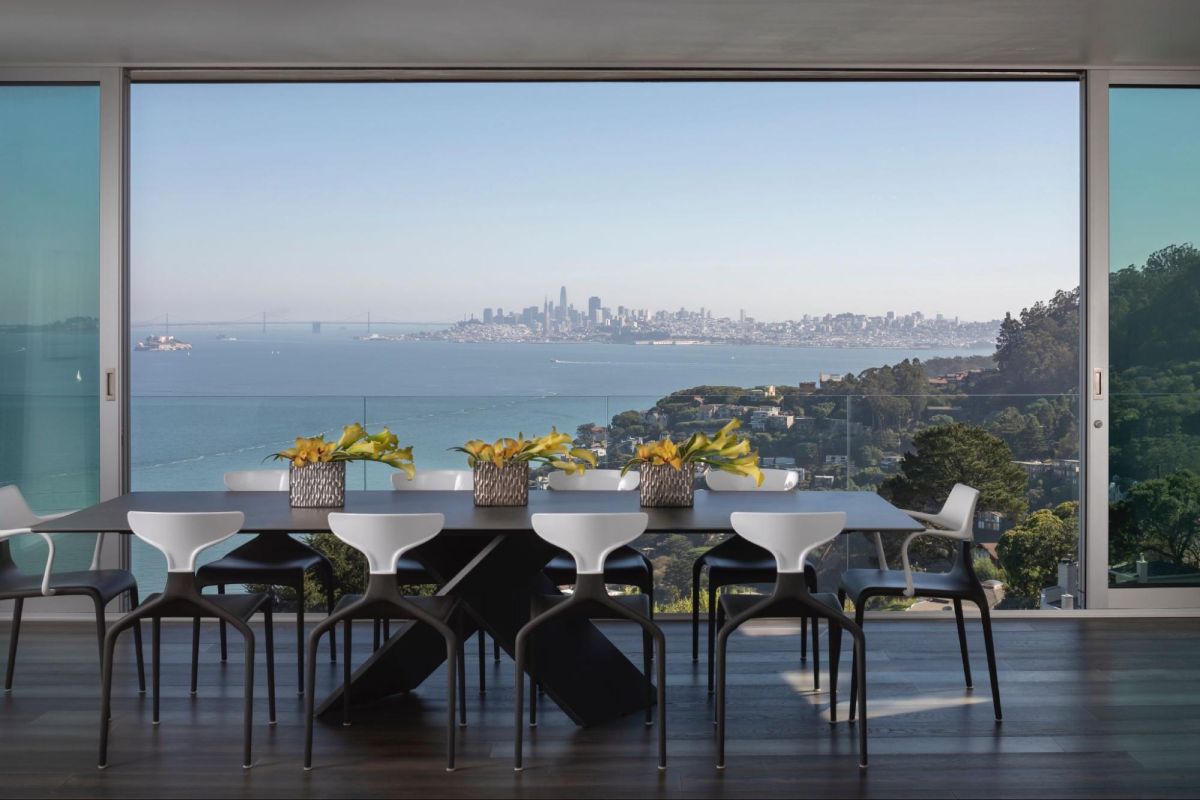
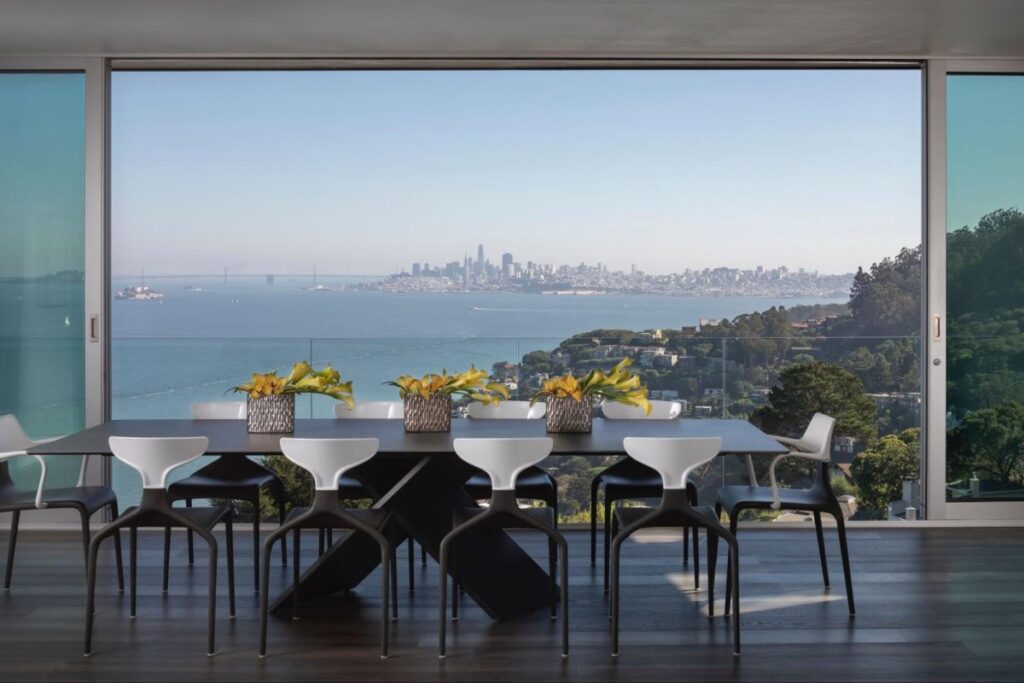
One of the things that becomes clear pretty quickly when you work on Sausalito home design is how the Bay itself shapes interiors. In homes overlooking the water, a surprising amount of natural light comes from reflection off the Bay’s surface.
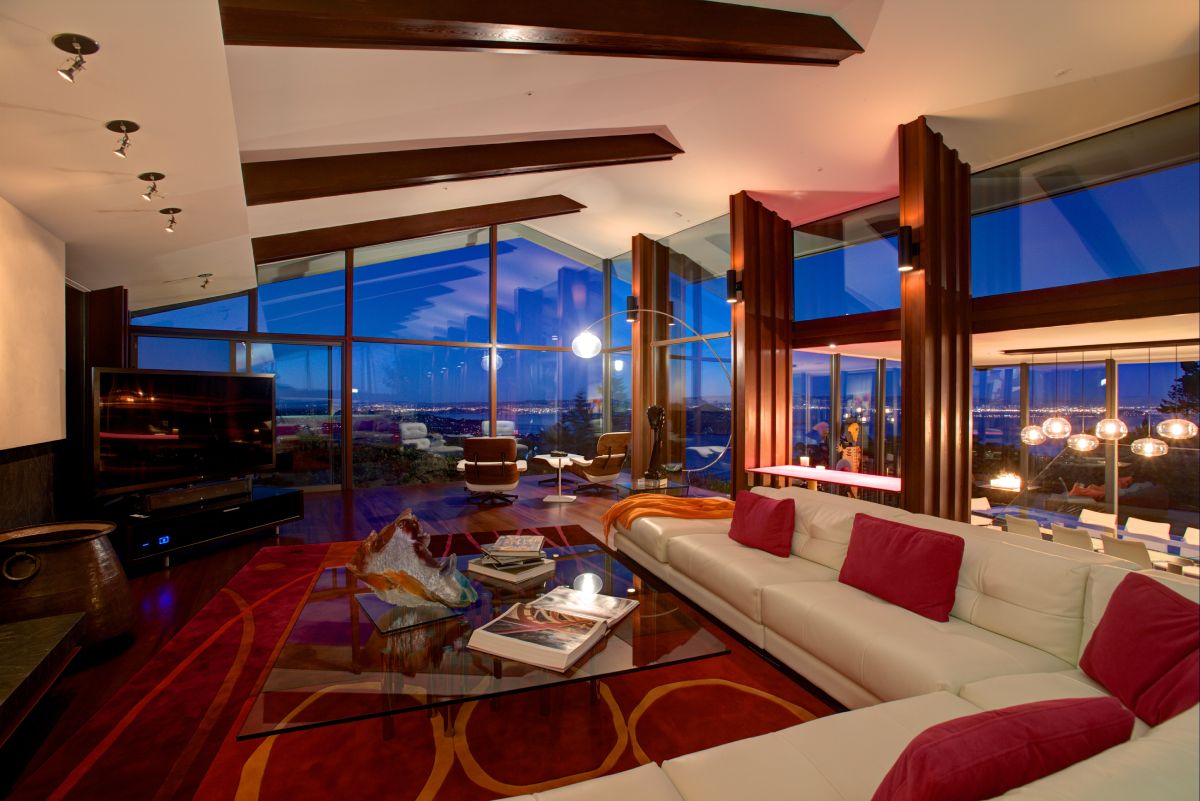
On my Lamborghini Living project, I tilted the new roofline upward specifically to grab that reflected light and pull it deep into the main living area. That is something you learn from spending years watching how light moves through homes in this town.
Sausalito is also a small town. People know their neighbors, they pay attention to what gets built nearby, and they have opinions about how the hillside should look. What I have seen over time is that neighbor engagement works best when it happens early, before anything reaches a formal hearing. I walk adjacent properties, photograph sightlines from their windows, and study how the proposed design affects their views.
I do not want to upset people. The neighbor you push back on today might be a client tomorrow. But at the end, I am designing for my client, and my job is to find ways to make what they want work within the system.
Design review in Sausalito is thorough. The board cares about massing, materials, and how a project relates to the hillside. There is subjectivity in the rules, and in my experience, preparation is what turns that subjectivity in your favor. I push the limits of what is possible and look for where the bounds can be extended, but I do it with documentation and clarity.
Around here, about 80% of the housing stock has not been updated. Most homes were built in the 1950s through 1970s, with layouts that do not take advantage of views or natural light. Sausalito home design today is largely about reinventing these older properties. The demographics are shifting too.
Younger buyers are moving in, purchasing homes that were once considered modest and bringing design ambitions that call for a different kind of architecture.
Projects That Show What Working Here Looks Like
Reinventing a Home Without Tearing It Down
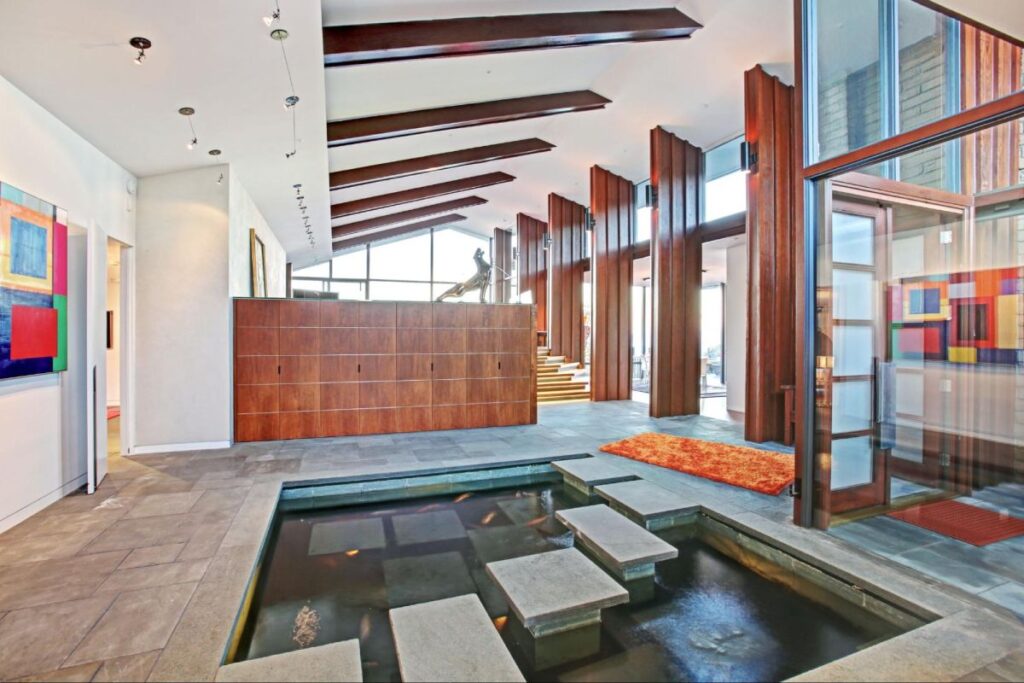
The Lamborghini Living project was a Sausalito remodel with excellent bones but dated, cluttered interiors that blocked the Bay views. The building was solid, so the challenge was how far we could push the reinvention without touching the structure.
We removed the old solarium, introduced a roofline designed to capture Bay-reflected light, and pulled the former deck into the interior behind sliding glass. The kitchen island became a sculptural piece shaped from steel, inspired by the owners’ Lamborghini, built in collaboration with a local metal artist.
Timothy Vinson of Building Alchemy, who has worked with me on numerous Sausalito projects, described it this way:
“His designs are always my favorites, because not only are they brilliant, but they are also meticulously detailed…”
Coming from a builder with 40 years in this market, that means a lot.
Designing on One of Sausalito’s Most Sensitive Sites
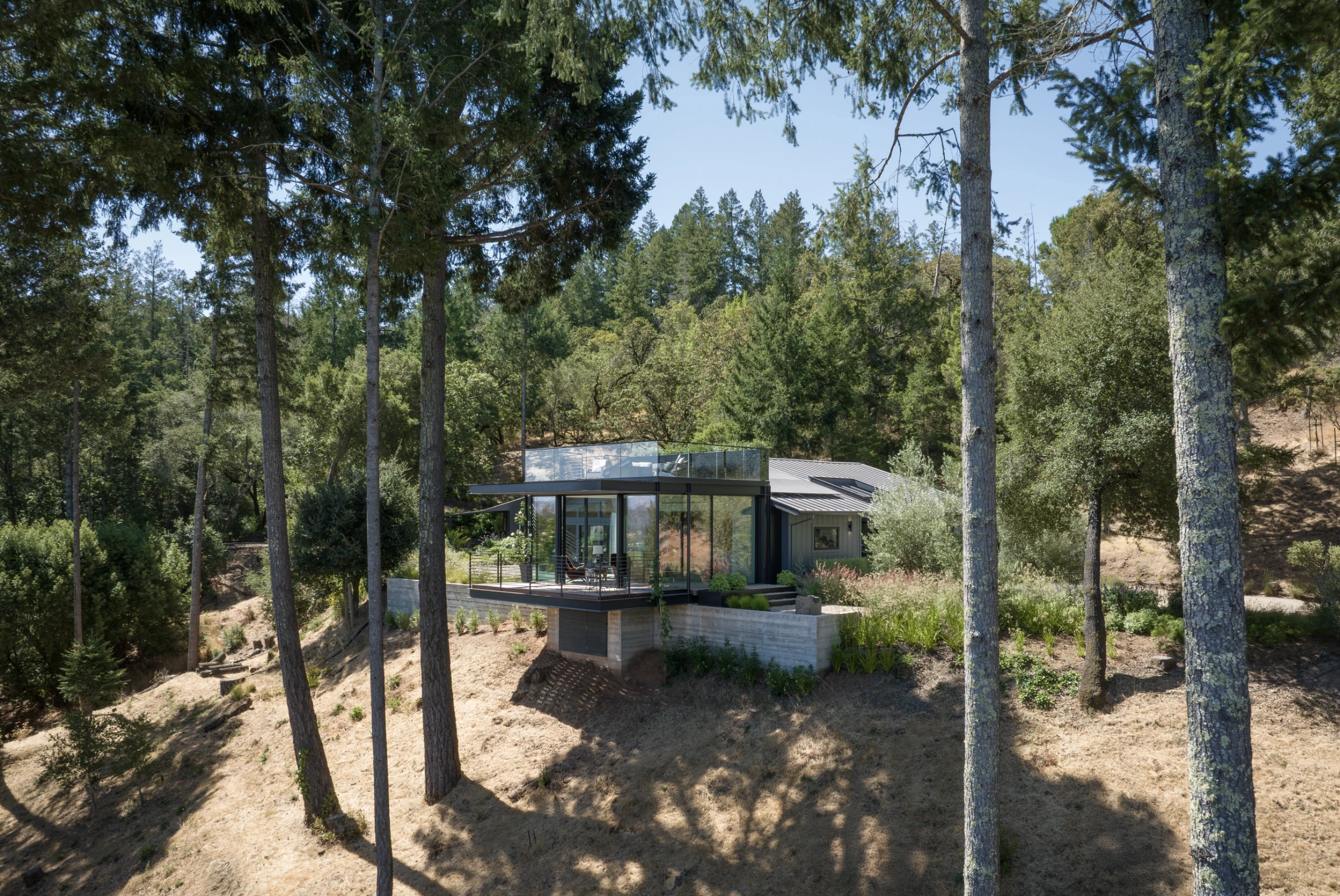
On Wolfback Ridge, we designed a ground-up home directly adjacent to the Marin Headlands National Park. The property was visible from hiking trails and the Golden Gate Bridge, overlaid with three different zoning and deed restrictions. The initial community reaction was that no home could be built there.
My first meeting was with the National Park Service. I sat down and simply asked, “What are your concerns?” The home sinks its lower floor into the ridge, reducing visible mass to 3,500 square feet of an 8,000-square-foot home. The materials draw from the Headlands’ exposed bedrock and weathered military structures.
Riley Hurd, a local land use attorney, described the approach as a:
“Detailed command of the nuances of the local zoning ordinances combined with a rather groundbreaking design aesthetic that still has a sense of place.”
That balance is what makes Sausalito architecture work.
How Design Review Works in Sausalito
Design review in Sausalito reflects the community’s investment in how the town looks and feels. In my experience, it rewards architects who show up prepared. My approach is to meet with planning staff before I submit, walk neighboring properties, photograph sightlines, and build responses to likely objections directly into the plans.
When the drawings are thorough and the narrative makes sense, the approval tends to follow.
I have maintained a 100% approval record in Sausalito, across Marin County, and in San Francisco for over 25 years.
That is the result of preparation.
One project that illustrates the neighbor dynamic well involved a client whose next-door neighbor was tearing down and rebuilding. Through careful mediation and two redesigns, we reached a result that preserved her views while allowing the neighbor’s project to move forward.
That is how these things tend to go in Sausalito. It takes patience, clear communication, and a Sausalito residential architect who understands both sides.
What I Bring to a Sausalito Project
I am a Sausalito architect and a licensed builder. That combination shapes how I approach every project here, and it is worth spelling out what that means in practice.
- Every design decision is grounded in how it will actually be built, on these specific sites, with these specific constraints. I do not design something and hope the builder figures it out.
- My construction sets run 50 to 60 pages, substantially more than the industry norm. Erick Juarez of MCL Construction described working from my plans this way: “As a general contractor, I appreciate their exceptional communication skills, meticulous attention to detail, and ability to bring complex, custom designs to life.”
- You work directly with me through every phase of design, permitting, and construction documentation. There are no handoffs and no layers between us.
- I know the streets, the staging challenges, the planners, and the neighbors. This is not a market I visit. It is where I live and work every day.
Roxie Baker, an Engel & Völkers realtor who is herself a Sausalito homeowner and client, hired me for an ADU on her own property. The result was triple the passive income she originally anticipated. She has since brought me in as a consultant for multiple real estate clients and described working with me as working with a:
“Code, variance, and permit ninja, a planning-department whisperer.”
I chose Sausalito and the Bay Area deliberately, because modern architecture requires both cultural openness and financial capacity, and this area concentrates both.
Ready to Talk About Your Sausalito Property?
If you own a home in Sausalito or you are looking at a property here, I would be glad to walk through what is possible. Schedule a consultation and we can look at the site, the conditions, and the right approach for what you want to do.
Whether it is a remodel of an older home, a ground-up build on a complicated lot, or an ADU that makes the most of a tight space, this is the work I do every day, in the town I know best.
Schedule a consultation with Scott.
Frequently Asked Questions
What does design review in Sausalito involve, and how long does it take?
Design review in Sausalito evaluates how a project relates to its site, neighbors, and the surrounding hillside. Timelines vary depending on the project’s complexity and whether neighbor concerns need to be addressed, but with thorough preparation and early engagement, the process typically moves more efficiently than most homeowners expect.
How do hillside construction logistics affect project timelines?
Steep terrain, narrow roads, and limited staging areas are standard conditions in Sausalito. When these logistics are accounted for in the design and construction documents from the start, they become manageable conditions rather than sources of delay.
Are older Sausalito homes better candidates for remodel or rebuild?
It depends on the structure and what you want to achieve. Many older Sausalito homes have solid construction but outdated layouts, which makes them strong candidates for remodel. In some cases, neighborhood realities make remodel approvals more viable than ground-up construction. You can read more about that decision in my article on Marin County architecture.
What role do neighbors play in the Sausalito approval process?
Neighbors are notified about projects, and their concerns can influence design review outcomes. In my experience, early engagement and resolving concerns before the formal hearing is the most effective approach. It tends to produce better outcomes for everyone involved.
Do ADU projects in Sausalito have specific requirements?
ADU regulations follow state guidelines but are applied within the context of local site conditions, including hillside setbacks, access, and parking. A Sausalito architect familiar with local planning staff and the town’s specific challenges can navigate these requirements more smoothly.