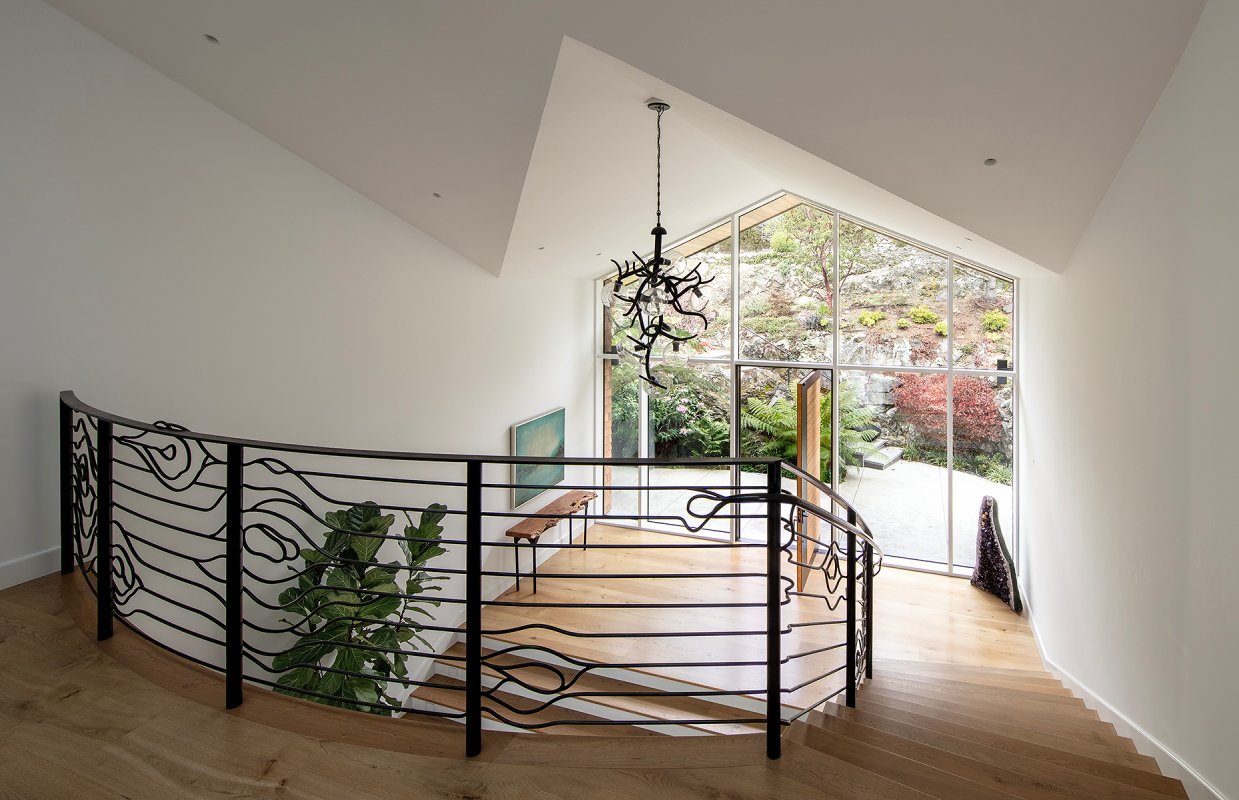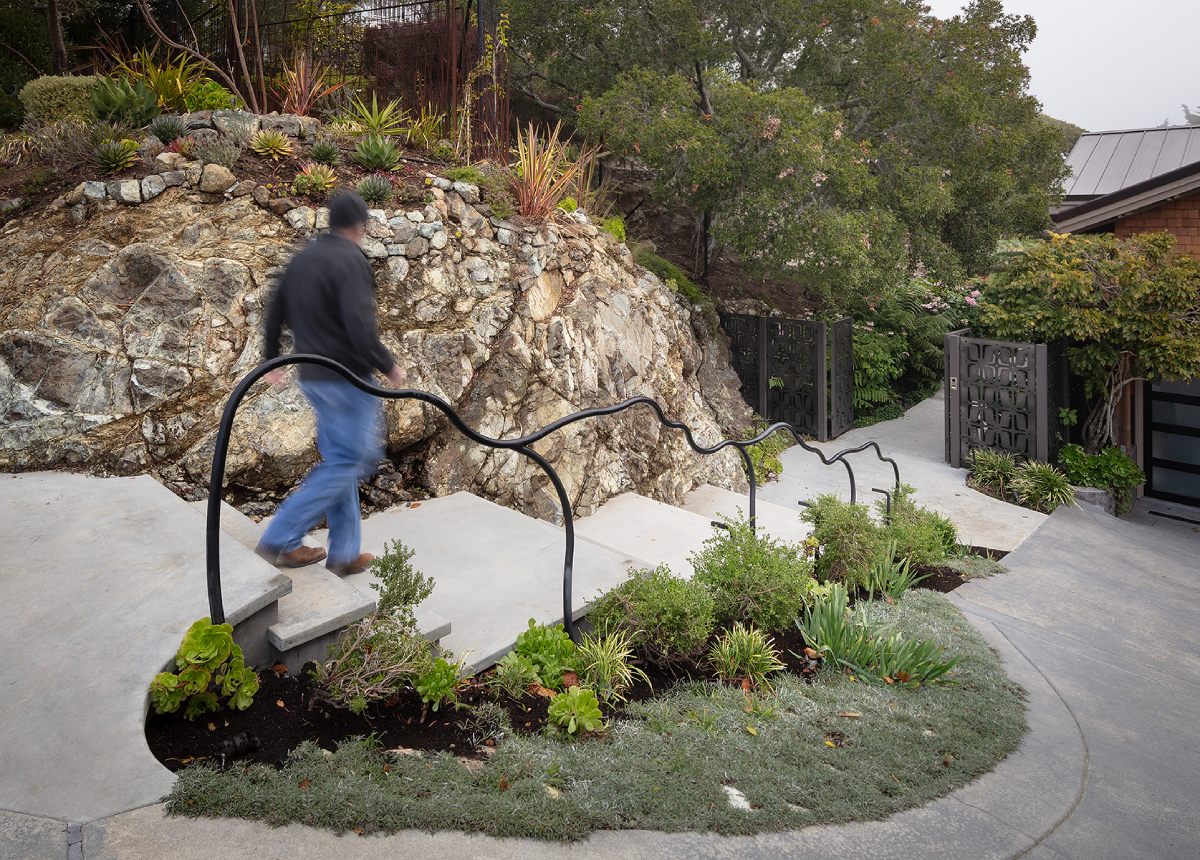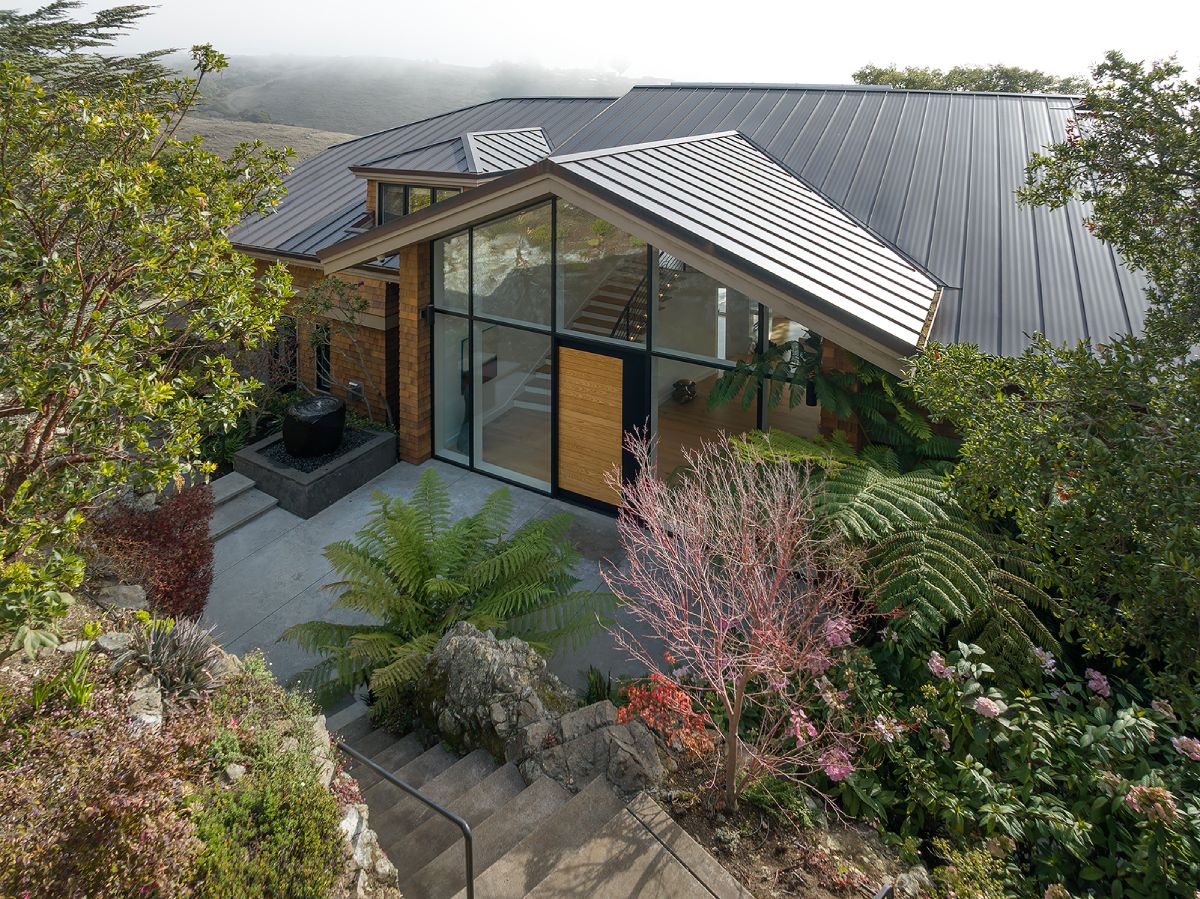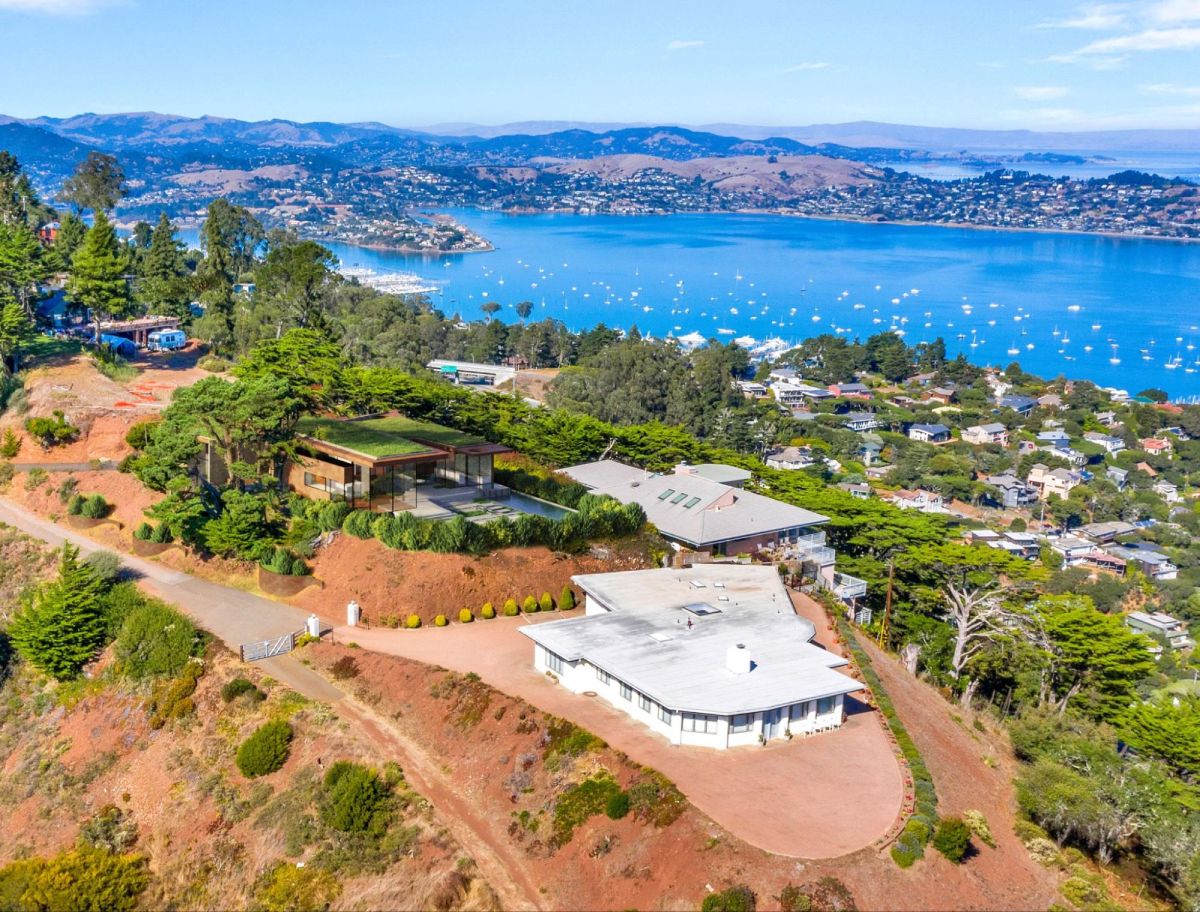
One of the things that becomes clear pretty quickly when you work across Marin County is that it is not one place. Sausalito, Tiburon, Mill Valley, Belvedere, Corte Madera. Each town has its own terrain, its own review process, its own neighbourhood character, and its own way of interpreting the same zoning code.
A residential architect in Marin County encountering these conditions for the first time reads a site one way. Someone who has been working across all of these municipalities for over 25 years reads it very differently.
I have been designing and building homes here since the late 1990s. Studio Couture is based in Sausalito, and our projects span every town in the county and into San Francisco.
What I have learned over that time is that local experience is what keeps projects moving forward. It is knowing which planner to meet before you submit, which neighbour concerns come up on a particular street, and which design moves consistently clear review in one town but draw questions in another.
That is what working with a Marin County architect who has been here for decades actually looks like.
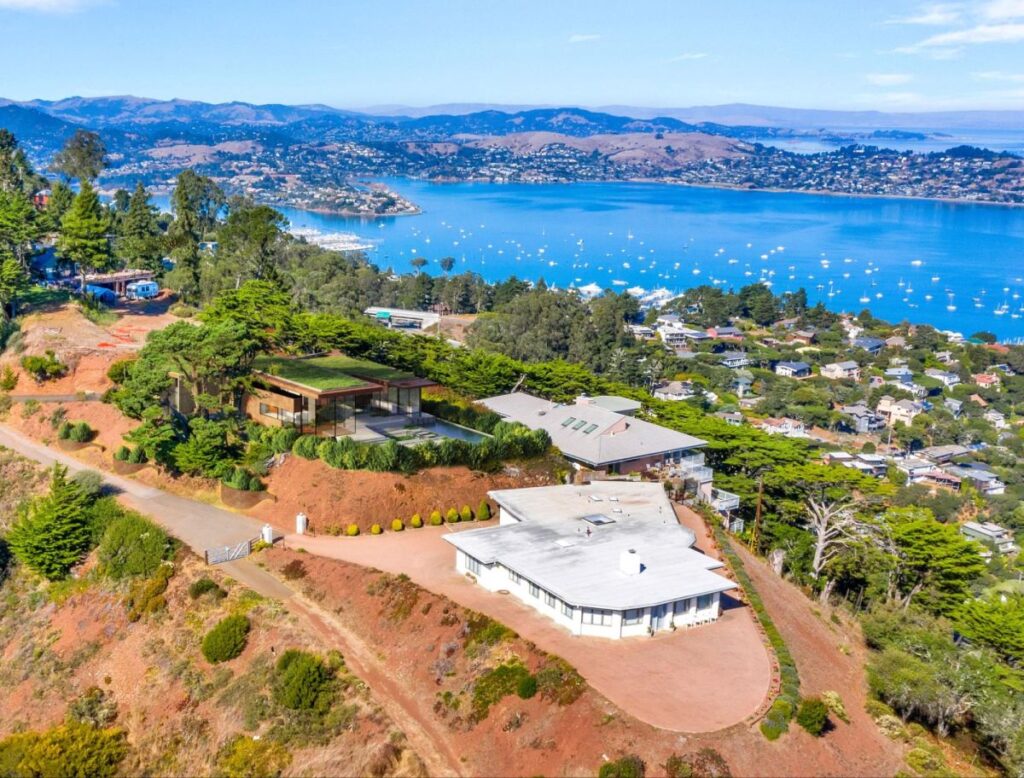
What Makes Marin County Architecture Different
Marin sits between the Pacific and San Francisco Bay, and residential projects here reflect that geography. Steep hillsides, narrow roads, mature tree canopy, waterfront lots, and views from the Golden Gate Bridge to Mount Tamalpais.
In my experience, three things define the work.
- The terrain, because most Marin lots slope and every structural decision has consequences for access, drainage, and neighbor impact.
- The review process, because every municipality has its own planning department and its own interpretation of height limits, setbacks, and massing guidelines.
- And the neighborhoods, because Marin is full of close-knit communities where neighbors pay attention to what is being built next door.
These are the conditions of working here. When they are understood from the start, the design, approval, and construction process all tend to move more smoothly.
Town by Town: What Local Knowledge Looks Like in Practice
The same zoning code gets interpreted differently depending on which town you are in. This is why choosing a Marin County architect with project history across the region matters
Sausalito
This is home base for Studio Couture, and it is where I have the deepest roots. Sausalito is defined by dense hillside neighborhoods with narrow roads, limited staging, and homes built close together. Design review traditions are strong, and neighbor concerns are part of almost every project.
One design factor people do not always expect is the light that reflects off the Bay. On the Lamborghini Living project, we tilted the roofline specifically to capture that reflected light and bring it deep into the living space. That kind of move comes from years of watching how light works in this particular town.
The Wolfback Ridge project is another example. An 8,000 square foot home on one of the most visible ridge line sites in Sausalito, adjacent to the Marin Headlands National Park. By sinking the lower floor into the ridge and shaping the form to echo the local landscape, we received approval from both the National Park Service and the City.
Roxie Baker of Engel and Volkers, who describes me as a code, variance, and permit ninja with deep Marin roots, hired me for an ADU on her own property on this same ridge. The design enhancements resulted in triple the passive income she had anticipated, and she has since brought me in as a consultant for multiple clients.
Tiburon
In Tiburon, the defining condition is views. Raccoon Straits, the Golden Gate Bridge, the San Francisco skyline. The Design Review Board focuses on massing, neighborhood compatibility, and view preservation.
What I have seen over time is that the most valuable homes on Tiburon’s hillside lots achieve one-level living: garage, primary suite, and main living area all on one floor, with full access to views. That is the premium buyers look for, and it takes careful site work to achieve.
On one project, a one-acre upslope parcel had sat undeveloped because no one could solve the access. We designed a sweeping driveway that worked with the terrain and built a home around one-level living with panoramic views. The DRB initially questioned the massing, but over several meetings we demonstrated it met the guidelines. Unanimous approval. The home was later sold for $11.8 million.
The full story is in our Tiburon architect article.
Mill Valley
Mill Valley has a different character from the exposed hillsides of Sausalito and Tiburon. Mature tree canopy, wooded lots, and fire risk considerations shape what you can do on a site. Tree preservation requirements mean the design tends to work with and around the trees rather than maximizing open views.
Access and staging on narrow wooded roads have to be thought through as part of the design, not discovered once construction starts.
Belvedere
Belvedere is a small town with waterfront and lagoon-side properties, strict setbacks, and tight height limits. The expectations for design quality are very high, and the review process rewards thorough preparation. In my experience, Belvedere projects move forward when the drawings tell a complete story: full sightline studies, shadow analysis, and a clear explanation of how the design relates to adjacent properties.
Corte Madera
Corte Madera offers flatter terrain and more accessible lots, which changes the constraints. The hillside challenges of other Marin towns are less of a factor, and the building process tends to be more straightforward logistically.
Permitting still requires attention, and the zoning considerations differ from the hillside municipalities. One of the first projects that brought me into Marin was in Corte Madera, working through a complex approval with significant neighbor opposition.
That experience set the tone for how I have approached difficult approvals ever since.
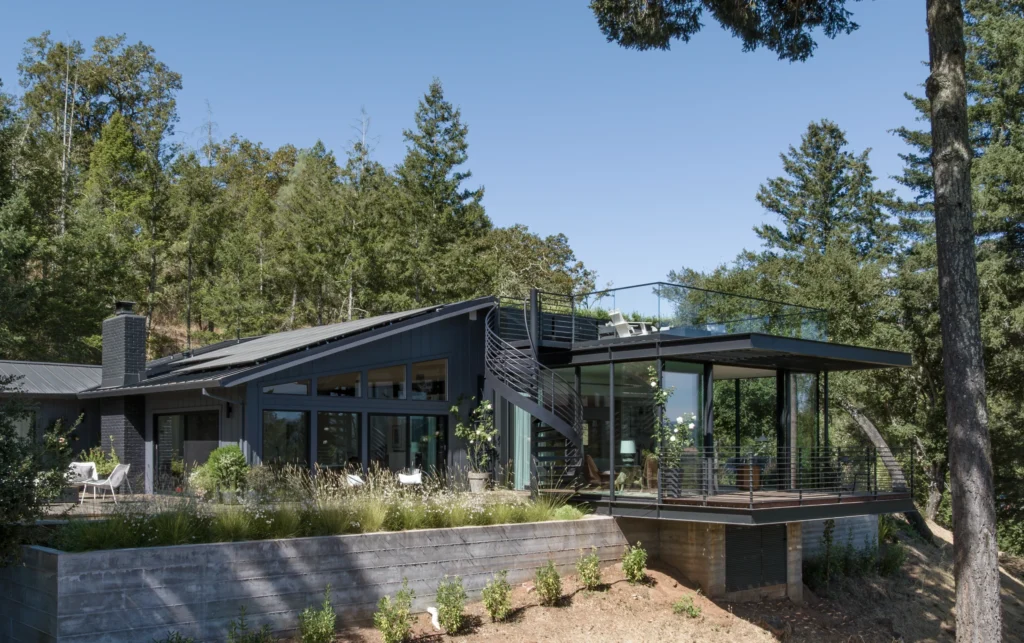
Working with Real Estate Agents
A significant part of my Marin work comes from real estate agents who need a Marin County architecture firm they can call before or after a sale. The question is usually: what can actually be built on this lot? For properties with deed restrictions, easements, or proximity to open space, the answer is not always obvious.
Allison Salzer at Compass has been referring clients to me since 2017, starting with a vacant lot that had multiple easements, deed restrictions, and political complexity around open space. She has since turned to me as a consultant for lot listings and frequently recommends me to clients searching for an architect.
She noted that my work goes beyond design, that I review title reports and navigate building department processes to make sure designs are set up for approval from the start. For agents, that kind of pre-purchase consultation protects their clients and builds confidence in the properties they represent.
What I Bring to a Marin County Project
I chose to build my practice in the Bay Area deliberately. Modern architecture requires both cultural openness and financial capacity, and that overlap concentrates in a few regions.
Marin is one of them. Steep sites, complex codes, and high land values create barriers that reward experience, and that is what has shaped my work as a Marin County architect for over 25 years.
When you work with Studio Couture, you work directly with me. Here is what that means in practice:
- I am the principal architect and a licensed contractor. Every drawing reflects both design intent and construction logic, with no handoffs between design and production.
- My plans average 50 to 60 pages, compared to the industry norm of 10 to 15. They anticipate city corrections, neighbor objections, and contractor questions before those conversations happen.
- I have never had a project denied in over 25 years of submitting to planning departments and design review boards across Marin County and San Francisco. That comes from understanding how each town’s process works and designing around those conditions from the beginning.
I design for my clients. That is the starting point. I figure out what they want, find ways to make it work within the conditions of their specific site and town, and present the design so that approval is the logical outcome.
I do not want to upset anyone along the way. Neighbors might be future clients. But the home I am designing is for the person who hired me.
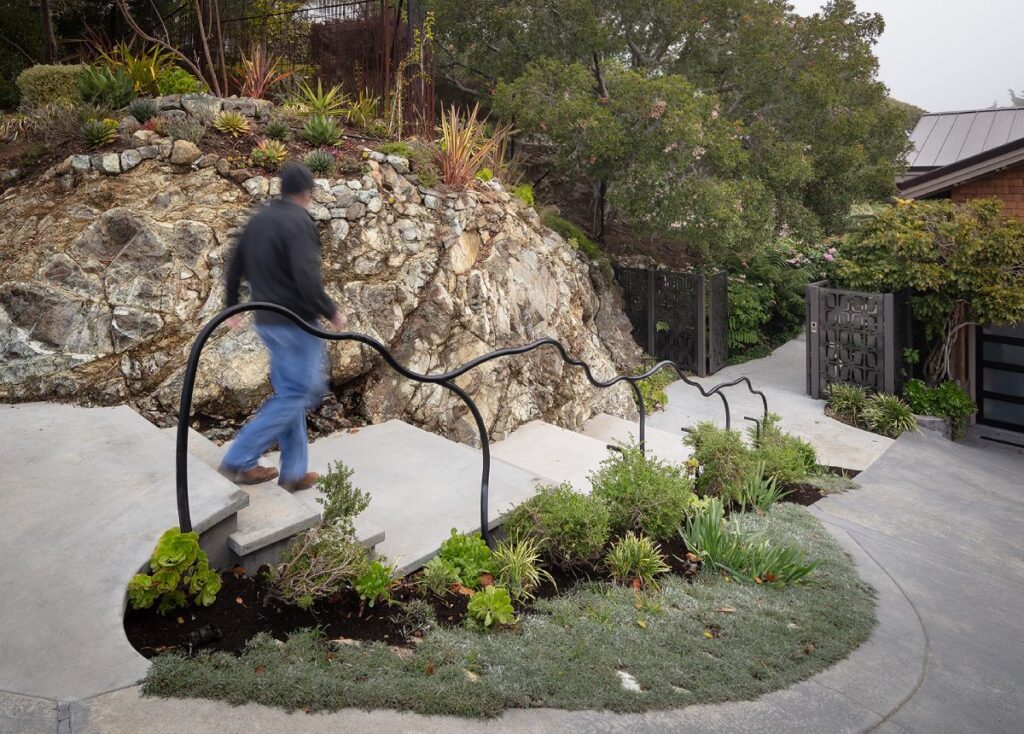
Next Step
If you are looking for a Marin County architect, whether you own property here already or are considering a purchase and want to understand what is possible on a specific site, schedule a consultation.
I am happy to walk the property with you and talk through the conditions, the process, and the right approach for your project.
Schedule a consultation with Scott.
Frequently Asked Questions
Do I need an architect who specifically knows my town in Marin County?
It makes a real difference. Each Marin municipality has its own design review process, its own interpretation of zoning guidelines, and its own neighborhood dynamics. A residential architect in Marin County who has worked across these towns for decades knows the specific conditions that shape approvals in your area.
How does the permitting process differ across Marin County municipalities?
The codes share a common framework, but the way they are applied varies. Some towns prioritize early consultation with planning staff, others rely on formal hearings. The view preservation concerns in Tiburon are different from the tree and fire considerations in Mill Valley. A Sausalito, Tiburon, or Mill Valley architect who has worked in every jurisdiction can navigate these differences efficiently.
Should a real estate agent involve an architect before a property purchase?
For hillside lots, properties with deed restrictions, or sites near open space, yes. A Marin architect near me who understands zoning and site constraints can help determine what is actually buildable before a client commits. Several Marin real estate agents bring me in at this stage regularly.
What does a 100% approval record across 25 years actually mean?
It means that in over 25 years of submitting to design review boards across Marin County and San Francisco, I have never had a project denied. That comes from understanding each town’s process, preparing thoroughly, and resolving likely objections before they reach the hearing room.
How do hillside conditions in Marin affect the design and build process?
Steep terrain affects everything from foundation design to construction staging to how light enters the home. Hillside sites also come with height limits, setback requirements, and neighbour sightline considerations that differ from flat lots. Working with a Belvedere architect or any Marin architect with extensive hillside experience means those conditions are built into the design from the start.