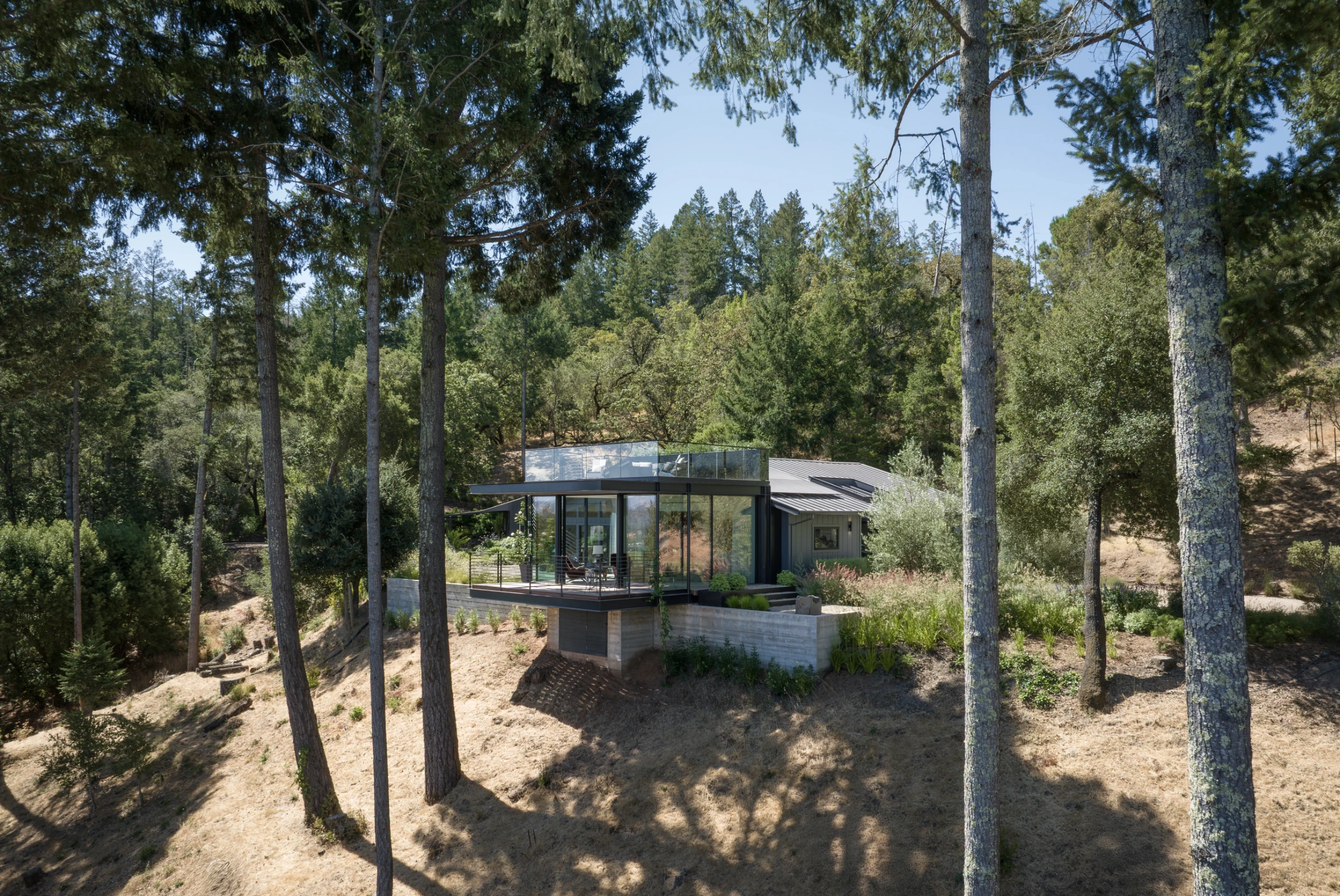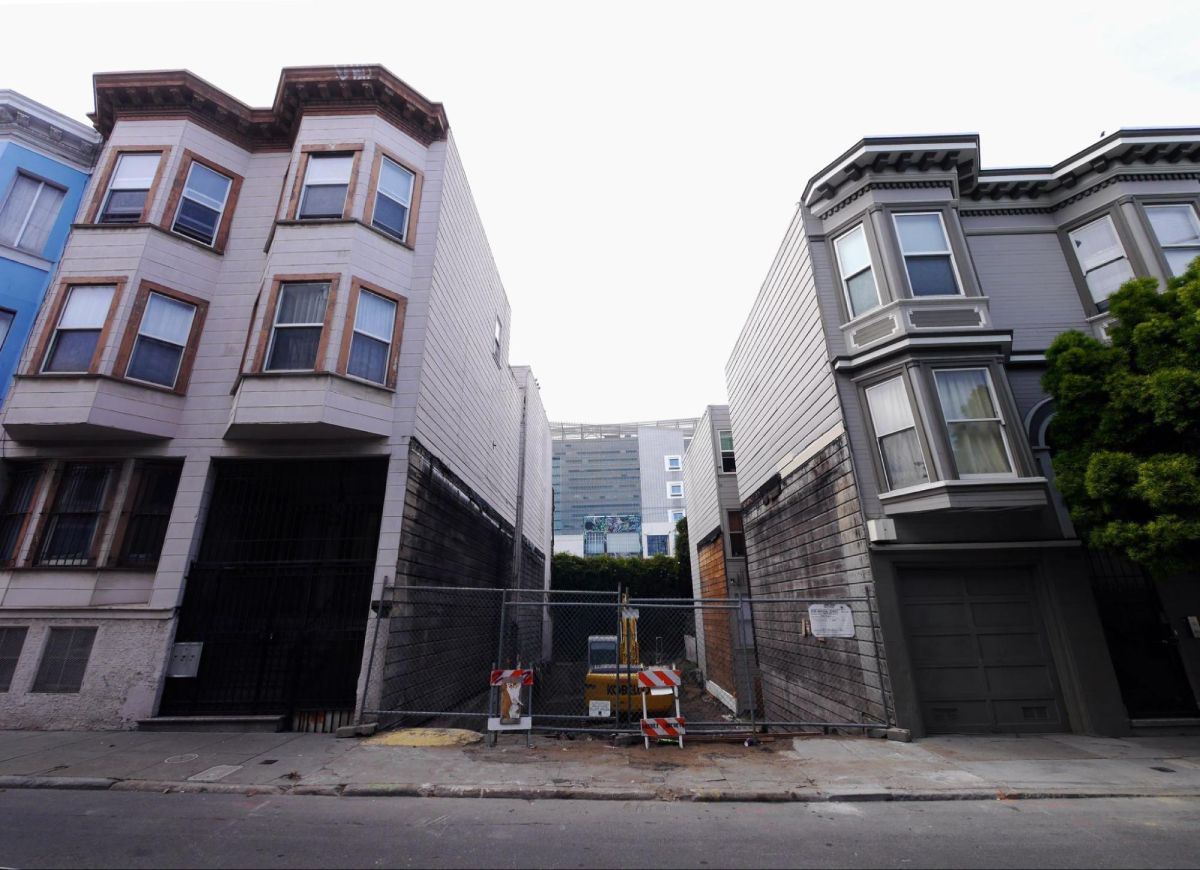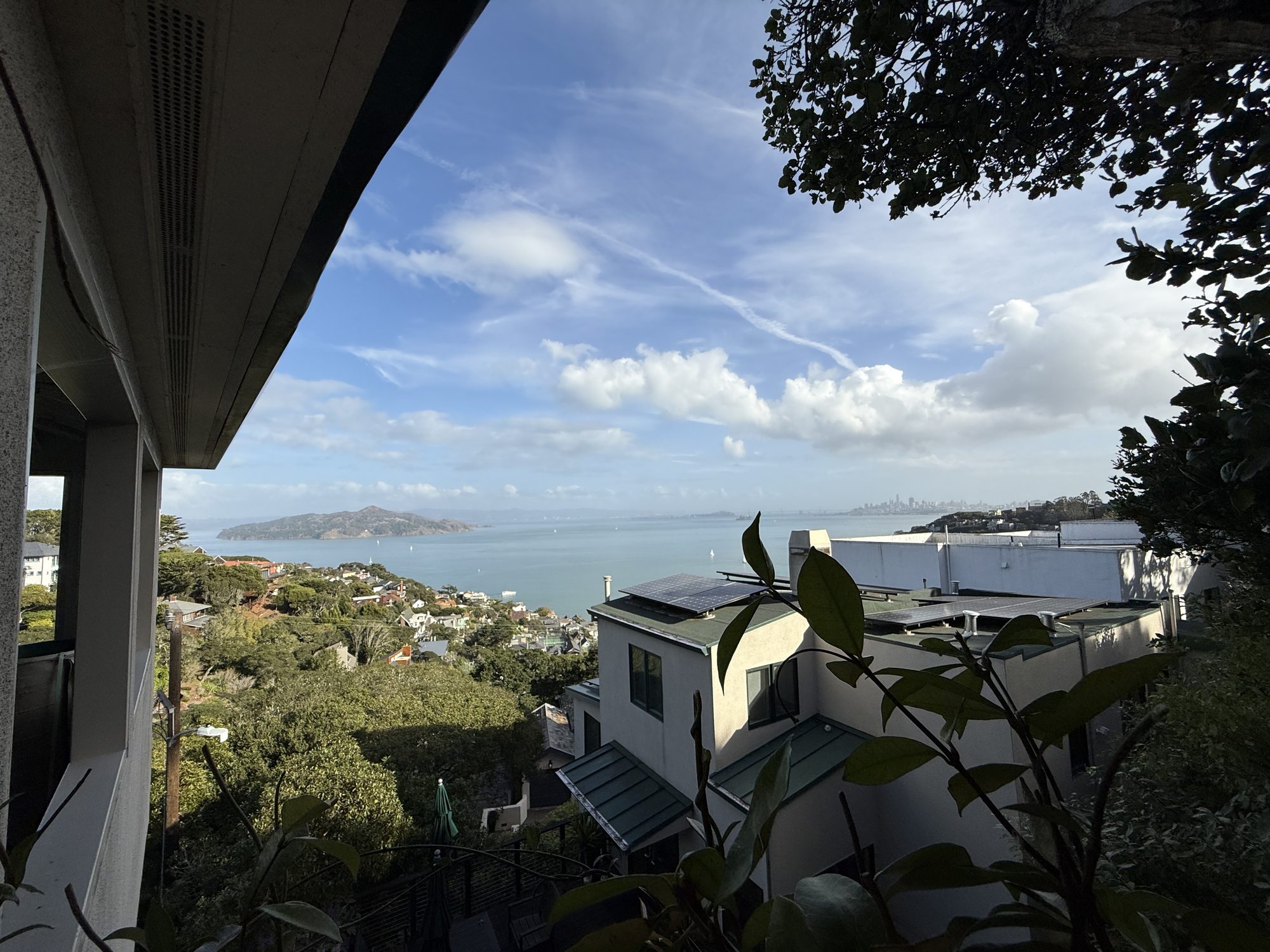
My clients wanted to stay in their Sausalito home of 30 years. Their idea was a small studio in the space under their garage, which stands three stories tall on a steep lot. That was too tall to be an ADU. As an SB 9 unit, it was approved ministerially, without design review.
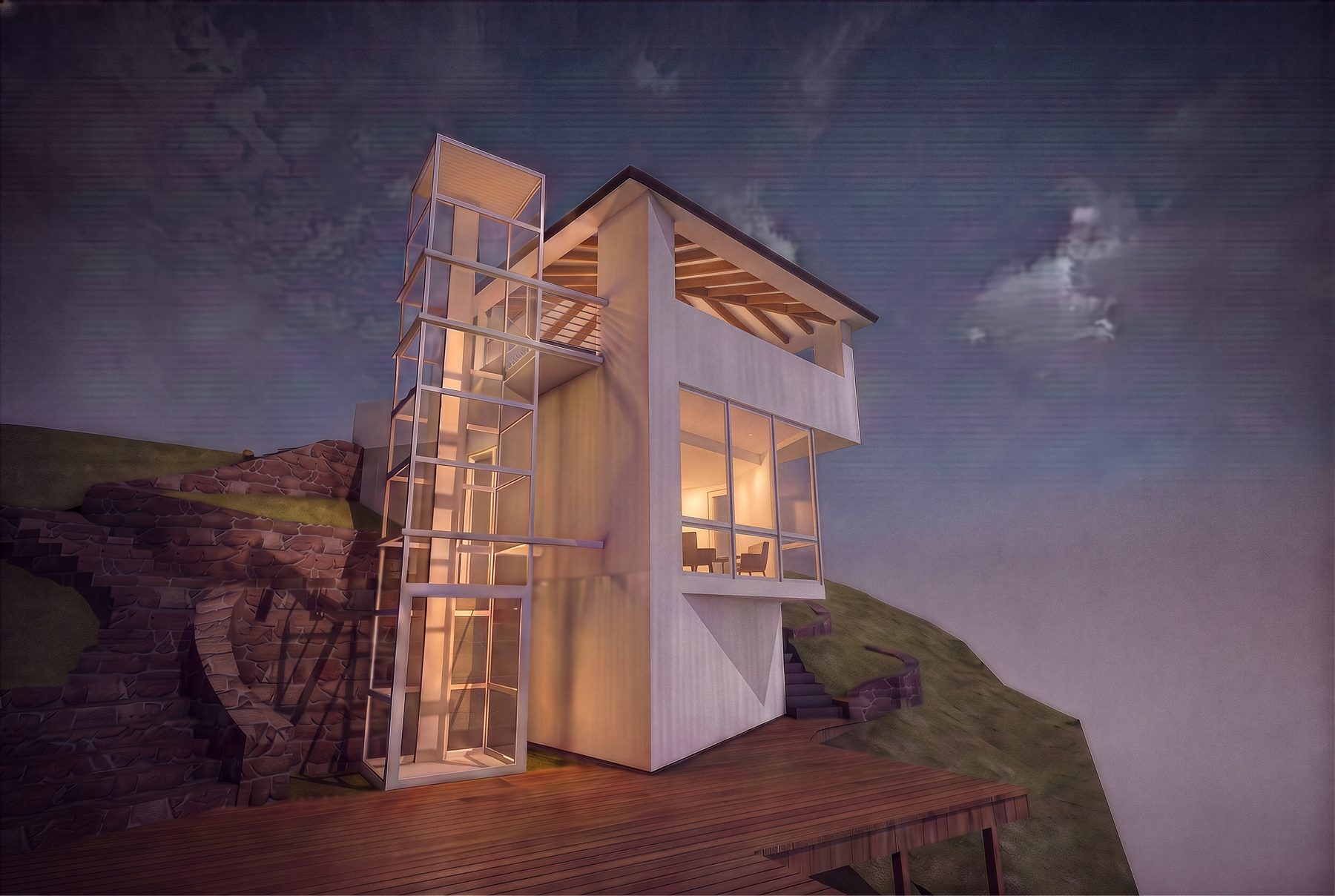
What my clients wanted
My clients have lived in the same Sausalito home for 30 years, and they wanted to stay. To age in place, both physically and financially, they wanted a second unit on the property: a studio of about 385 square feet.
The constraint
The lot is so steep that the garage sits on top, at the street, and by the time its foundation reaches the ground on the downhill side, the structure is three stories tall. The studio would fill the space underneath the garage. The property was tiny, highly restricted, and already well over every zoning limit for floor area, lot coverage and height. An ADU can only be 16 feet tall, so a studio inside a three-story structure could not be one, and the city zoning ordinance would not allow a second unit either.
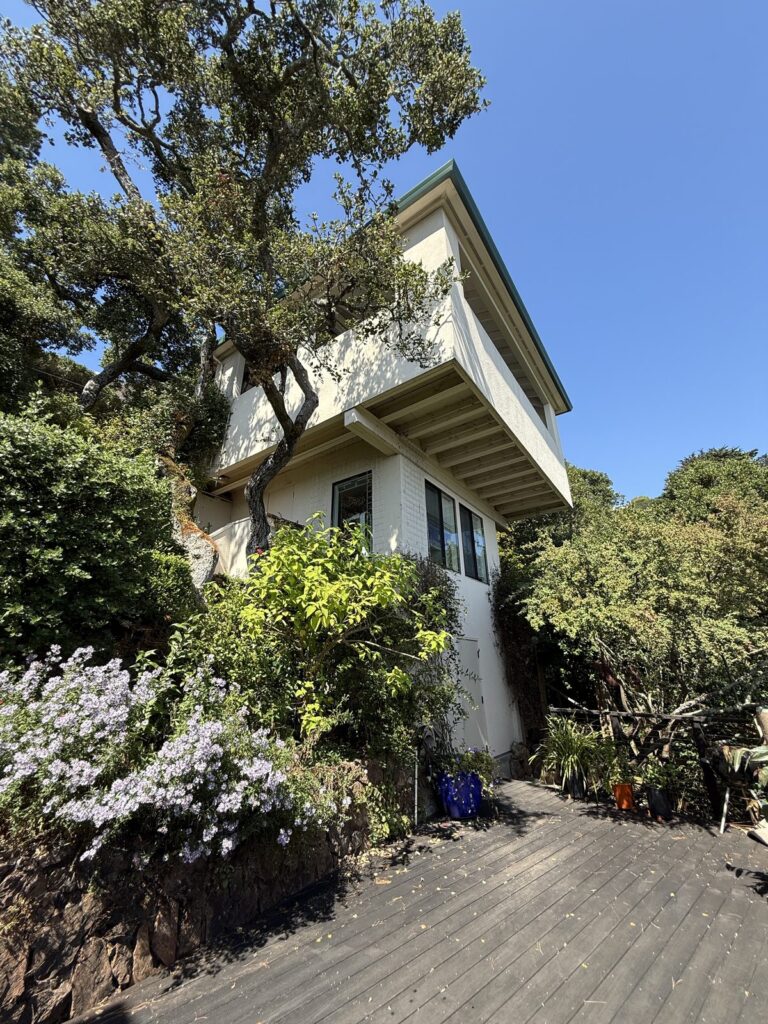
How I handled it
Here is where state law SB 9 can be used to remove restrictions. In practice, an SB 9 unit and an ADU can be the same thing: a small home on the property. In code, they are very different. An ADU is an accessory structure, kept small and generally one story. An SB 9 unit is a main house in its own right, so it follows the zoning district’s height and size limits, not the ADU’s 16 feet. The state wrote SB 9 to promote second homes on single-family lots, and it limits the city’s ability to place restrictions on the property.
| The zoning ordinance and ADU laws | SB 9 | |
|---|---|---|
| Parking | The second unit could not meet the parking rules | A city can require no more than one parking space per unit |
| Height | An ADU can only be 16 feet tall, and the studio sits in a three-story structure | An SB 9 unit is a main house and follows the zoning district’s height limits |
| Floor area and lot coverage | The lot was already over its limits | A city cannot apply zoning limits that would physically prevent a second unit of at least 800 square feet |
On a lot already over every limit, a clever use of SB 9 is what made the studio possible. We designed it to the SB 9 standards and worked with the city for two to three months until they agreed with our interpretation. Two weeks later, it was approved ministerially: planning staff checked the application against written, objective standards, with no hearing, no neighbor comments and no required changes.
A qualifying SB 9 unit can bring the whole project onto the ministerial path, main house included. On this project, the city agreed in writing.
The result
A studio of about 385 square feet, approved on a tiny lot that was already over every zoning limit, without design review. Permits and contractor pricing are under way now.
My clients now have an approved path to remain in their home of 30 years. That one still makes me smile.
Is this possible on your property?
Even a small lot that is over its zoning limits can have a path to a second unit, and an SB 9 unit is not held to an ADU’s 16 feet. It depends on the zoning, what already stands on the lot, historic mapping and any recent tenancy history, and coastal properties still answer to the Coastal Act. Where SB 9 is not an option, an ADU can be. A thorough parcel review answers these questions, ideally before anything is drawn.
Send me the address and your goals for the property and we can analyze it for the hidden value. You will get a preliminary parcel review: whether SB 9 or an ADU applies, roughly what a second unit could be, and which path best fits your project goals. If you are a broker with a listing like this one, send me the listing and we can uncover value to help boost the listing.
Send me the address. We’ll find the hidden value.
Send Scott the addressHow the ministerial path works