What I’ve seen over time is that most projects don’t lose momentum because of one big problem. They lose it because the architect finishes at permit approval, the contractor starts building, and the small questions that come up every week get answered by whoever happens to be on site.
That tends to be a structural gap in how information moves once construction begins, more than any failure of the people doing the work.
My approach is different, being a designer and a builder, I see how a home is designed and the way it is built, as a symbiotic relationship. Both aspects reinforce the importance of the other and when they are in sync, there is a harmony in both the process and the results. SImply, construction runs smoother and the results are better.
Staying involved through the build is a natural extension of the design work. In practice, this tends to mean fewer surprises, cleaner coordination, and a finished home that matches the design goals of our clients.
What Construction Oversight Involves
When clients ask me what this work actually includes, I describe it in terms of what happens during a normal construction week, not in terms of deliverables. The real work is in the rhythm of the project.
I’m generally on site about once a week, often more. Part of that is the standard architectural work: confirming construction is progressing properly, that the contractor’s invoicing matches what’s in place, and that quality meets the drawings. That part is fairly common across construction oversight services.
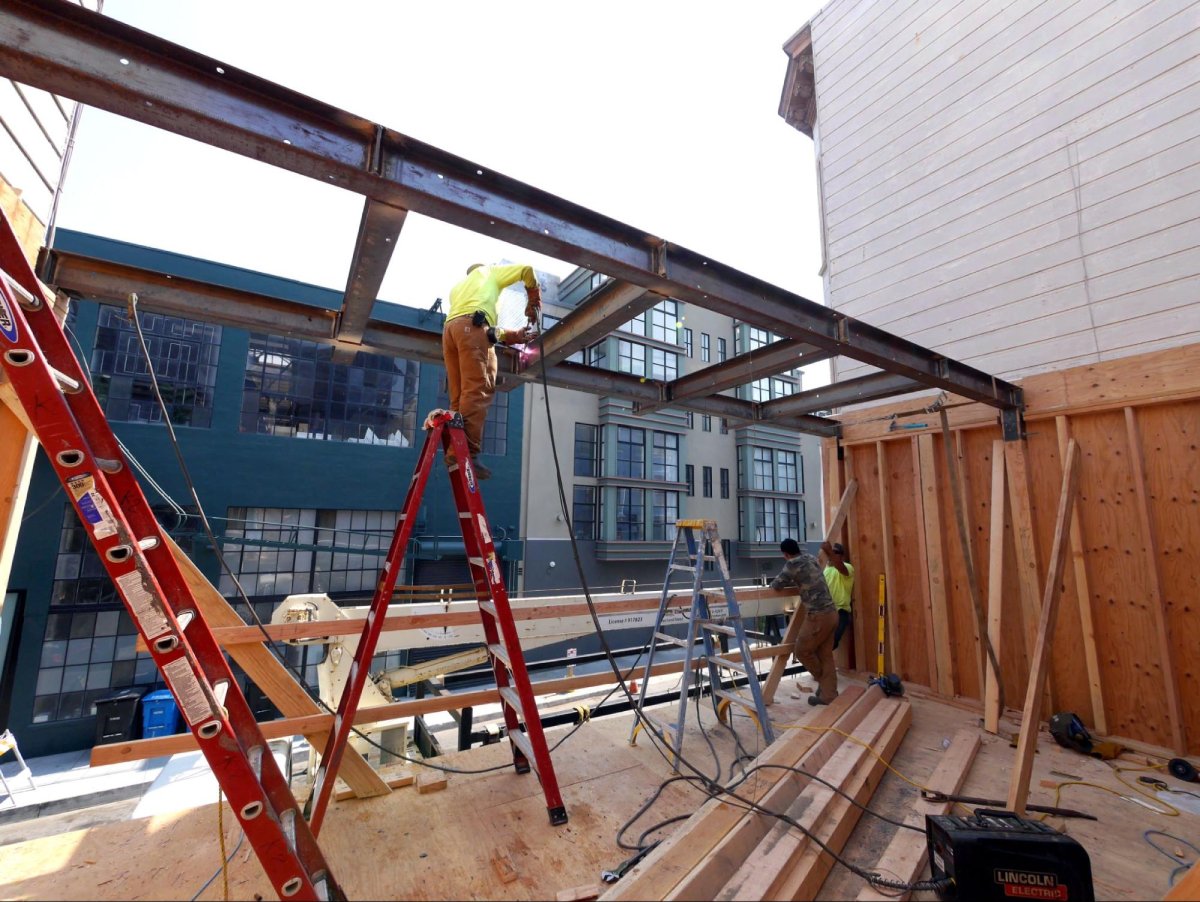
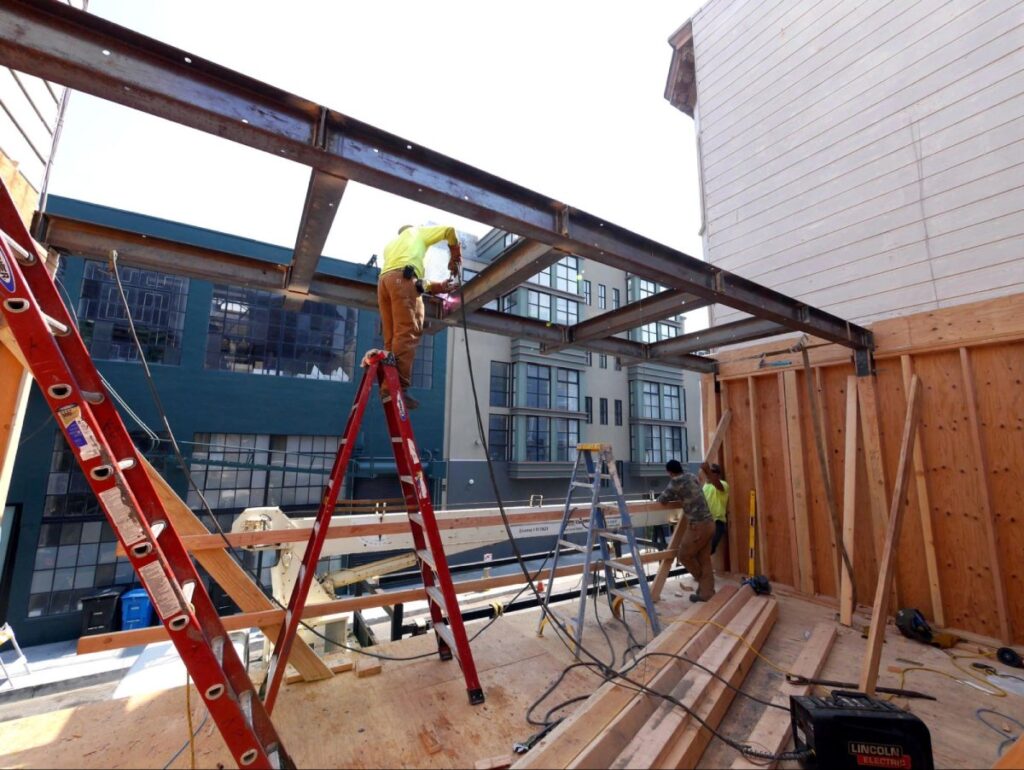
What I do beyond that is where the value tends to show up. Because I’m also a licensed contractor and have spent years welding, framing, and doing finish woodwork myself, I can read the construction setup well before the finish goes in.
Is the foundation corner sitting in the right spot?
Is the formwork shaped correctly on the inside and outside corners?
Is the framing heading in a direction where the wall, the tile, and the wood ceiling will all align cleanly months from now?
Modern architecture is finicky. Almost nothing gets covered up, which means the sub two or three steps before the finished detail has to be right. Walking the site weekly lets me see those conditions while they’re still easy to correct, and inform the contractor before something gets locked in.
That helps the contractor as much as the client. Going backwards on a build is costly, and a fix is never as clean as getting it right the first time.
Why the Architect Is the Right Person for This Role
A third-party construction manager who didn’t draw the plans is reading someone else’s work. They have to interpret the drawings before they can act on them. That’s a reasonable role on very large commercial projects, but on a custom home it tends to introduce a translation step that adds time and creates room for misunderstanding.
Being on site as principal also makes field decisions move quickly. When a call needs to happen, a change to a beam or a detail, I can stand there, take a photo, draw a sketch over it, sign it, and that’s the official record. Five minutes, no backup chain through a larger office.
On remodels especially, where opening a wall often reveals something the drawings couldn’t fully anticipate, the speed during the architect-construction phase that SF clients hire me for is what keeps the project from stalling. I think of contractors as partners; my job is to keep information moving so the people building the house can do their work without hesitation or guessing.
What Happens When Oversight Is Missing
When the architect steps away at permit approval, a few patterns tend to surface. Substitutions are usually the first. A material is back-ordered or a detail looks expensive in the field, the contractor proposes a swap, and the swap gets approved by whoever is closest to the decision. But if the substitution wasn’t evaluated against the design intent, a few months later, the finished room doesn’t feel quite right.
Unanswered questions are the second. When an RFI sits open, work doesn’t stop. The crew makes a reasonable assumption and keeps moving. Often, that assumption is fine. Sometimes it surfaces later as a section that needs to be opened back up, which adds time and cost.
Older San Francisco homes also reveal field conditions during demolition that the drawings couldn’t fully anticipate. With an architect available, those moments become small course corrections. Without one, they tend to become change orders, and the home as built can drift away from the home as permitted in small ways that the building inspector eventually notices.
Refining the Design While the House Is Being Built
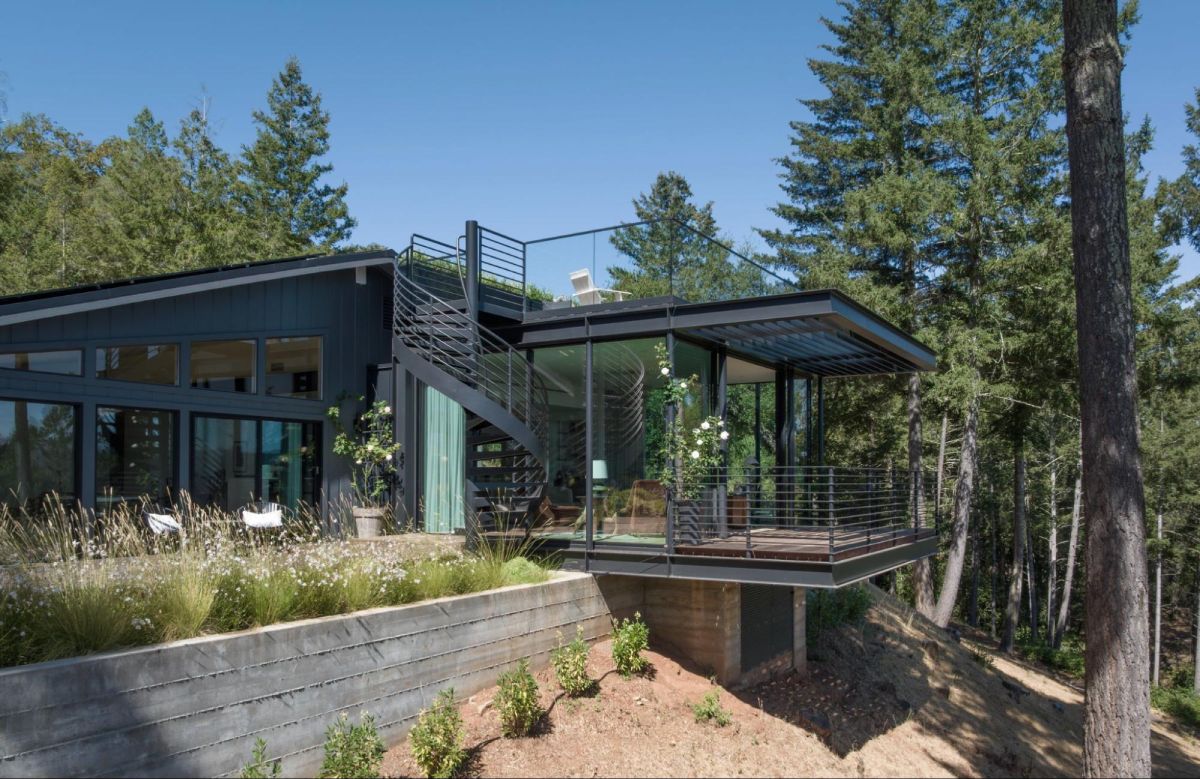
Some of the most useful site time happens on weekends, when no one else is there. Walking a project alone, with the framing in place and the views opening up, often reveals opportunities the 3D model couldn’t fully predict. View corridors are a good example.
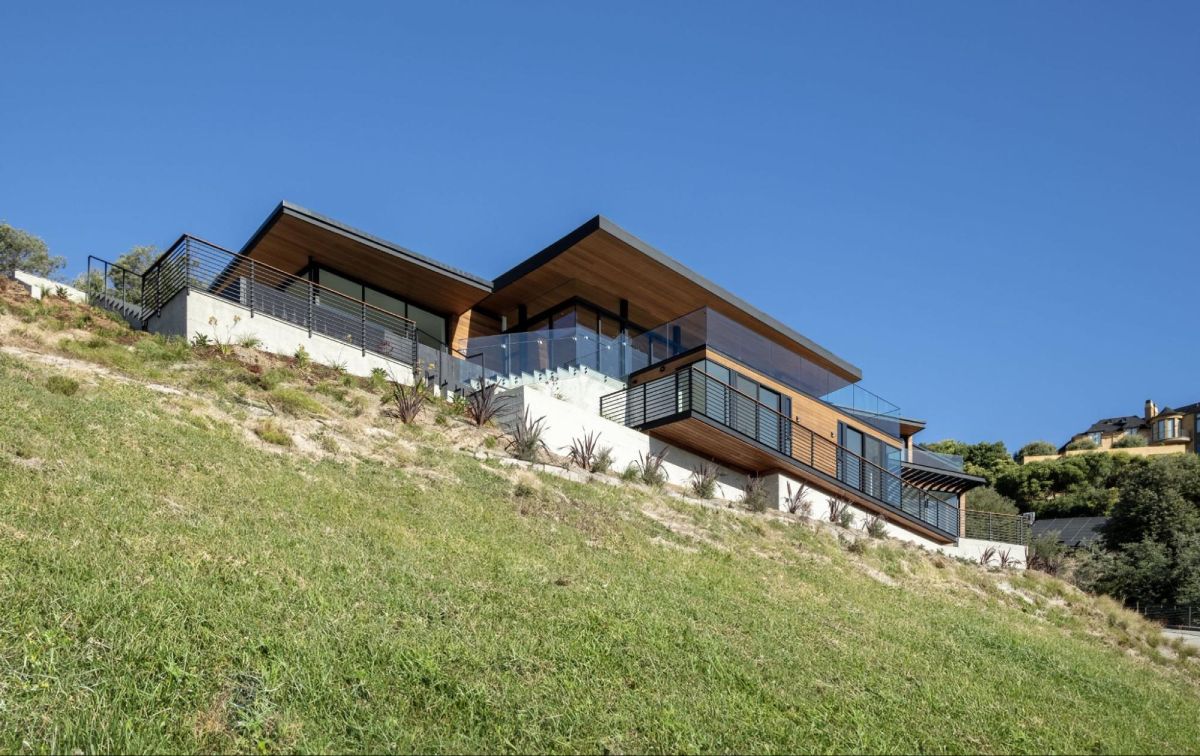
On complex hillside lots, the way the eye actually moves through a space is hard to anticipate before the structure is up. Once it is, small adjustments can refine what the finished home will feel like.
I also bring clients on-site as the foundation goes in and the framing takes shape. Standing in the actual rooms, with the actual proportions, tends to surface things drawings can’t communicate. It’s a design process that lets us improve the home as it’s being built without expensive and time consuming re-dos.
That kind of refinement is only possible because the design didn’t stop at the permit.
How This Works in Practice on a San Francisco Project
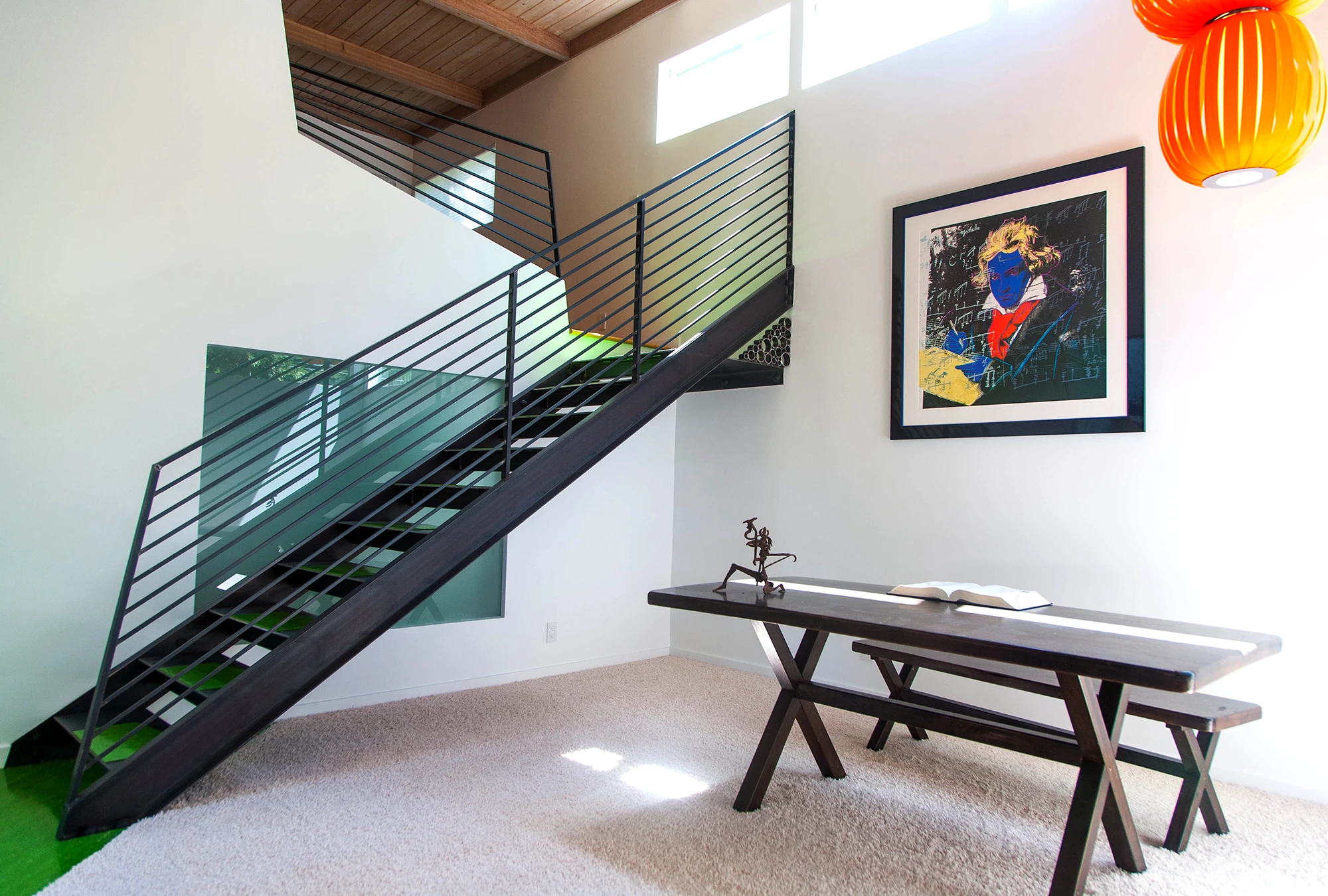
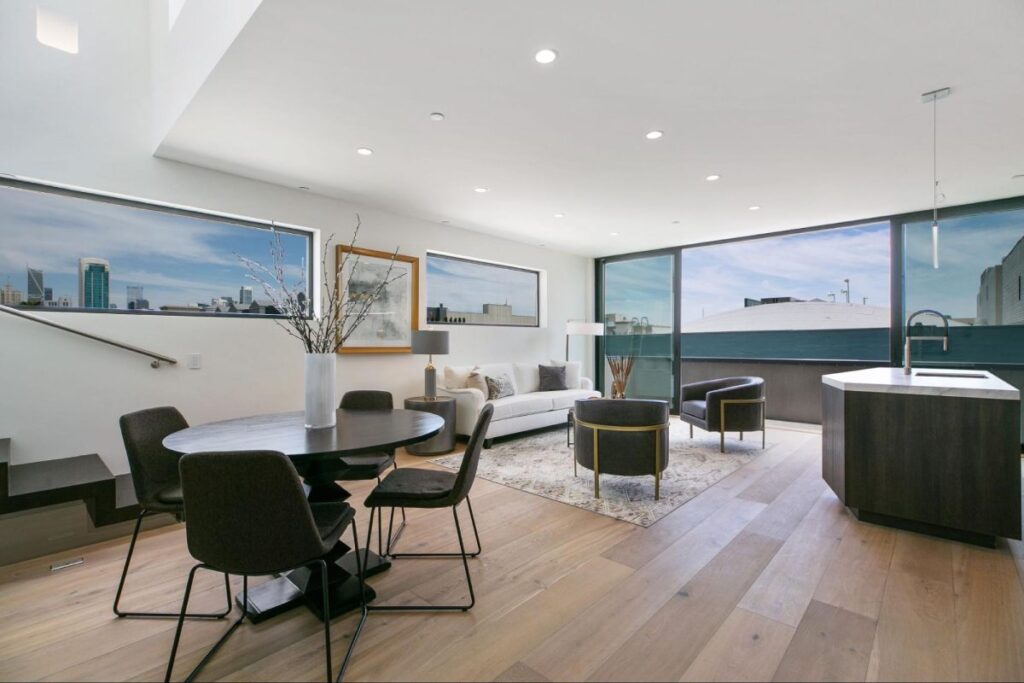
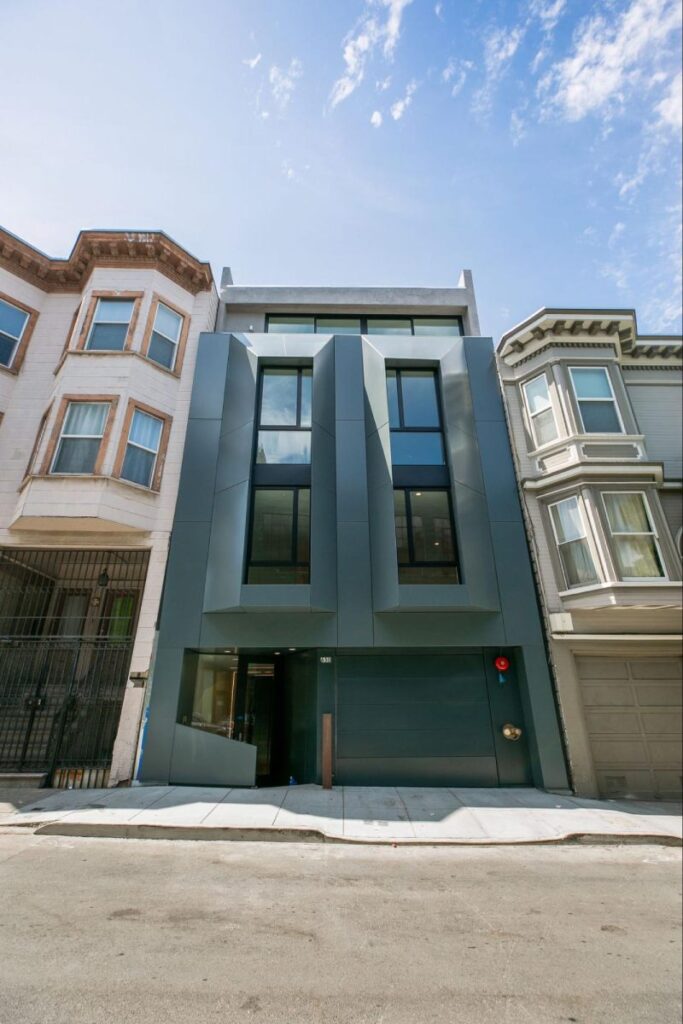
On the Natoma Street condominium project, we used a creative interpretation of San Francisco’s building code to put the stair access and rooftop penthouses inside each unit, which turned a code allowance into one of the best features of the building. That kind of design only holds up through construction if someone keeps watching the details.
Midway through framing, a question came up about how the rooftop stair penthouses would meet the wall of glass at the back. The contractor had a reasonable read on the drawings, but the geometry needed to land within an inch for the daylight to fall the way the design intended.
We worked through it on site, adjusted one dimension, and kept moving. It was a fifteen-minute conversation. If this had been answered by email three days later, the framing would have been further along, and the fix would have been more expensive.
The Difference in San Francisco Specifically
San Francisco construction is more involved than most markets. Lots are dense, walls are often shared, staging is tight, and the noise and access ordinances are real. Building inspectors here expect the field to match the permit set closely, and they have the experience to notice when it doesn’t.
My permit sets typically run 80 to 120 pages. My current project is at 135. A set at that length describes both the construction and the finishes in enough detail that the contractor isn’t making design calls in the field. Shorter sets exist in the market, and they do what they’re built to do, which is get a building permit. The trade-off is that the contractor ends up interpreting how the home actually goes together, because the drawings stop where the permit requirement stops.
What I bring on top of that comes from the construction and fabrication side. I’ve spent years welding, framing, and doing finish woodwork myself, and I think it changes how I draw. The design and the build aren’t two phases that hand off to each other. They move together, and that’s where a home starts to feel specific to the people living in it rather than typical.
Even with that level of detail, judgment is still required during the build. A drawing can describe a condition, but it can’t make the call when something on site is two inches off from what was assumed. That call is what building oversight San Francisco homeowners are really paying for.
On hillside lots, in older buildings, or anywhere a project crosses into design review territory, the value of close custom home project oversight tends to compound. The design was built around real constraints, and holding to it through construction is what protects both the approval and the finished result.
Ready to Talk It Through?
If you’re moving into the build phase of a custom home or significant remodel in San Francisco and you want the architect who drew your plans to stay involved through construction, I’m happy to walk through what that looks like for your project.
Schedule a consultation with Studio Couture and we can talk through the scope, the rhythm, and how the construction oversight services fit alongside the rest of the work.
Frequently Asked Questions
What does construction oversight include in Scott’s practice?
It includes weekly site presence (often more), review of contractor submittals and shop drawings, fast response to field questions, coordination between trades, and ongoing design refinement as the house takes shape. The work is structured around keeping the build aligned with the approved design and improving it where the site reveals an opportunity.
Is this an extra service or included in the standard fee?
It’s included. Over twenty-five years, I’ve refined the practice so that more of my time goes into design and on-site work and less into administrative overhead. The overall cost is in line with other architects in this market, and the difference is in where the hours are spent.
How often are the site visits during a project?
Generally, once a week, often more. Between site visits, I’m available by phone, Zoom, FaceTime, and photo or video review, so the contractor can reach me quickly when something comes up. Most of my current projects are close enough that I can be on site within minutes if needed.
What happens when a contractor needs to substitute a material or make a field change?
The substitution comes to me with the reasoning, and I review it against the design intent and the permit set. If the call needs to happen on site, I can take a photo, sketch over it, sign it, and that becomes the record. Most of the time it takes five minutes, not five days.
Do I need construction oversight if I already have an experienced contractor?
Experienced contractors are easier to work with, not a reason to step away. The construction management architect role exists to answer the design questions that come up during the build, which is a different lane from the contractor’s. The two together is what tends to produce the cleanest result.