“High end” is one of the most overused phrases in residential architecture. I hear it constantly, and I see it applied to everything from oversized houses with expensive finishes to projects that photograph well but don’t live well.
In practice, high end residential architecture has very little to do with price or spectacle. It’s about how deeply the design is thought through, how clearly it’s executed, and how well the house actually works over time.
That distinction matters, especially in places like San Francisco and Marin County, where sites are constrained, zoning is unforgiving, and the margin for error is thin. Here, architecture either anticipates reality, or it gets corrected by it later.
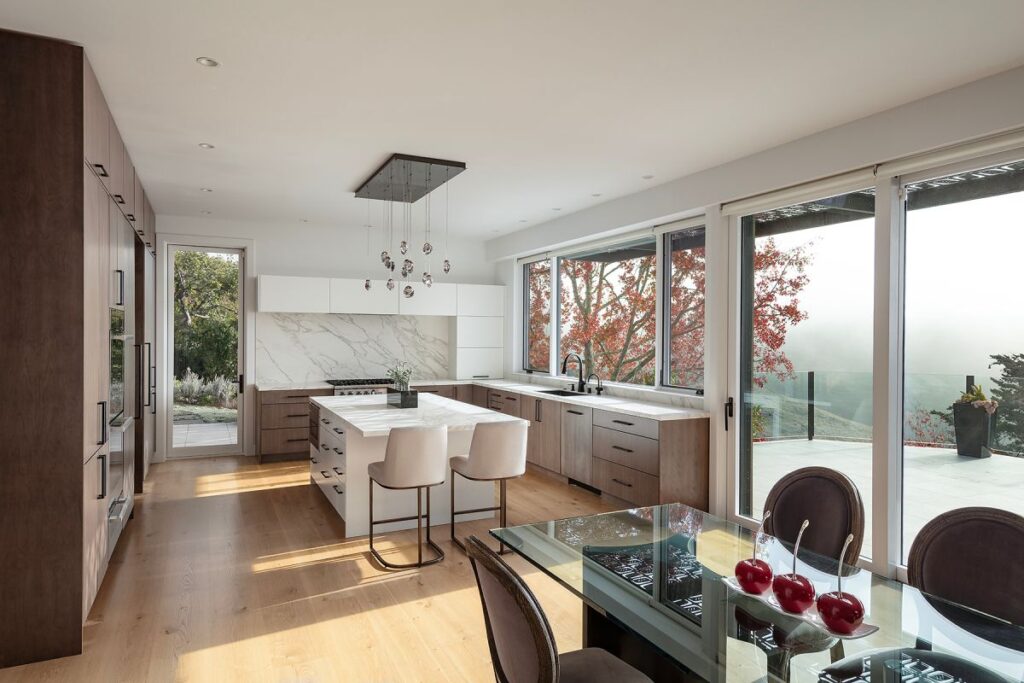
Why “High End” Is Often Misunderstood
Most people associate “high end” with surface-level qualities. Things like:
- Expensive materials
- Large square footage
- Dramatic forms
Those elements can be part of a project, but they don’t define its quality. I’ve worked on homes with substantial budgets that struggled because the underlying architecture wasn’t resolved early enough or wasn’t grounded in the realities of the site, the code, or construction.
High end residential architecture isn’t about how much you spend. It’s about how intelligently decisions are made before construction begins.
What Truly Defines High End Residential Architecture
In my experience, truly high end residential work is consistent in a few important ways.
Site-Specific Design
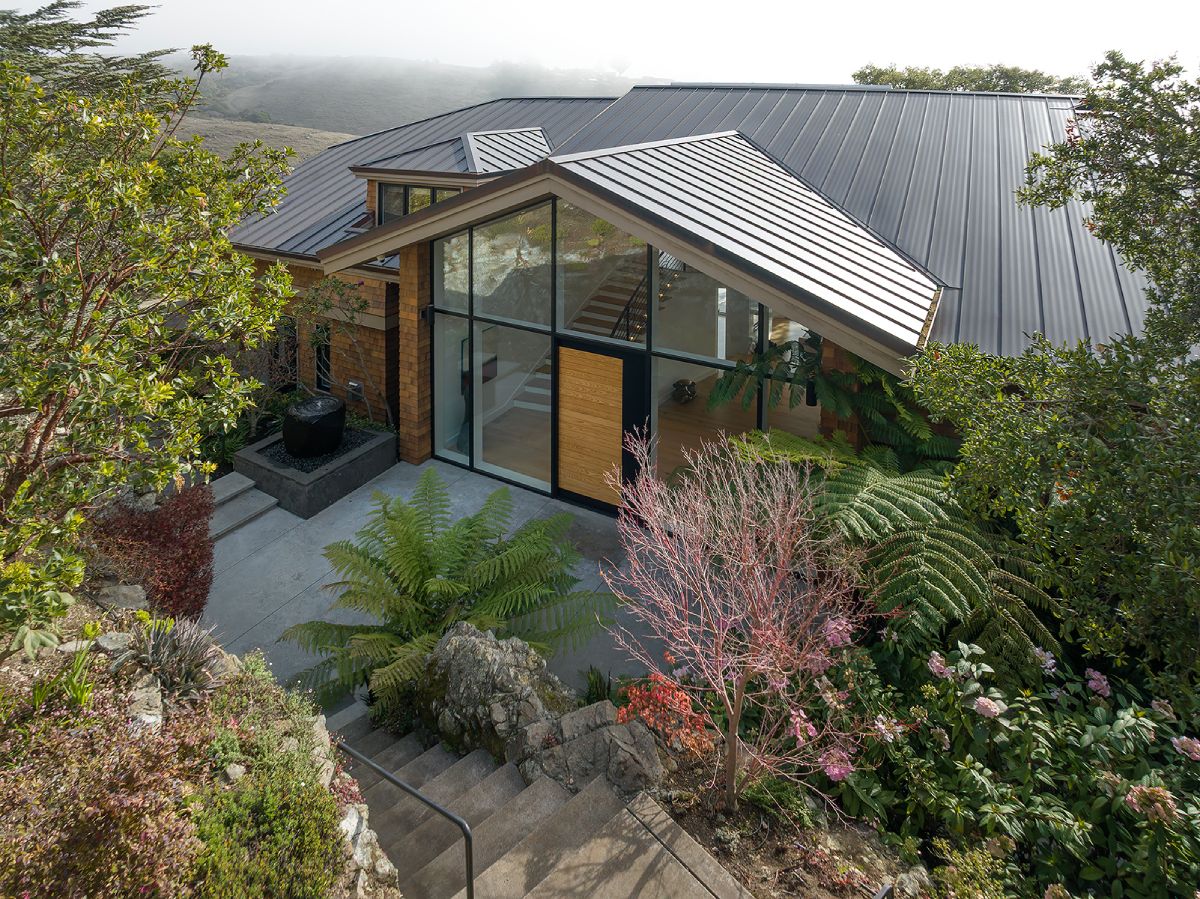
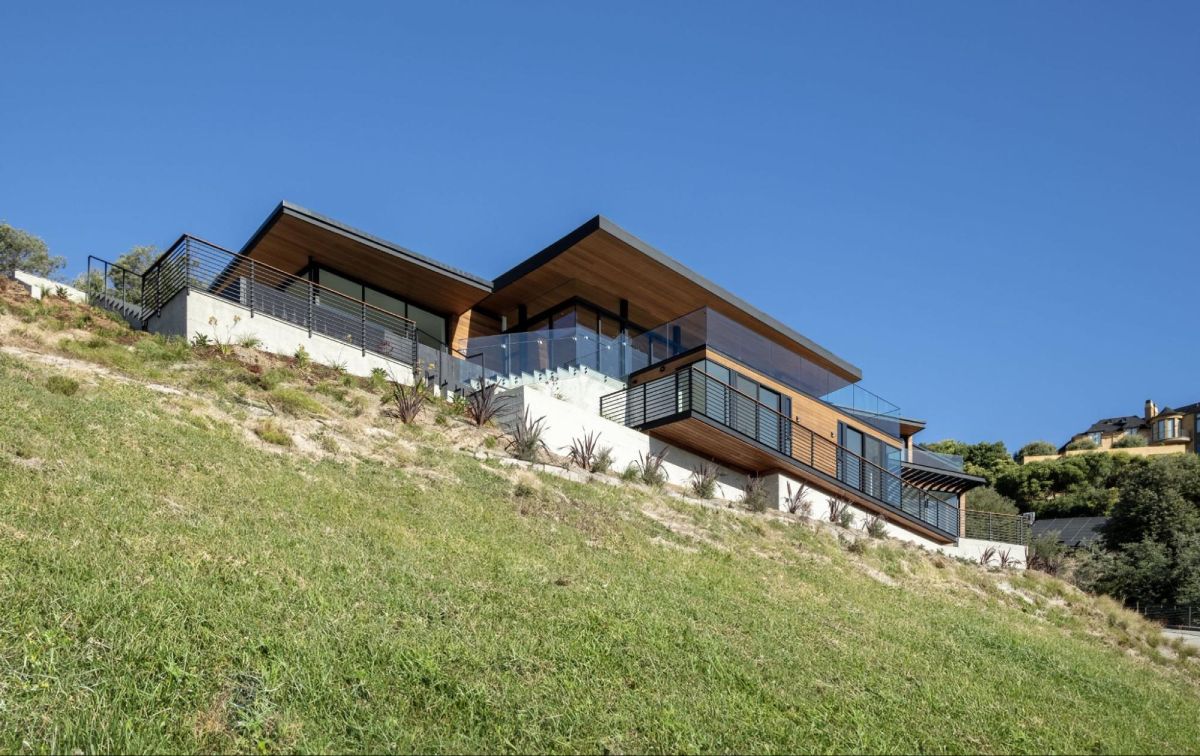
Every strong residential project starts with the site, not a preconceived idea. Topography, access, light, views, and neighbors all shape the architecture long before finishes ever come into the conversation.
A high end home feels inevitable on its site. It doesn’t fight its surroundings-it responds to them.
Clarity of Architectural Intent
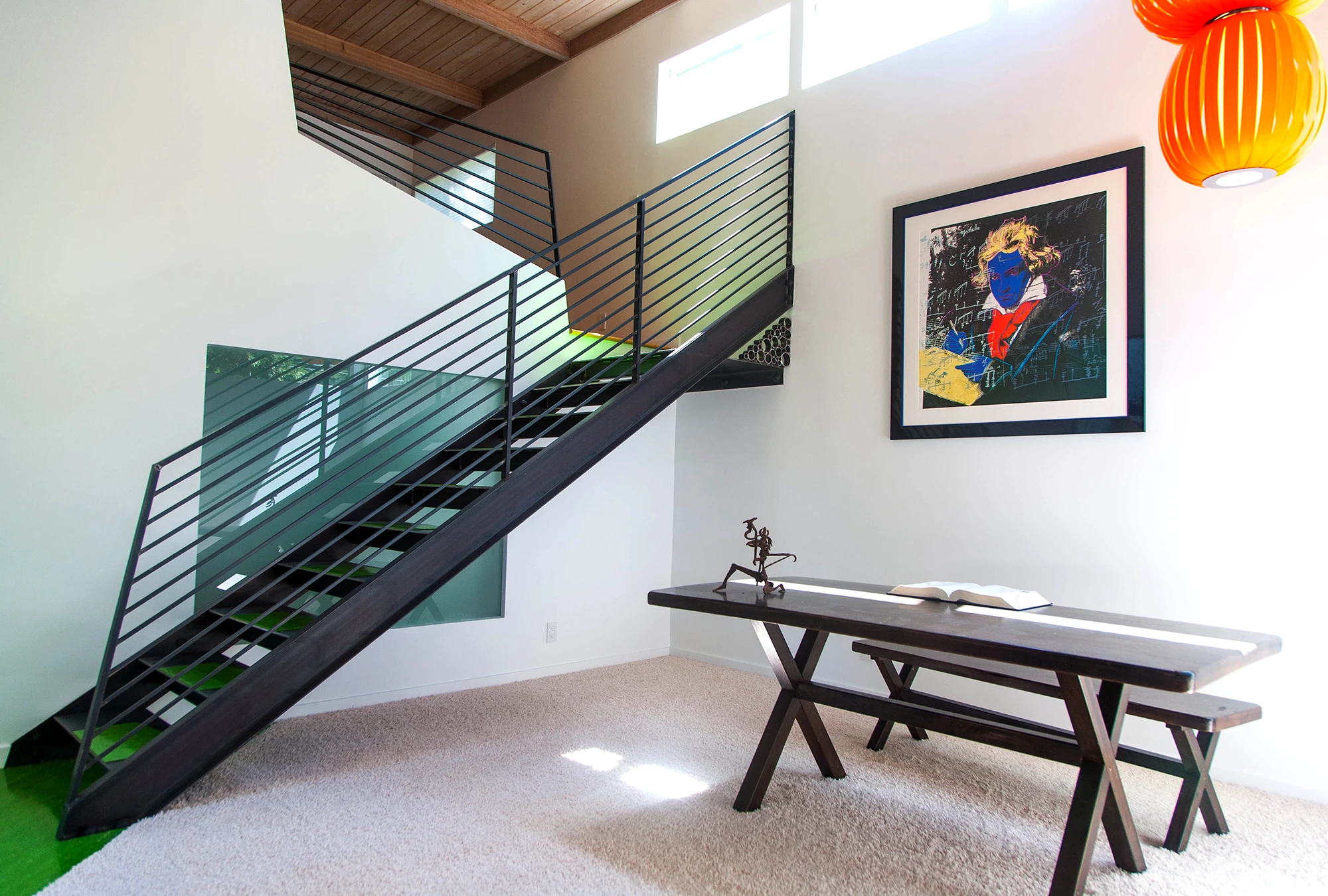
Good architecture is clear. The organizing idea of the house should be legible in the plan, the section, and the way spaces connect.
“When the intent is clear, most decisions stop being debates.”
That clarity doesn’t happen accidentally. It comes from slowing down early and thinking through how the house is meant to work, not just how it’s meant to look.
Alignment Between Design and Construction
One of the biggest differentiators in high end residential architecture is how closely the design aligns with how the house will actually be built.
When that alignment is missing, a few things tend to happen:
- Details get compromised in the field
- Costs escalate unexpectedly
- The finished house drifts from the original intent
High end work anticipates construction realities instead of reacting to them later.
Longevity and Livability
The best homes age well. They aren’t locked to a moment or a trend.
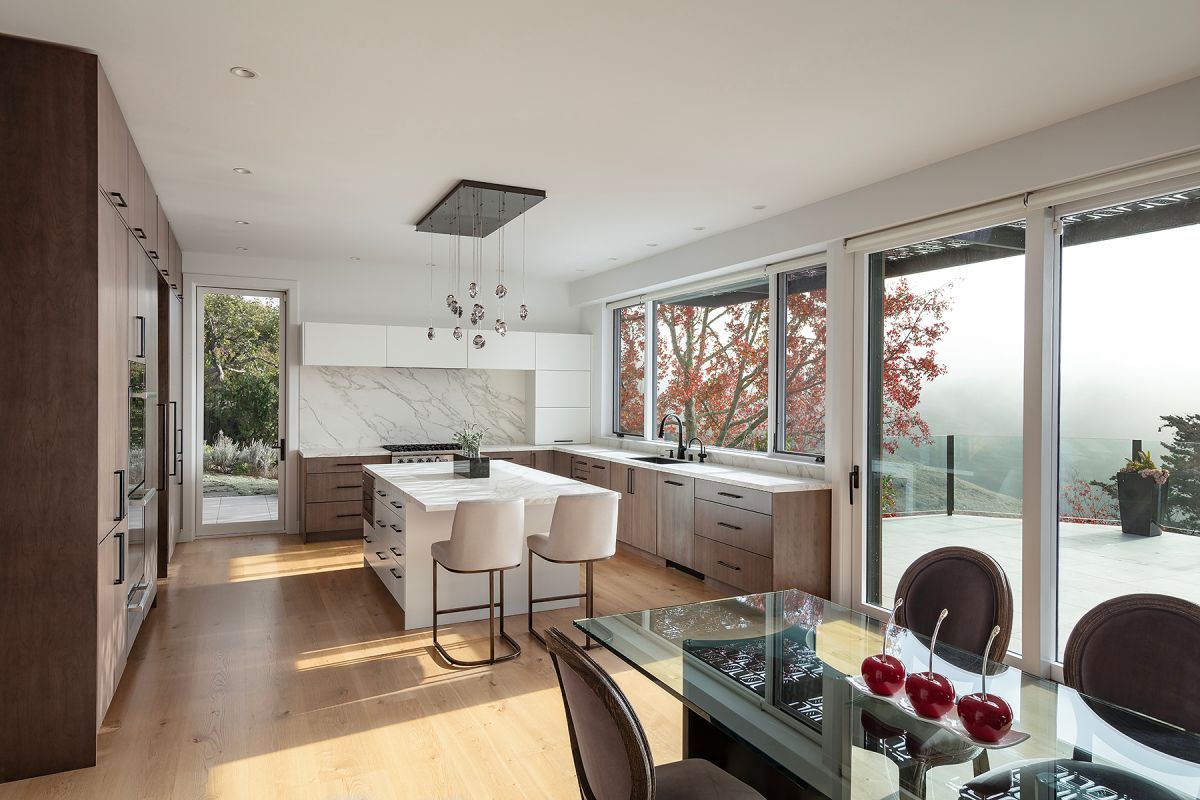
That usually comes down to restraint-proportion over excess, circulation that makes sense, light used intentionally, and materials chosen for performance rather than novelty. The goal is a house that still feels right decades from now.
The Role of the Architect in High End Residential Work
High end residential architecture requires leadership. Without it, projects become fragmented.
When too many people are responsible for decisions, no one really is. That’s when projects lose clarity and start accumulating compromises.
An architect-led process provides something simple but powerful:
- One point of accountability
- Continuity from concept through construction
Every handoff introduces interpretation. Over time, interpretation turns into deviation. High end residential projects benefit from continuity – one person shaping the design, producing the drawings, and understanding how the details will actually be built.
Design, Permitting, and Buildability Are Not Separate
One of the biggest misconceptions I encounter is the idea that design, permitting, and construction are separate phases that can be dealt with independently. In reality, they’re deeply connected, especially in San Francisco and Marin County.
Zoning codes, design review boards, and neighbor concerns all influence architecture, whether acknowledged or not. Ignoring those realities early usually leads to:
- Revisions late in the process
- Delays during review
- Compromised design solutions
I’ve seen beautifully rendered homes struggle because they weren’t designed around approval requirements. Architecture that moves smoothly through review anticipates questions before they’re asked and communicates intent clearly through the drawings.
This isn’t about gaming the system. It’s about designing intelligently within it.
How I Approach High End Residential Architecture at Studio Couture
My approach is straightforward and deliberate.
I lead every project personally. There are no handoffs and no layers of interpretation. What I design is what gets built.
My background as a builder informs how I draw. I don’t design details that look good on paper but fall apart in the field. That perspective reduces guesswork during construction, limits change orders, and keeps projects moving forward.
My construction drawing sets are typically 50–60 pages. That level of detail allows me to anticipate city comments before submission, resolve structural and drainage issues early, and clarify details contractors would otherwise question.
This isn’t about over-documenting. It’s about removing uncertainty.
I design around real constraints, site conditions, approval pathways, and construction sequencing. When those factors are integrated early, the architecture holds together from concept to completion.
Why High End Residential Architecture Should Feel Quietly Confident
The best homes don’t announce themselves loudly. They feel composed, resolved, and intentional.
Quiet confidence in architecture comes from restraint and clarity, not excess. These are the houses that feel better to live in over time, not just impressive on day one.
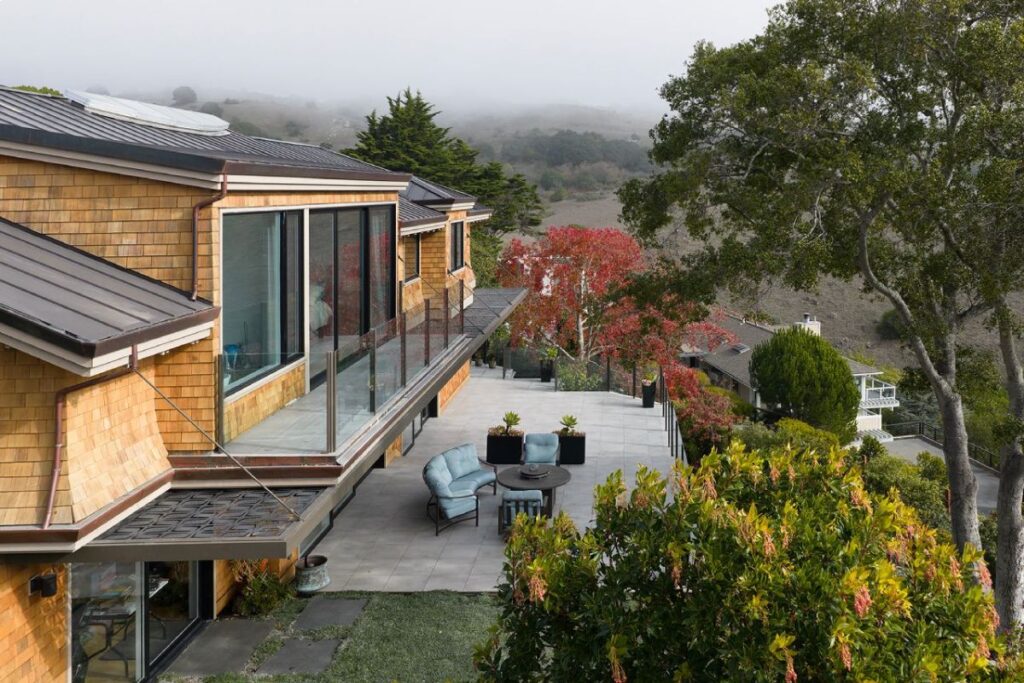
Is High End Residential Architecture the Right Fit for You?
This approach tends to be a good fit if:
- You value clarity and foresight
- You want architectural leadership, not just drawings
- You’re building or renovating a personal home
- You care about how the house performs long-term
It may not be the right fit if:
- You’re focused primarily on finishes or trends
- You’re looking for a fast, surface-level solution
- The project is limited to cosmetic updates
High end residential architecture isn’t about doing more. It’s about doing the right things at the right time.
At its core, high end residential architecture is defined by decision-making. It’s about resolving the important questions early, designing with intention, and carrying that intent all the way through construction.
When architecture is approached this way, the result isn’t just a beautiful house. It’s a home that works, lasts, and feels considered in every detail.
If you’re planning a custom home or major renovation and want a clear, architect-led approach to high end residential architecture, you can schedule a consultation with me. I’ll walk the site, talk through constraints, and explain how I’d approach the project from day one.