Most people hear the phrase “modern architect in San Francisco” and picture sleek glass boxes on the hills or homes with massive windows and minimalist furniture. That’s not what I think of.
When I hear modern architecture, I think of something different – design that responds intelligently to how we live today, to the real conditions of a site, and to the systems that make a house work. It’s not about a look; it’s about a mindset.
That’s how I approach every project at Studio Couture. Modernism, to me, isn’t a style. It’s a commitment to clarity – in how we think, design, and build.
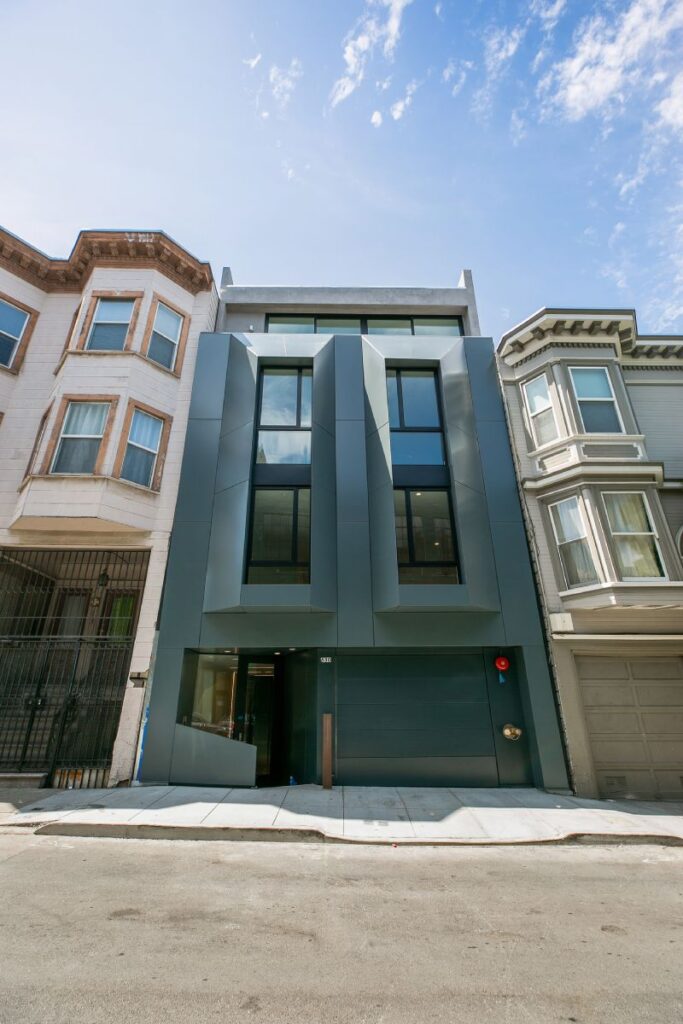
Modern Design Is About How You Live, Not How It Looks
When I walk through a potential project in San Francisco, I’m not starting with aesthetics. I’m thinking about how people move through the home. How light changes during the day. Where privacy matters and where openness should take over.
Modern design, for me, is about removing friction from everyday life. It’s the flow between kitchen and dining. The way a stair sits in the house so it feels sculptural but natural. The placement of a window that frames the Bay without overheating the room in the afternoon sun.
That’s what I mean when I talk about being a modern architect in San Francisco. It’s not “style-forward” – it’s life-forward.
When the design is right, you feel it in the small details:
- Circulation that feels effortless – no dead corners or wasted steps.
- Natural light that balances privacy with openness.
- Materials that age well instead of needing constant upkeep.
- Views that feel discovered, not forced.
- A quiet rhythm between structure and softness – architecture that breathes.
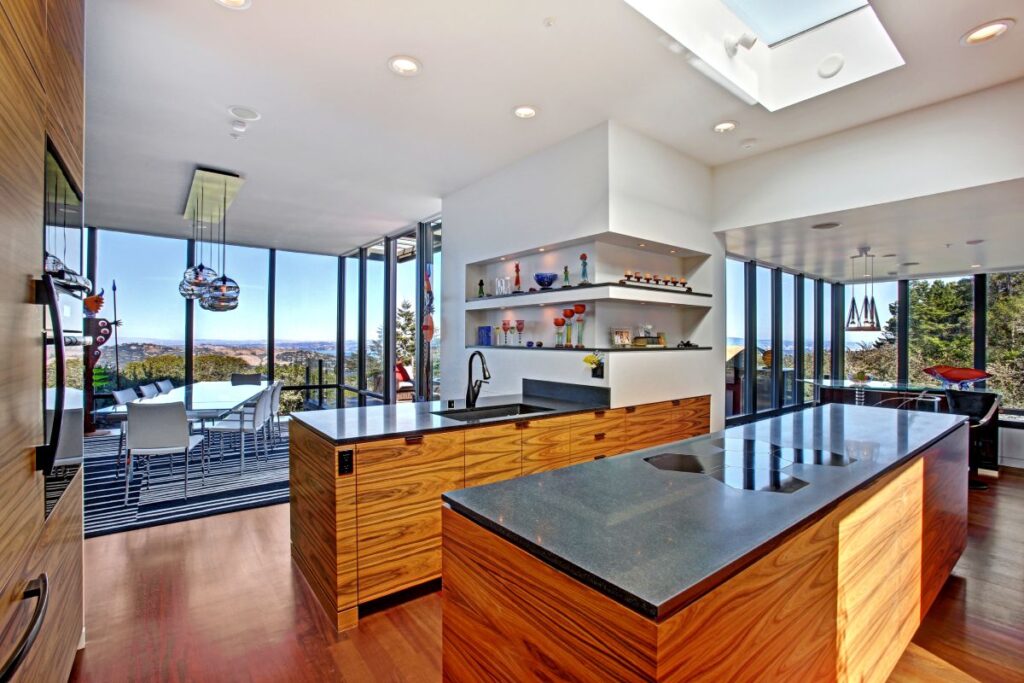
The San Francisco Context: Beautiful and Brutal
Designing in San Francisco is not easy. The city’s terrain, zoning, and permitting rules make it one of the most complex places in California to build a house.
Every site has its own personality – steep slopes, narrow lots, height restrictions, view corridors, vocal neighbors. You can’t copy and paste design ideas from a magazine. What works in Palm Springs doesn’t work in Pacific Heights.
Being a modern architect here means designing with all that in mind. The structure has to respond to grade, daylight, and code. The architecture has to do as much engineering as it does expressing.
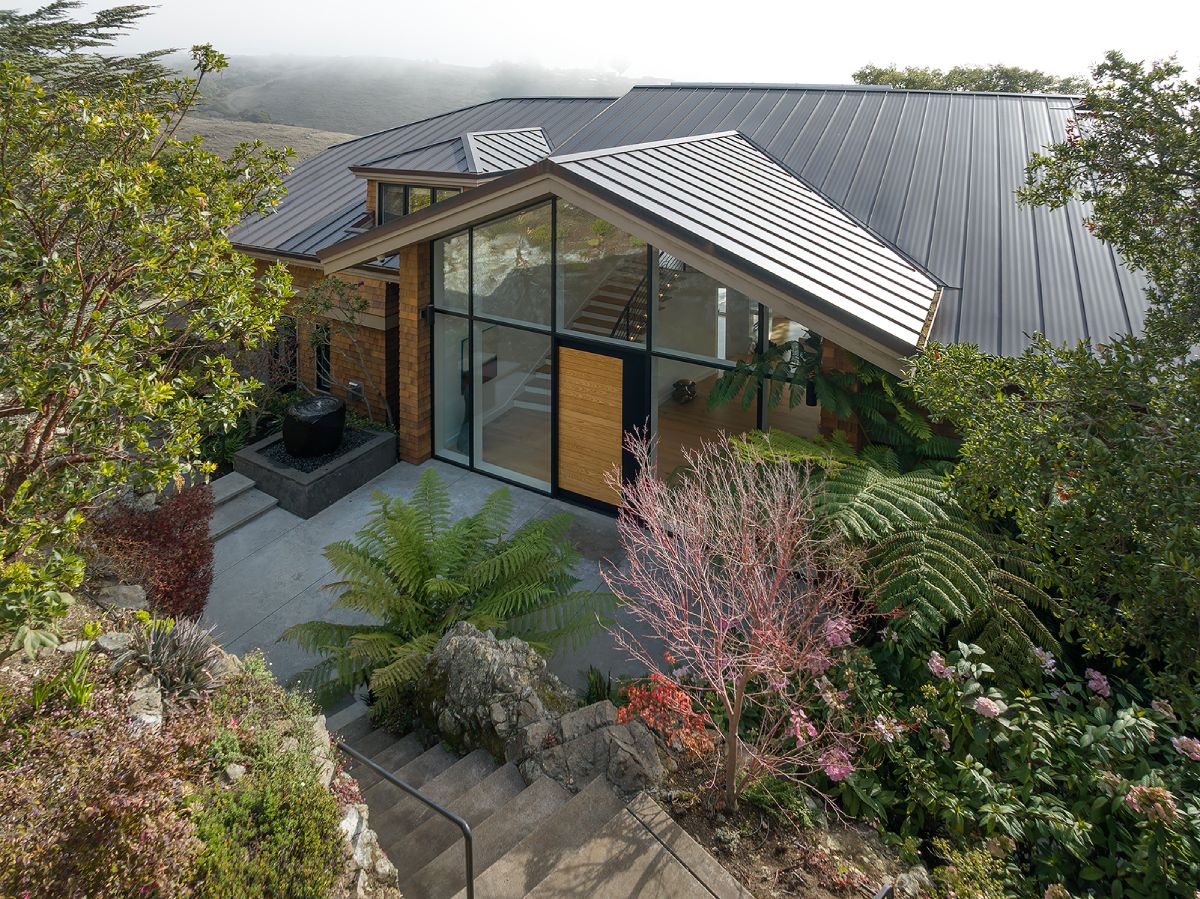
That’s why I draw every home around the site itself. I don’t fight the conditions; I use them. The grade might create opportunities for a split-level layout that gives you both privacy and views. A narrow lot might force tighter geometry that actually creates more intimacy.
Modernism, done right, doesn’t ignore the site – it grows from it.
Modern Doesn’t Mean Cold
A lot of clients tell me they love “modern” but don’t want their home to feel sterile. That’s usually because they’ve seen projects where modernism was mistaken for minimalism – all hard edges and white walls.
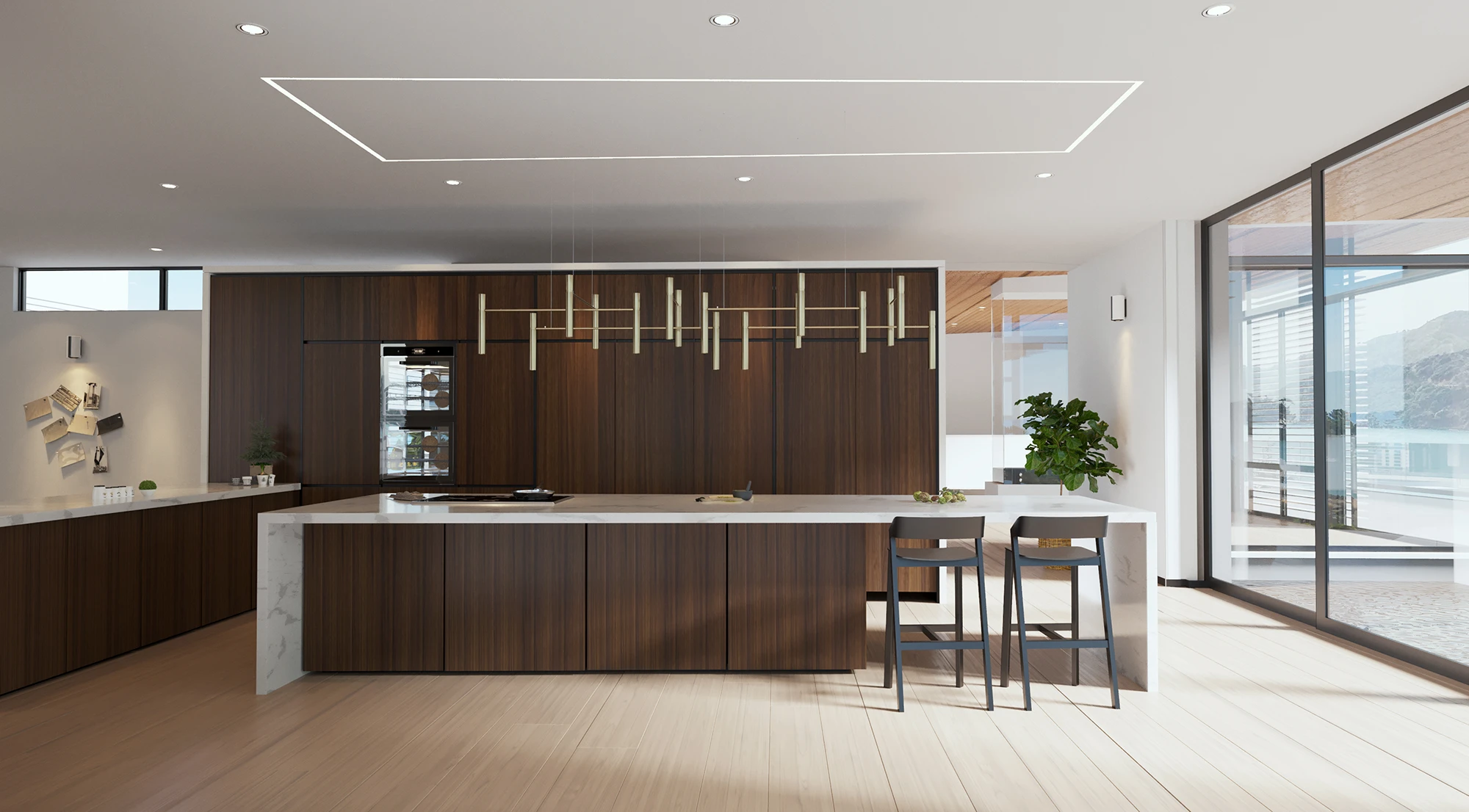
To me, warmth and restraint can coexist. I use materials like wood, stone, and metal not as decoration, but as structure. When you see an exposed beam or a clean steel detail, it’s there because it serves a purpose.
I always say: if you can make the structure beautiful, you don’t need to decorate it. That’s modern design at its best.
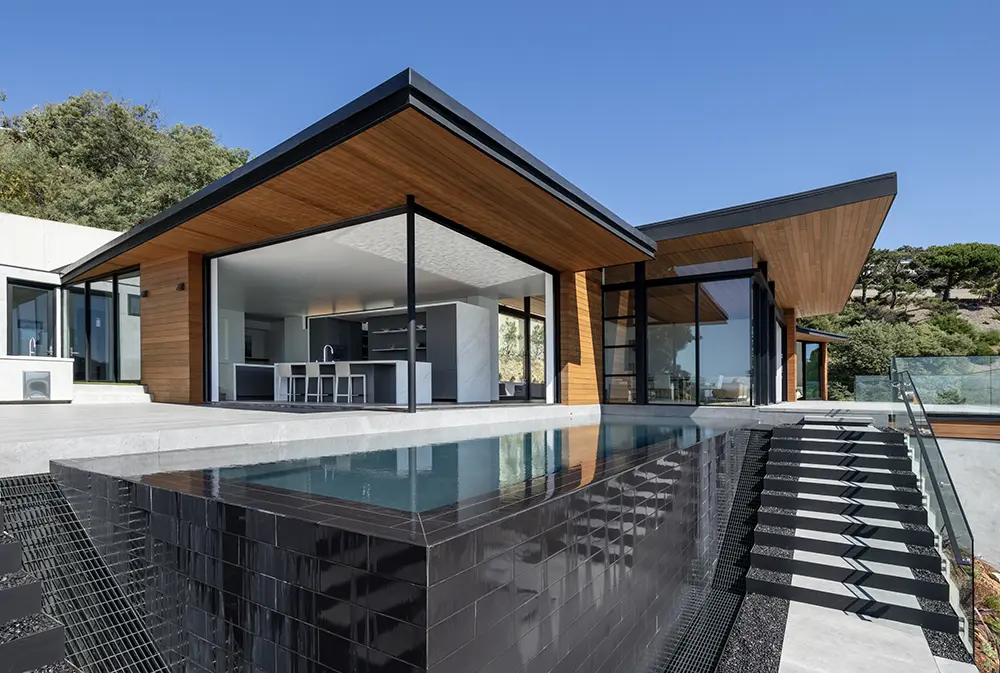
One project in Tiburon comes to mind – a hillside rebuild with stunning Bay views. The clients wanted a modern home but didn’t want it to feel “new for the sake of new.” We used a palette of natural finishes, layered lighting, and open framing to give the home a sense of calm. It feels modern, but also timeless. That’s the balance I aim for.
The Permitting Game – and Why Modern Design Helps
Most homeowners don’t realize how much strategy goes into design review and permitting in San Francisco. Every city reviewer has a slightly different lens. Every neighborhood has a different sensitivity – one might worry about shadows, another about privacy, another about preserving sightlines.
That’s where modern design helps. When your architecture is logical, restrained, and site-specific, it’s easier to defend.
I’ve never had a project denied in San Francisco or Marin – not because I play politics, but because I build the city’s expectations into my plans from day one. The design is clear, the drawings are detailed (usually 50 to 60 pages), and there’s no guesswork left for staff or contractors.
If the plan tells a clear story, the approval follows. That’s as modern as it gets – efficiency through precision.
Modern Architecture Is Coordination, Not Chaos
I’ve seen too many projects where design and construction live in separate worlds. The architect hands off the plans, the builder “interprets,” and the client gets caught in the middle.
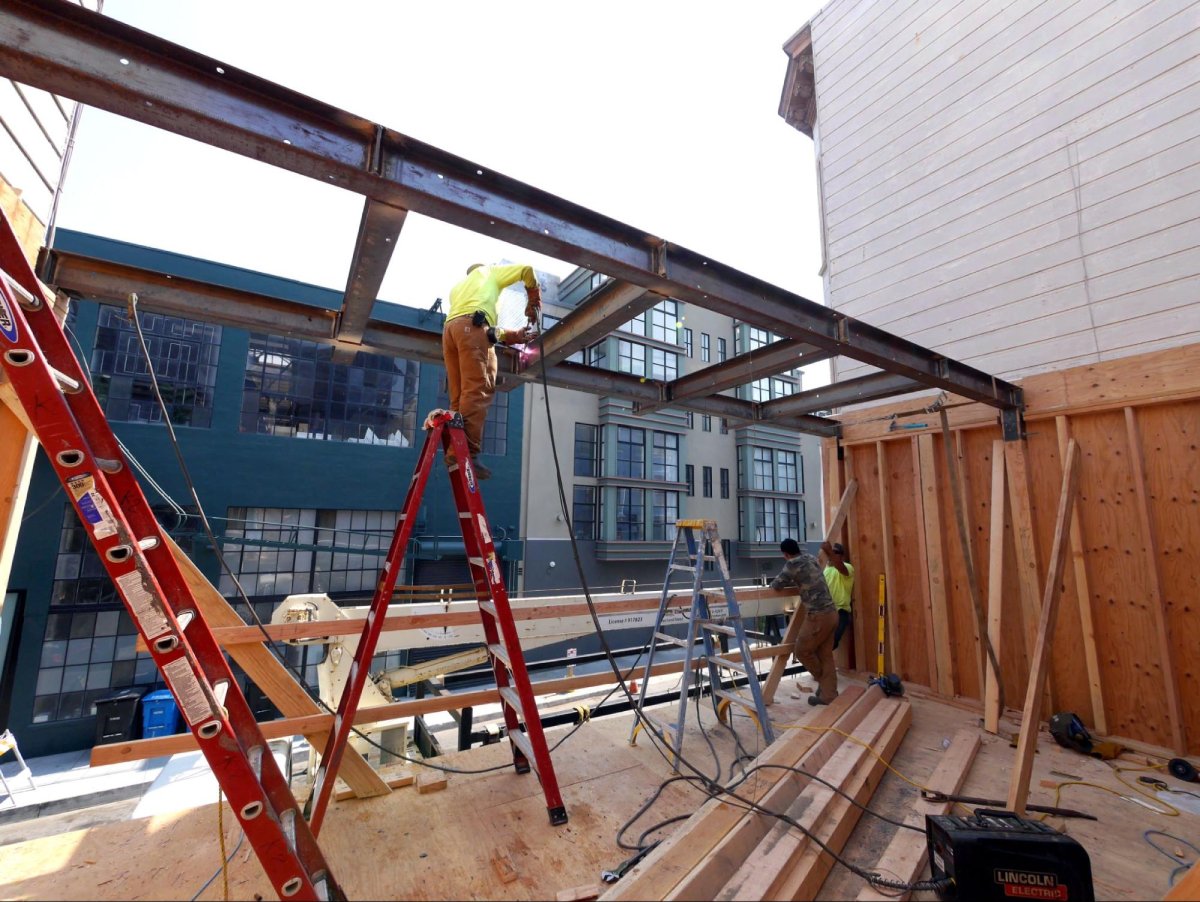
That’s why I take a different approach. I design the way I build – with construction logic built into every line. When I draw a soffit, I’m thinking about the HVAC that runs through it. When I place a skylight, I’m thinking about waterproofing and insulation.
It’s not glamorous, but it’s what keeps projects moving.
Clients hire me because they don’t want to micromanage a team of ten people. They want one expert who can design, anticipate, and deliver. That’s what “modern architect” really means in today’s world – not a stylist, but a strategist.
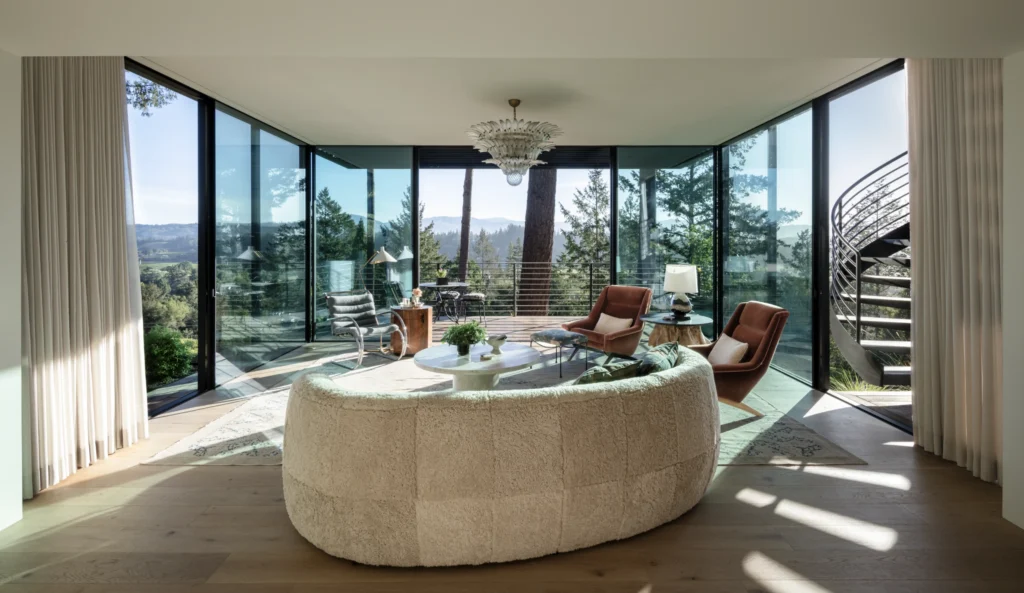
How Clients Define Modern (and How I Translate That)
Every client has their own version of “modern.” Some mean minimalism. Others mean open layouts and light. Some mean technology and smart homes.
My job is to translate what “modern” means for them – not for a magazine spread.
When we talk about “modern,” I listen for the cues that reveal what matters most:
- For families, it’s usually connection – open layouts, better flow, visibility between rooms.
- For collectors, it’s precision – clean walls, gallery lighting, and calm spaces that let art breathe.
- For professionals, it’s control – smart systems, organized storage, and efficient layouts.
- For retirees, it’s comfort – single-level living, natural light, and quiet simplicity.
I spend a lot of time observing how clients live – where they cook, what they collect, what they read, even what kind of cars they drive. That’s where design ideas come from. It’s not a checklist; it’s a conversation.
The Role of Restraint
Modernism rewards restraint. The hardest part of design isn’t adding – it’s knowing what to leave out.
In one San Francisco rebuild, I remember removing three unnecessary materials from the palette. It wasn’t about saving money – it was about focus. The simpler we made it, the stronger it felt.
That’s what clients feel when a design works: clarity. You can’t always describe it, but you sense it when you walk in – the proportions feel right, the light feels natural, and the space feels intentional. That’s modern architecture doing its job quietly.
What I’ve Learned After 30 Years
After decades designing in Marin and San Francisco, I’ve realized that modern architecture isn’t about chasing trends or labels. It’s about honesty – in materials, structure, and intent.
It’s also about responsibility. Every line I draw affects how someone lives, how a contractor builds, and how a neighborhood evolves. That’s why I take a pragmatic, detailed approach. I’d rather a home feel effortless than look flashy.
Being a modern architect in San Francisco means understanding that beauty is a result, not a goal. It comes from clarity – and clarity only comes from experience.
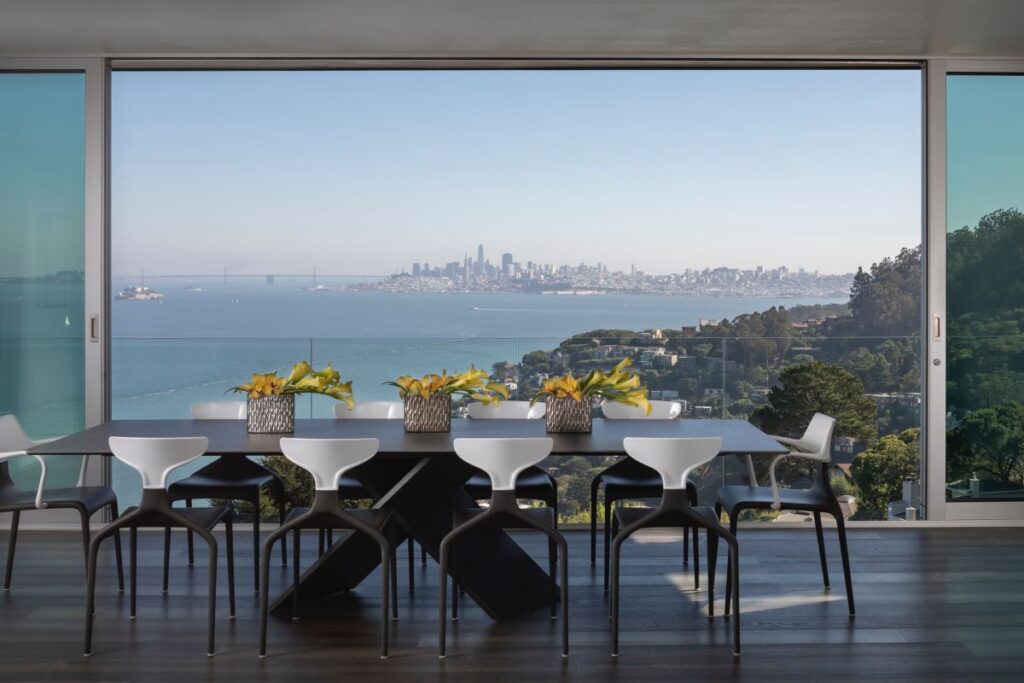
If you’re considering building or renovating in San Francisco, don’t start with style – start with substance. Look for a design that fits your life and your site.
That’s what I do at Studio Couture. I design modern homes that are precise, buildable, and tailored to the people who live in them.
It’s not about creating a showpiece. It’s about creating a place that makes sense – a home that will still feel right twenty years from now.
If that’s the kind of modern architecture you’re looking for, I’d be glad to walk your site and talk through what’s possible.