In my experience, the words “design review” create more confusion than almost anything else in the building process. Clients hear them and picture something close to a courtroom, a panel of officials scrutinizing their plans, looking for reasons to say no.
That is not how it works. Architectural design review, when you understand what it actually is, becomes one of the most manageable parts of a project. It requires attention and rewards preparation, but it is not the adversarial process most homeowners expect.
I have been through architectural design review hearings across San Francisco and Marin County for over 25 years, and I have never had a project denied while avoiding making major changes to the project. That record is not something I take for granted.
It comes from treating design review as a design tool rather than an obstacle to clear at the end.
What Is Architectural Design Review
Building permits and design review are two separate parts of the approval process, and they answer different questions. A building permit is technical. It confirms that a project meets structural codes, fire safety standards, energy requirements, and similar measurable criteria.
Architectural design review is different. It is the subjective layer, where a city evaluates how a project fits into its surroundings.
Review boards look at massing, scale, materials, rooflines, and how a project relates to neighboring properties. They consider whether a home feels appropriate to its setting. These are judgment calls, and that is what makes the process feel uncertain to homeowners who are used to clear, binary answers.
What I have seen over time is that this subjectivity is actually an opportunity. Because the criteria are qualitative, a well-prepared presentation can shape the conversation.
Boards respond to clear information, resolved plans, and evidence that the design has already considered the concerns they are likely to raise. The process rewards architects who do that work in advance.
How San Francisco and Marin Handle Design Review Differently
San Francisco and Marin each have a distinct review culture, and understanding the difference matters early in the process.
In San Francisco, the planning department tends to focus on the urban context. Massing, shadow studies, and street presence carry significant weight. The city pays attention to how a building relates to its block, how it affects light on neighboring properties, and whether it maintains the visual rhythm of the streetscape. Projects in neighborhoods like Noe Valley or the Inner Richmond are evaluated partly on how they sit alongside existing homes.
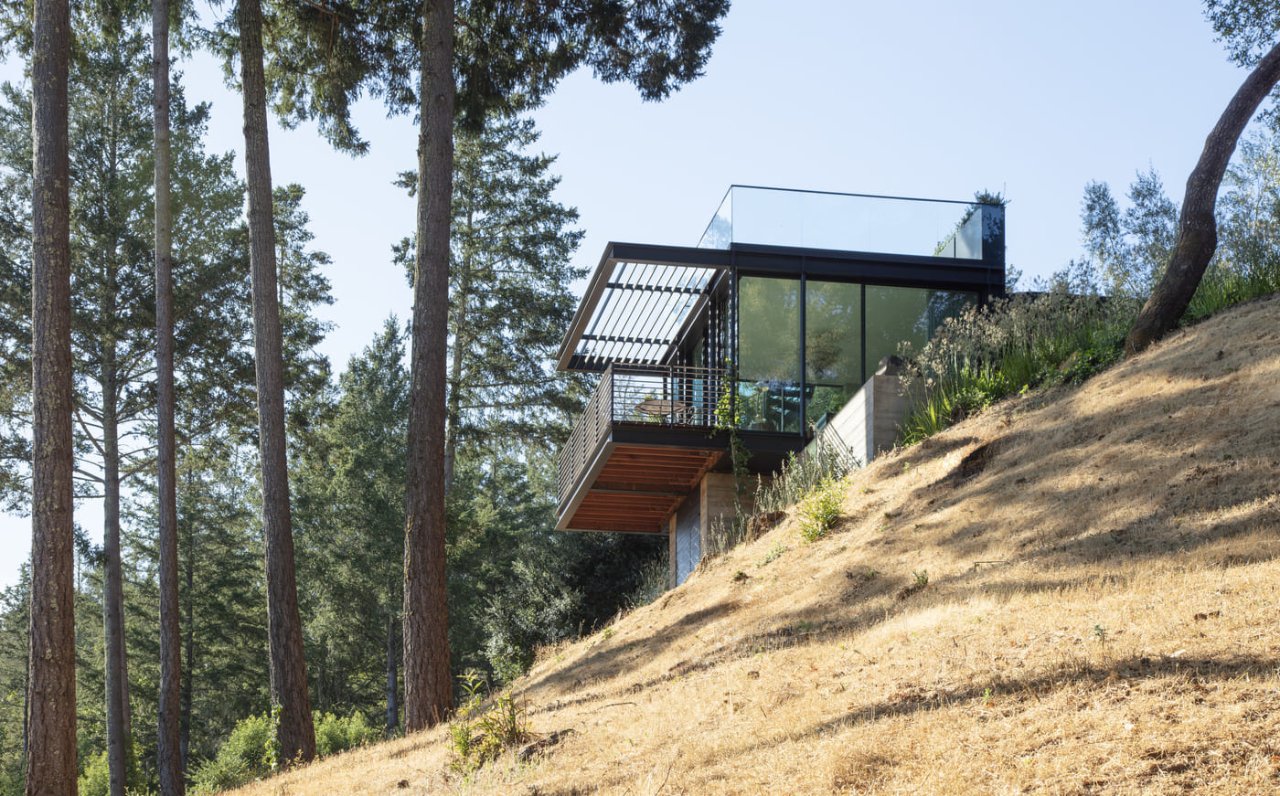
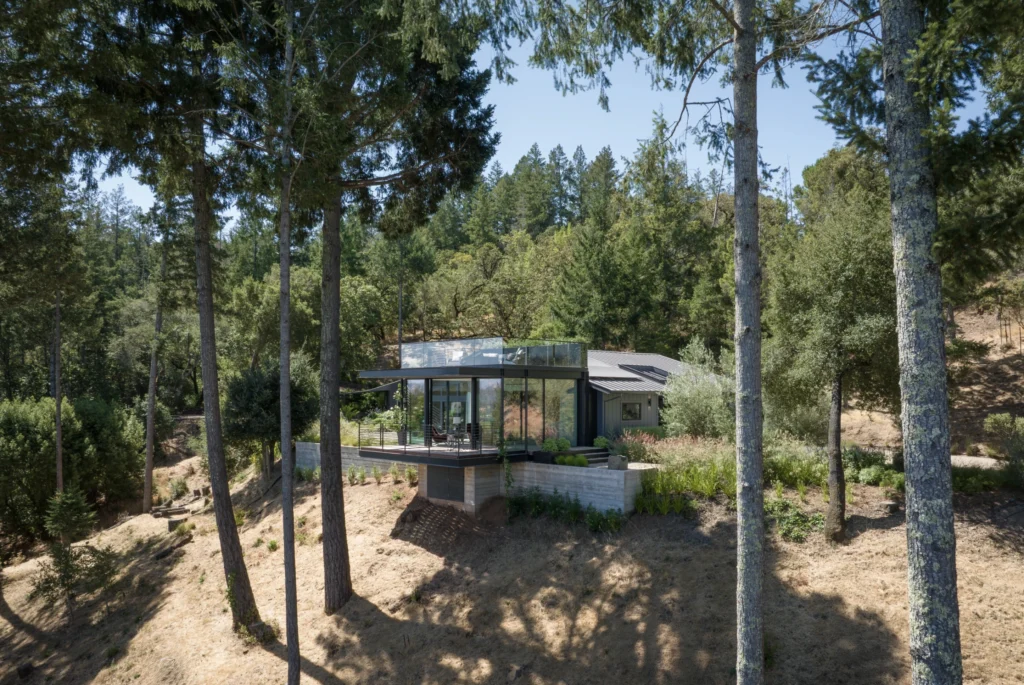
Marin municipalities operate differently. In Sausalito, Tiburon, and Mill Valley, review boards tend to focus on hillside sensitivity, view corridors, and neighbor privacy. These communities are built on slopes, so the relationship between properties is three-dimensional.
A roofline that works perfectly on a flat lot can become a problem when it blocks the home above it. Marin design review often comes down to how well the architect has studied those vertical relationships.
In practice, this means that the strategy for a San Francisco project is structured around different evidence than one in Marin. San Francisco leans on shadow analysis and contextual massing studies. Marin leans on sightline documentation and view corridor preservation. Both require preparation, but the preparation looks different.
What Happens When Consideration for Architectural Design Review Comes Too Late
What I have seen over time is a pattern that repeats itself. An architect designs a home the client loves, develops it through schematic design and into construction documents, and then submits it for review near the end. The assumption is that the board will confirm what has already been decided.
That assumption tends to create problems. When a design reaches the board without having addressed likely concerns, those concerns surface publicly for the first time. Neighbors who were never consulted voice objections at the hearing.
Board members notice massing or scale issues that could have been adjusted earlier. The project loses momentum, and what should have been a single hearing turns into two or three, with revisions required between each one.
The cost is not just time. Once a board expresses reservations, the dynamic shifts. Neighbors who might have been neutral start to organize. Board members who might have approved become cautious. The project enters a cycle of revision and re-presentation that is harder to exit than it would have been to avoid.
In my experience, this pattern is avoidable. It happens when the review process is treated as a hurdle at the end rather than a condition that shapes the design from the beginning.
How I Approach Architectural Design Review
My process starts well before any hearing date. During schematic design, I begin building the case for approval through a few consistent steps:
- I engage with planning staff early to understand how they are likely to view the project and where their priorities sit for the current review cycle.
- I walk neighboring properties to study sightlines and photograph what neighbors actually see from their windows, so I can address concerns with evidence rather than assumptions.
- I review the board’s recent decisions to understand the language they use when they approve or ask for changes, and I frame the project in terms that connect to those patterns.
- I resolve open design questions before submission, so the plan set presents a complete project rather than one that invites requests for additional information.
By the time a project reaches the board, the drawings are fully resolved. The plan set is complete, the narrative aligns with the board’s stated priorities, and evidence of neighbor consideration is built into the presentation. The goal is to make it straightforward for the board to say yes.
Two projects illustrate how this works in practice.
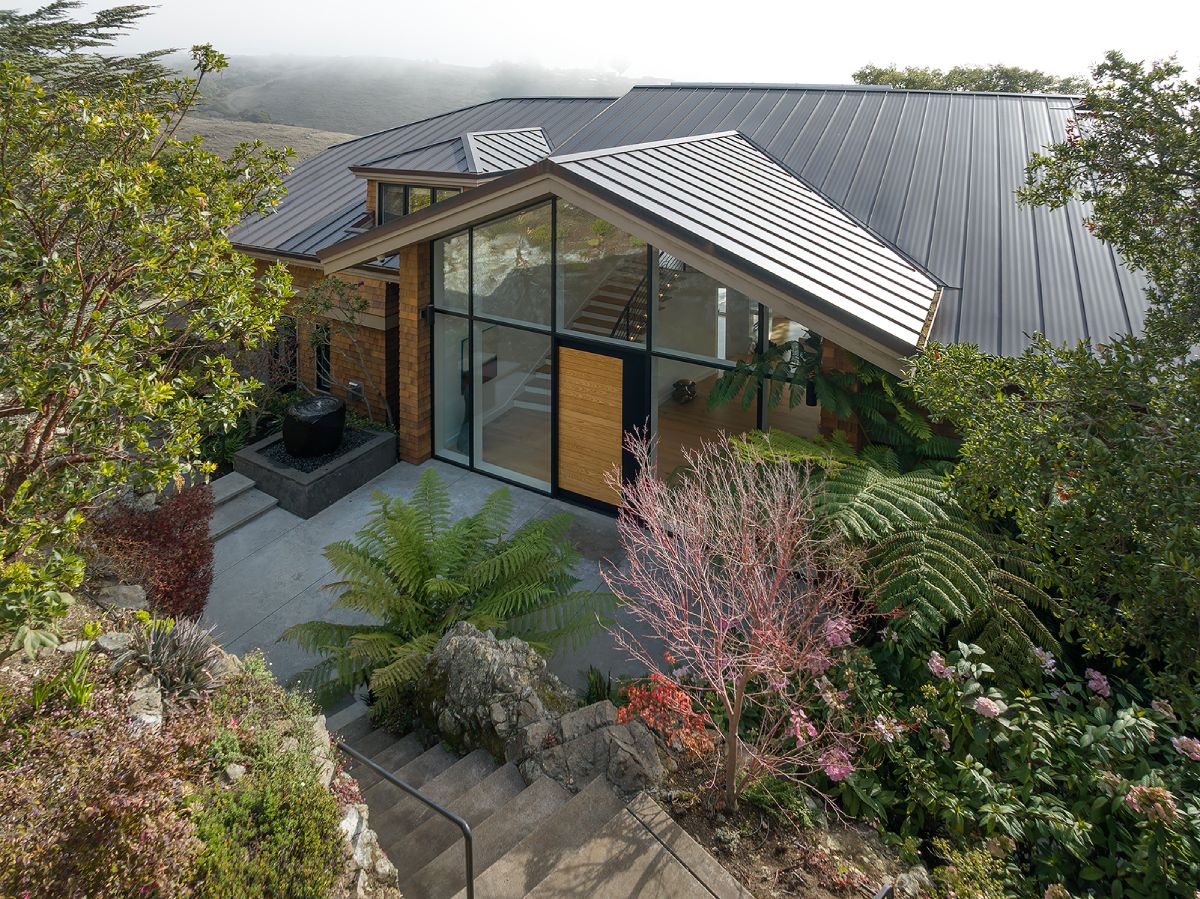
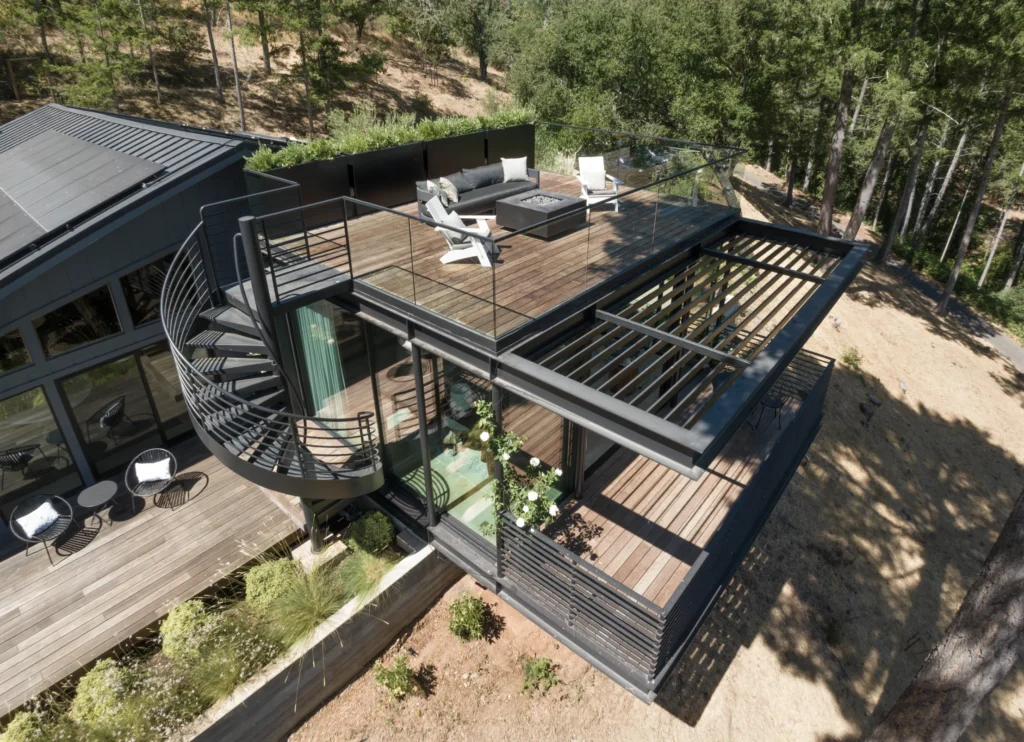
In Tiburon, I designed a modern home on a hillside parcel that had sat undeveloped because previous teams could not find a viable approach. When we presented to the Design Review Board, their initial response was direct: they loved the house, but felt it looked like a flatland home that did not belong on a hillside.
Over the following meetings, I walked the board through how the design met each guideline and demonstrated that there were no negative impacts on neighboring properties. The project received unanimous approval and later sold for $11.8 million.
On Wolfback Ridge in Sausalito, a different kind of preparation was required. The site sat on a ridge adjacent to the Marin Headlands National Park, visible from hiking trails and public vistas.
Before any design work began, my first meeting was with the National Park Service. I simply asked, “What are your concerns?” We worked with the Park Service throughout design and review, and their support became a factor in securing the City of Sausalito’s approval.
Neither of these outcomes was a surprise by the time the final vote happened. The preparation made the result feel like a natural conclusion.
The Role of Neighbor Relations in the Review Process
In hillside neighborhoods across San Francisco and Marin, neighbor concerns often shape the outcome more than the board itself. A board that sees organized opposition will approach a project with more caution, even if the design meets every guideline.
My approach is to anticipate those concerns before they become formal objections. I study sightlines from adjacent properties, often photographing what neighbors see from their living rooms and decks. I share visual information early so neighbors can understand the design’s real impact rather than imagining something worse. And when small adjustments can address a concern without compromising the client’s goals, I make them.
This is not about giving away the design. I work for my clients, and I fight for what they want. But I have found that demonstrating awareness of neighbor concerns, and showing the design already accounts for them, removes the strongest arguments against a project before the hearing begins.
Riley Hurd, a land use attorney at Ragghianti Freitas LLP who has worked on projects with me in Sausalito and Tiburon, put it this way:
“Scott has a detailed command of the nuances of the local zoning ordinances combined with a rather groundbreaking design aesthetic that still has a sense of place.”
That sense of place is part of what makes the conversation work. When a project fits its setting while still being original, the board and the neighbors can see it.
What Actually Gets a Project Through Design Review
My 25-year record of zero denials comes down to a few things that compound over time. Each one addresses a different part of what makes a board comfortable saying yes:
- A plan set that anticipates corrections before they are issued. My construction documents typically run 50 to 60 pages, compared to the industry standard of 10 to 15. That level of detail means the board sees a project with no open questions about materials, massing transitions, drainage, or landscape integration.
- A narrative that aligns with the board’s own priorities. Every board has a set of guidelines with specific language about what they value. I study that language and frame the project in terms the board already uses, connecting what the design does to what they have said they want to see.
- Evidence that neighbor concerns have been considered rather than ignored. Even when I disagree with a neighbor’s position, I make sure the presentation shows that I understand it. Boards notice when an architect has done that work.
Together, these elements make it easier for the board to approve. That is the goal: to remove friction from the process so the design can move forward.
Ready to Talk Through the Design Review Process?
If you are planning a remodel or new build in San Francisco or Marin and want to understand what the design review process means for your specific property, I am happy to walk through it. A consultation costs nothing, and it usually clarifies more than most homeowners expect.
Schedule a consultation with me, and we can look at your site, review the local requirements, and map out a path that keeps your project moving forward.
Frequently Asked Questions
How long does design review take in San Francisco compared to Marin?
In San Francisco, projects requiring design review typically run 18 months or more from initial submission to final approval, partly because the Planning Department coordinates with multiple city agencies. In Marin, timelines vary by municipality — projects in Sausalito or Tiburon requiring design review generally run four to twelve months, though a well-prepared first submission can shorten that considerably.
Can a neighbor stop my project at a design review hearing?
Neighbors cannot unilaterally block a project, but organized opposition does shift the dynamic — boards tend to ask for more revisions when they see vocal resistance. What I have seen over time is that projects with neighbor concerns addressed before the hearing move through much more cleanly than those where the first conversation happens in the room.
Can a design review decision be appealed?
Yes, on both sides. In San Francisco, decisions can be appealed to the Board of Appeals within 15 calendar days. In Marin, non-coastal projects have an 8-day appeal window, with appeals going first to the Planning Commission and then to the Board of Supervisors. That appeal exposure is one reason I work to resolve neighbor concerns before the hearing — a unanimous approval gives very little for an opponent to build a case around.
What is the difference between design review and a building permit?
A building permit confirms that a project meets measurable technical standards: structural codes, fire safety, energy requirements. Design review evaluates something more subjective — how the project fits its neighborhood in terms of massing, scale, materials, and visual impact on surrounding properties. Most projects in San Francisco and Marin require both, and the sequencing matters: design review comes first.
Is design review required for every remodel, or only large projects?
Not every remodel triggers it. Minor interior work and projects that conform cleanly to existing zoning typically go through a straightforward building permit process. Exterior changes, additions, and anything that affects massing or neighbor sightlines will generally require some form of planning review. I look at this during the initial site analysis, so there are no surprises once the project is underway.