Most clients tell me the same thing during our first conversation: “We know what we want the house to look like, we just need to figure out how to make it happen in San Francisco.”
That’s when I explain that custom home design in San Francisco isn’t really about what the house looks like. It’s about understanding how to get what you want built here. The design matters, but what determines whether your project moves forward is knowing how to work with the system without letting it stop you.
Over 25 years working in San Francisco and Marin County, I’ve learned that the most successful projects aren’t the ones that follow every expectation. They’re the ones where we figured out what the client actually wanted, then shaped the approach to make it work within the regulatory environment and neighborhood context.
What follows is how I approach custom home design in San Francisco when clients want something specific and aren’t interested in designing by committee.
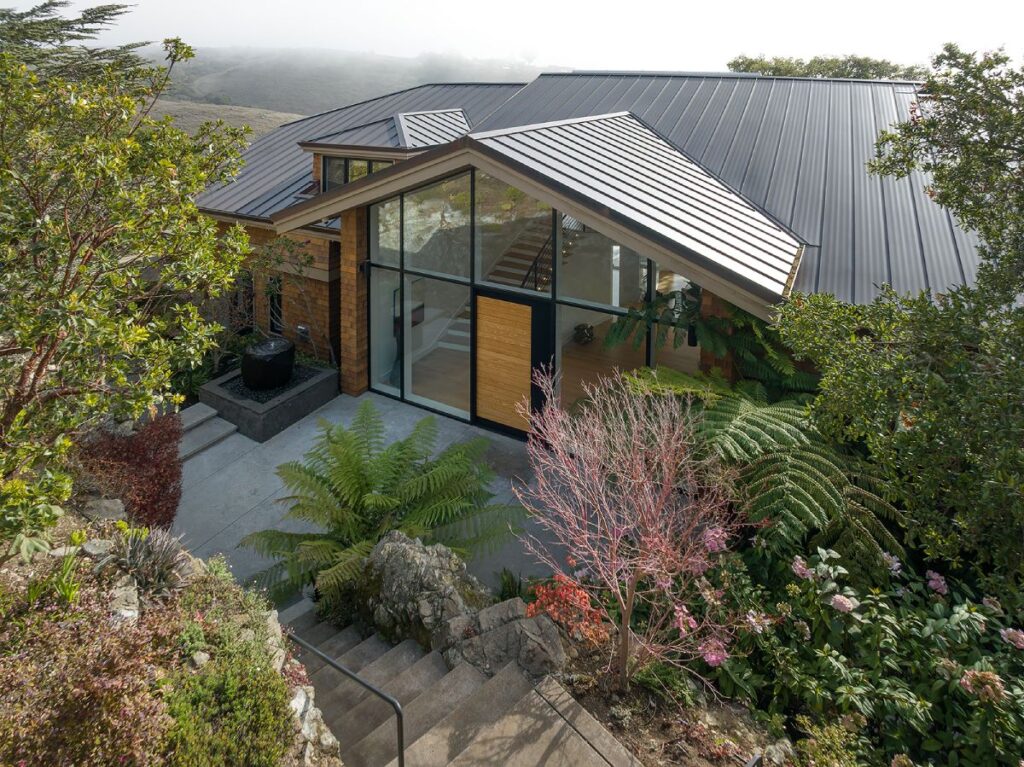
What Homeowners Think Matters vs. What Actually Does
When clients first reach out, they usually focus on aesthetics or square footage. Initially, they focus on how the kitchen and bathrooms will look, whether the design needs to be modern or traditional and how to maximize the square footage within the lot. Those things matter, but they’re not what the city committee looks at to determine whether your project gets approved.
What determines whether you get what you want:
- Understanding how subjective criteria get applied in your neighborhood
- Knowing which arguments to knock down before they surface at review
- Designing just under the threshold that triggers formal opposition
- Presenting the design in ways that make approval the easier path for city staff
- Having someone who knows how far you can push and where to pull back
In San Francisco, getting the design you want requires understanding how to work the approval process strategically, not just following the published guidelines.
Mill Valley project example
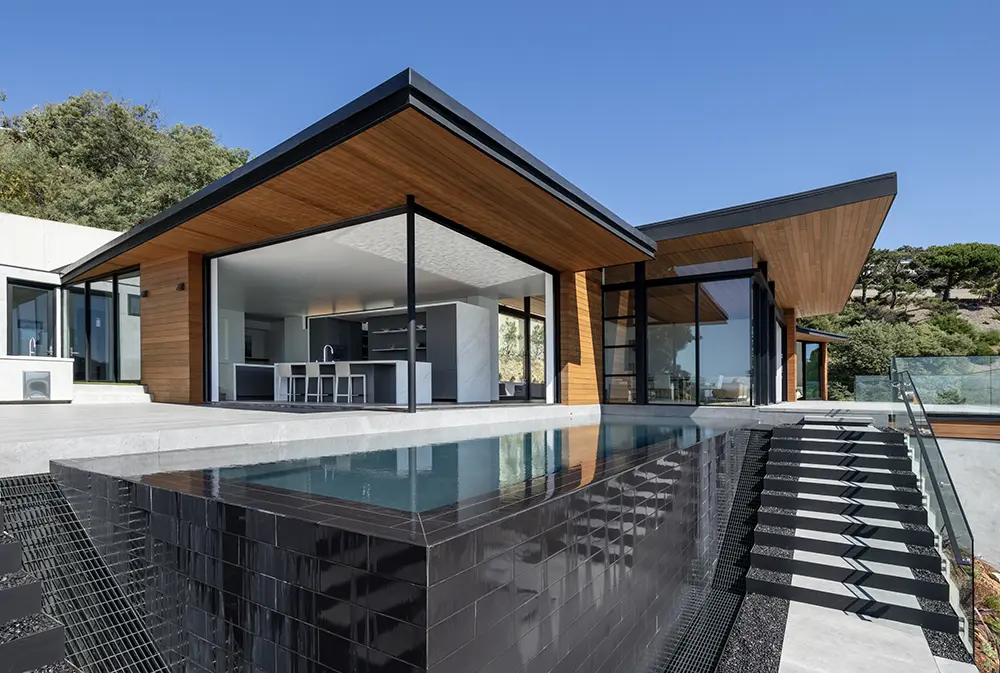
Early in my career, I had clients in Mill Valley who wanted a modern steel and glass house. The planning commission hated it. All seven commissioners said it was inappropriate and couldn’t be approved.
I went back and instead of changing the design, I documented why it worked within the neighborhood context and aligned with design guidelines. I told the commissioners they were wrong and showed them why.
They weren’t happy, but by the third and fourth meetings, after some minor landscaping adjustments, we got unanimous approval. Same design my clients wanted from the beginning.
What I learned was that even when what you’re proposing isn’t what neighbors or the city expect, there are ways to position it so approval becomes possible. You just need to understand the process well enough to work it strategically.
Why San Francisco Custom Home Design Is Different
San Francisco presents conditions that don’t exist in most other markets. These aren’t just obstacles. They’re the realities that determine which architects can deliver what their clients want and which ones can’t.
Steep topography and constrained access are common throughout the city. Many properties sit on hillsides with narrow streets, limited staging areas, and neighbors close by. Design decisions need to account for site logistics, but they also need to account for how those decisions will be received during review.
Zoning requirements are layered and subjective. Height limits, rear yard setbacks, lot coverage calculations, and daylight plane requirements all influence what’s buildable. What’s less obvious is that many of these requirements involve interpretation. Small adjustments in how you present massing, how you justify placement, or how you frame the design narrative can determine whether a project fits within the rules or gets flagged for variances.
Design review processes are where subjective criteria matter most. How much view you can block, how much privacy you can impact, how much mass feels appropriate on a property (these aren’t objective measurements. They’re judgment calls. My job is to design just under the line that triggers resistance, wherever that line happens to be for a given project and neighborhood.
Older housing stock creates functional challenges, but it also creates opportunity. Many San Francisco homes were built in the 1950s through 1970s with layouts that don’t work for how people live today. When clients want to transform these homes, the question isn’t just what’s technically possible – it’s what we can get approved.
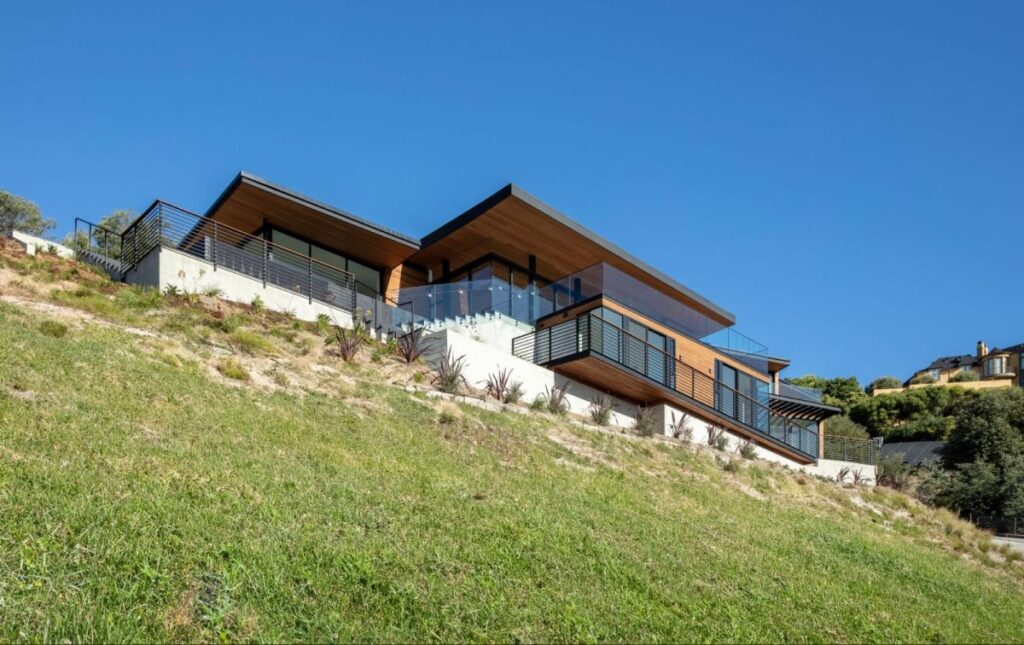
The Real Foundation of Custom Home Design
Designing for What You Want, Then Making It Work
I start by understanding what the client wants. Not what the neighborhood expects or what design guidelines suggest. Then I figure out how to apply the rules to support that vision.
In practice, this means studying how similar projects were reviewed, understanding which planning staff will evaluate your application, and shaping the design presentation so the story makes approval straightforward.
Understanding Who Might Object and Why
When I meet with neighbors or city staff early, it’s not to find out what they want the design to be. I already know what we’re proposing.
I’m there to understand who they are, how hard they might push back, and what their likely objections will be. Then I spend the time preparing, so that when they see the design and start to raise concerns, I’ve already addressed those arguments upfront and have the solutions ready.
One of my projects in Tiburon went through five design review meetings. At the first meeting, all five planning commissioners said “absolutely not”. By the fifth meeting, we had unanimous approval. I didn’t make substantial changes to the design. What changed was how the project was presented and argued.
There are ways to work the process and get what clients want, as long as you understand the subjective criteria well enough and know how to present the project.
Construction Drawings That Protect Your Design
Most architects in the Bay Area submit plan sets that run 10 to 15 pages. Mine typically run 50 to 60 pages. That’s about making sure the design you fought for actually gets built the way it was intended.
When structural details, drainage solutions, and material specifications are all documented clearly, contractors build what’s drawn. This reduces the risk that your design intent gets diluted during construction because details were left open to interpretation.
I draw from a builder’s perspective. I’ve spent decades fabricating, framing, and managing construction. That experience shapes how I detail connections so the built result matches what we got approved.
I Stand Up for You
When you work with Studio Couture, you work directly with me from the first site visit through final construction documents and approvals. There are no handoffs between team members who might dilute your vision or soften the design to make it easier to approve.
What we discuss about what you want carries through to how the project is presented, defended, and built. I’m designing for you, and I’m figuring out how to make that work within the system.
Common Challenges in San Francisco
Hillside Sites with View Conflicts
Hillside properties often involve balancing your desire for views and light with neighbors’ concerns about blocked sightlines.
What usually happens is that neighbors express concerns during the notification period or at design review hearings. When these concerns surface without preparation, they can delay projects.
My approach is to anticipate those concerns early, understand what will actually matter to planning commissioners, and adjust the design where it makes strategic sense. Often, shifting a roofline a few inches or adjusting window placement slightly resolves formal objections without compromising what you’re trying to achieve.
When neighbors see that their perspective was considered, the conversation tends to shift from opposition to acknowledgment. That doesn’t mean I’m designing for them. It means I’m removing obstacles before they become problems.
Outdated Homes on Premium Lots
Many San Francisco properties have great locations but outdated homes. The question becomes whether to remodel or pursue a complete rebuild.
In practice, this decision often comes down to what’s viable in your neighborhood as much as what’s structurally sound. Remodels can sometimes navigate approvals more easily because they feel less disruptive to neighbors, even when the end result is functionally a new house.
Permitting Uncertainty
Clients often worry about whether the city will approve their project, and that uncertainty is real. San Francisco’s process involves subjective criteria and multiple review steps.
What reduces that uncertainty is having someone who understands how far you can push, where the subjective lines are, and how to position your project so approval is the path of least resistance for city staff.
I’ve maintained a 100% approval record over 25 years not because every project follows the rules perfectly, but because I’ve developed an instinct for what we can get away with and what we can’t. That judgment is what allows me to deliver what clients want without projects getting denied.
Frequently Asked Questions
How long does custom home design take in San Francisco?
The timeline depends on project complexity and how strategically the permitting process is handled. Schematic design typically takes 2 to 3 months. Construction documentation adds another 2 to 4 months. Permitting timelines vary based on how well the project is positioned and whether objections surface. Ground-up builds generally take 12 to 18 months from design through construction.
What’s the difference between remodeling and rebuilding?
In San Francisco, the choice often depends as much on approval dynamics as on structural conditions. Remodels can sometimes navigate neighborhood politics more easily, even when the scope is extensive. Rebuilds provide cost clarity and allow for better integration of modern systems, but they can face more scrutiny during review.
Do I need design review for my project?
It depends on location, scope, and zoning. Some neighborhoods require formal design review for new construction or significant exterior changes. Early research clarifies which process applies and how to position your project for the smoothest path through it.
How do you handle neighbor opposition?
I anticipate likely objections early and address them before they become formal opposition. That might mean adjusting minor details that don’t compromise your goals, or it might mean building support with planning staff so objections don’t gain traction during review. The goal is to address the concerns and remove obstacles early.
Why work with a principal-led firm?
Larger firms often involve handoffs between designers, project managers, and production staff. Each handoff introduces the risk that your vision gets diluted to make approvals easier or construction simpler. You work directly with the person who’s standing up for what you want throughout the entire process.
Next Steps
If you know what you want for your home and you’re looking for someone who will fight for that vision, schedule a consultation with me.
We’ll walk the site together, discuss what you’re trying to achieve, and I’ll give you my honest assessment of how to make it work within San Francisco’s approval process.→