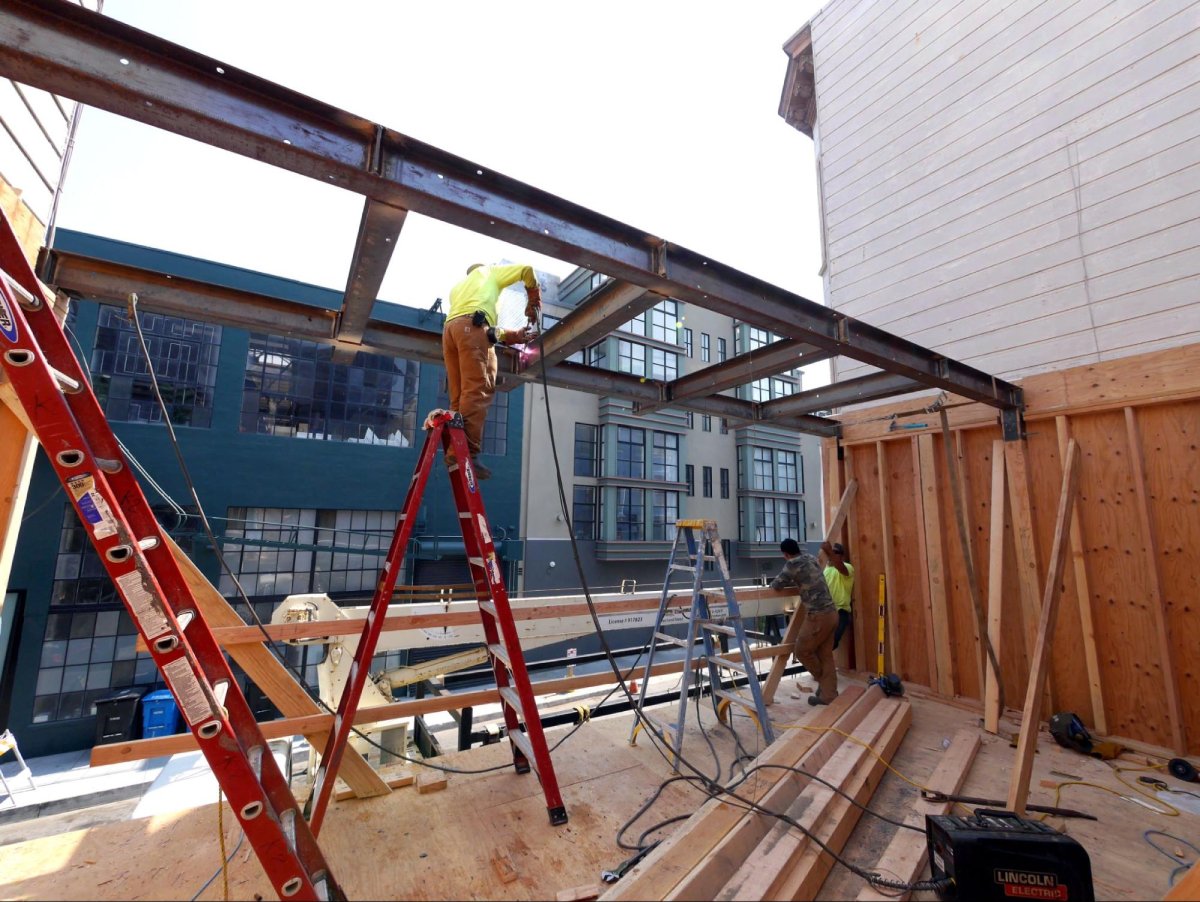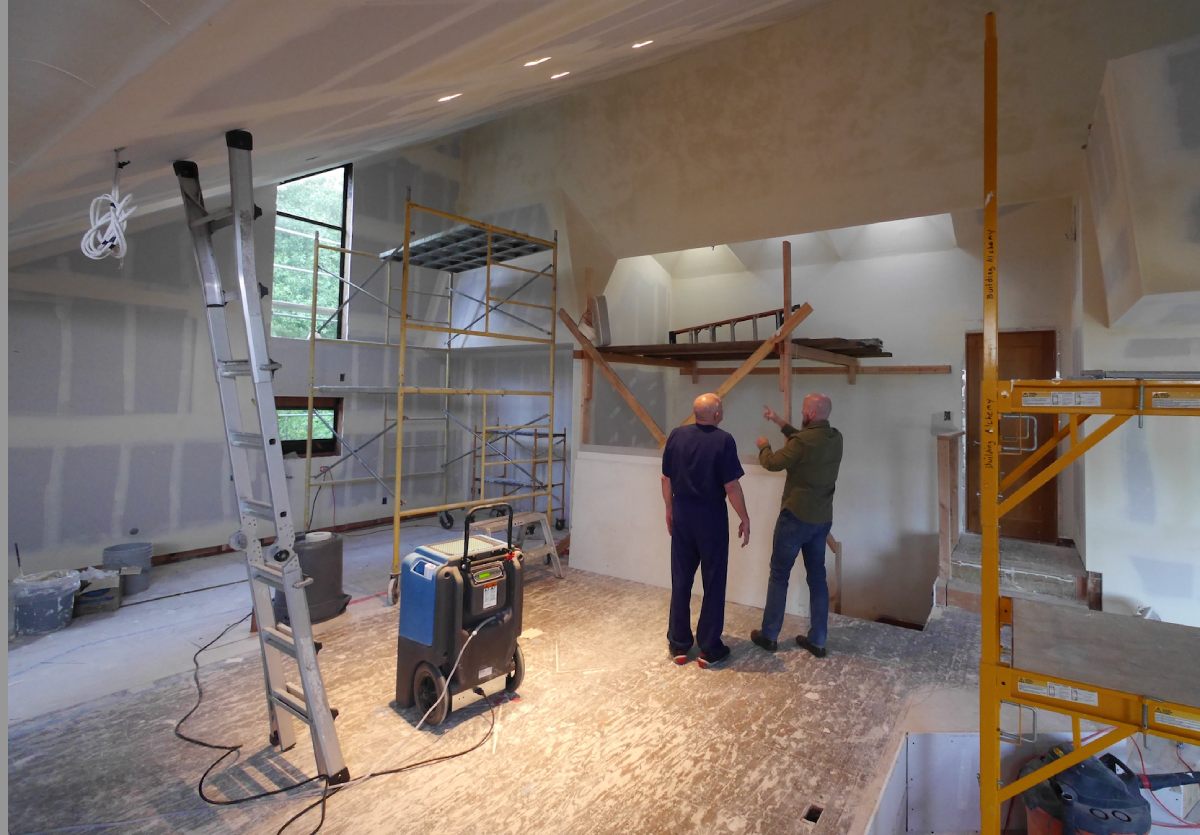
Most San Francisco remodels don’t run into trouble because the contractor was careless or the budget was unrealistic. Issues usually arise when interior decisions aren’t fully architected early on.
I see this pattern constantly. Homeowners often come to me after projects have slowed due to revised drawings and unresolved interior decisions.
The design looked good at first glance. The permit set was submitted. Construction even started in some cases. Then everything slowed down or stopped altogether.
What went wrong was not obvious at the beginning. The problem was that the interior decisions were never fully resolved as architecture. They were treated as something that could be figured out later, on site, or by the contractor. In San Francisco, that approach almost always backfires.
This is where interior architecture plays a critical role. Not decoration or finishes, but architecture that supports how the house actually works.
The Assumption That Causes Most Remodel Problems
Most homeowners assume interior decisions can come later. They think the architect handles the structure, the city reviews the exterior, and the inside can be refined as the project moves forward. On paper, that sounds reasonable.
In practice, it creates a series of predictable issues.
Interior layouts drive structural changes, mechanical systems, stair design, ceiling heights, and code compliance. When those decisions are vague or incomplete, the city notices. Reviewers and contractors notice these gaps quickly. By the time construction starts, everyone is asking questions that should have been answered months earlier.
San Francisco does not allow much flexibility once a project is under review or under construction. The margin for error is slim. Unresolved interior conditions often surface as corrections, redesigns, or added review time.
What an Interior Architect Actually Does
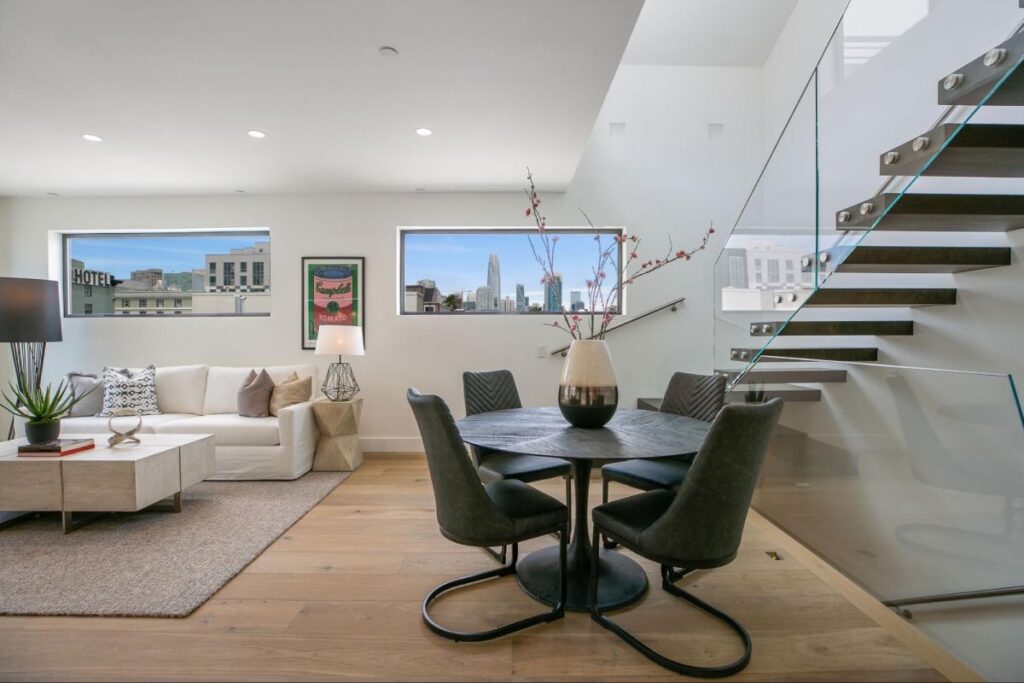
An Interior Architect is not a stylist and not a decorator. The role is architectural at its core.
Interior architecture is responsible for how the house actually works. It connects structure, circulation, systems, and daily use into one cohesive plan. When this role is missing, the project becomes fragmented.
Interior architecture addresses things like:
- How rooms relate to each other structurally and spatially
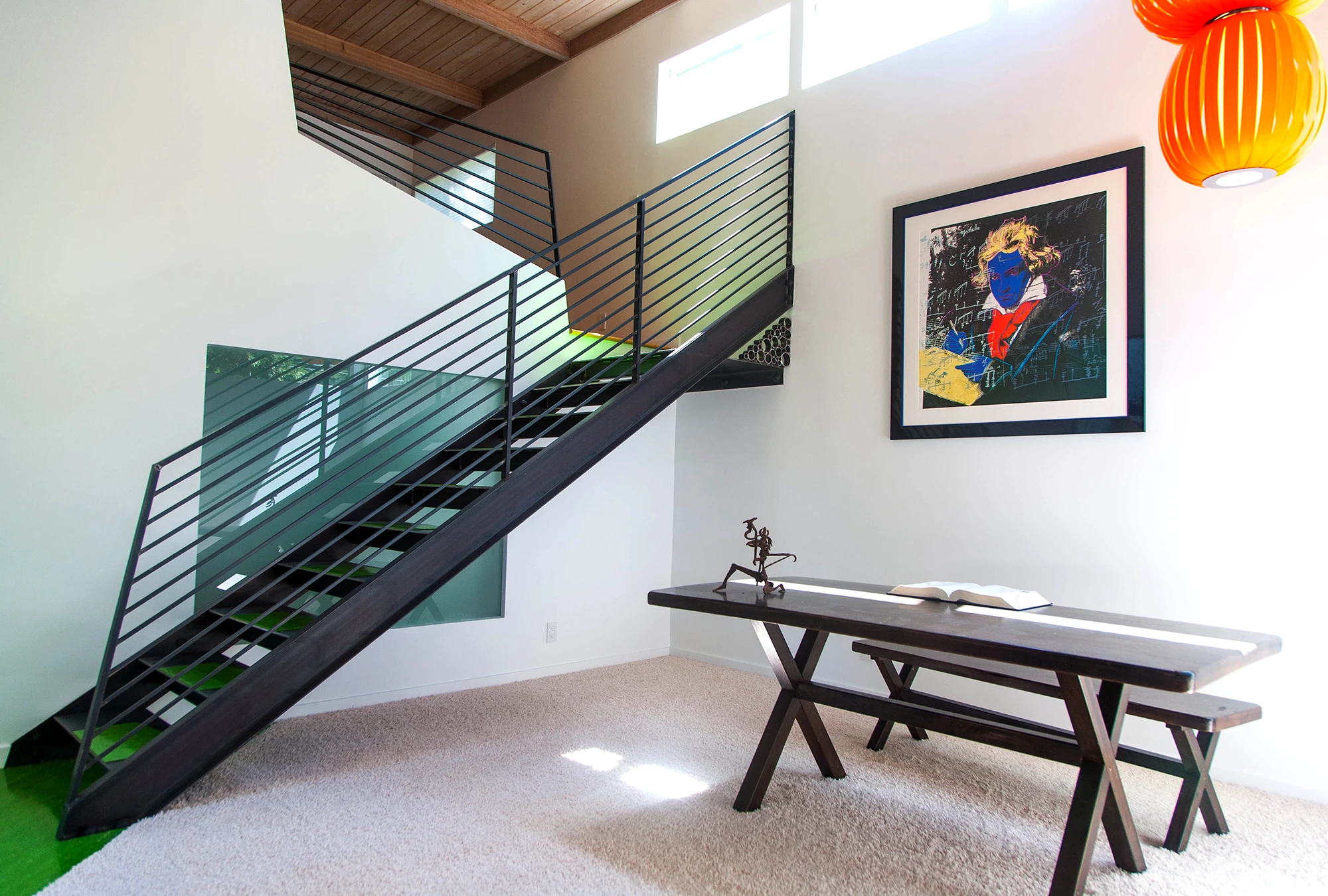
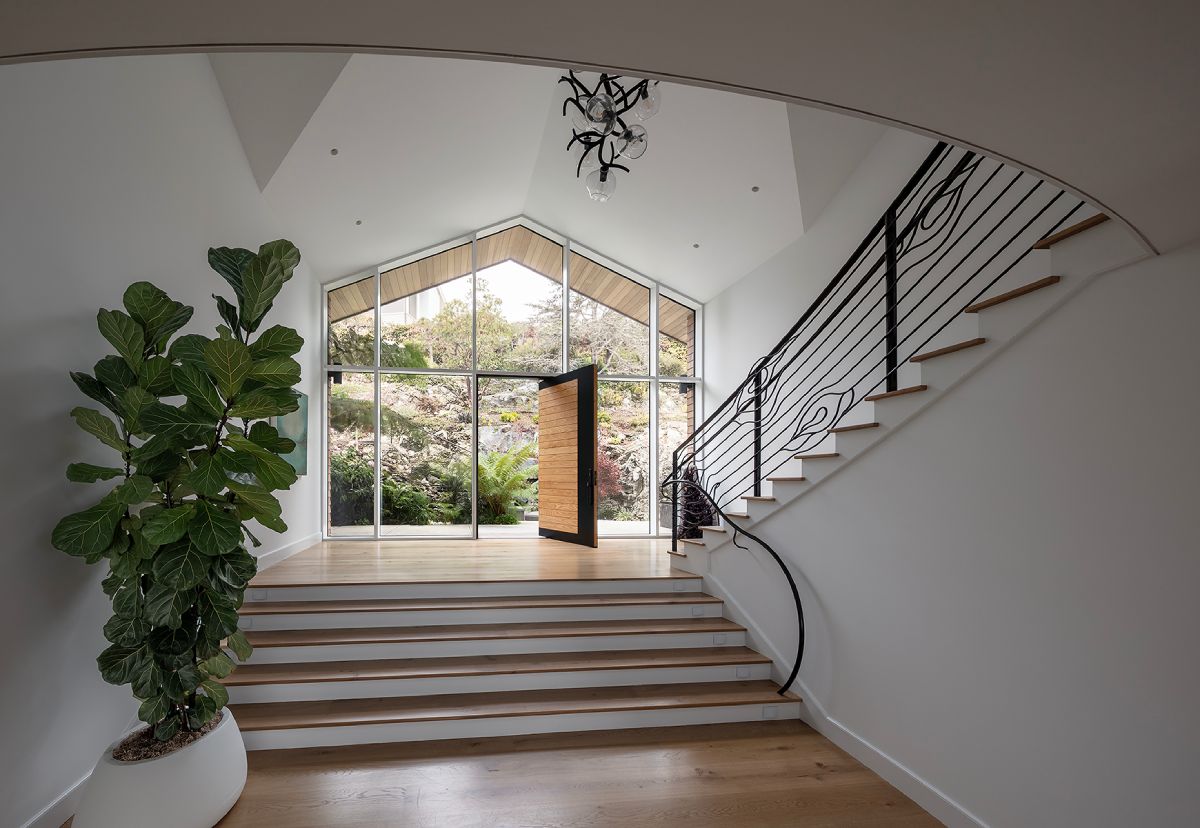
- Stair geometry, headroom, and landing to ensure safety and comfort
- Suspended ceilings and their transitions to conceal and organize building services like HVAC, electrical, and plumbing
- Kitchen and bath layouts that align with plumbing and structure
- Electrical and lighting coordination that works with framing
- Code compliance inside the envelope, not just at the exterior
These decisions are not cosmetic. They determine whether a project can be permitted and built without rework.
How Remodels Break Without Interior Architecture
When interior architecture isn’t resolved early, projects tend to follow a familiar pattern.
The project starts with a general layout that looks fine but lacks detail. The permit set is submitted with assumptions baked in. Planning or building departments issue corrections because interior elements conflict with structure, code, or systems.
The drawings are revised. Sometimes multiple times.
Contractors receive a set of plans that answer many questions, but still leave room for interpretation. They stop work to ask for clarification. Each clarification leads to a redraw. Each redraw introduces more delays.
Change orders may follow, and timelines can begin to stretch.
None of this feels dramatic in the beginning. It builds slowly. By the time the homeowner realizes the project is in trouble, the cost of fixing it is far higher than the cost of doing it right from the start.
Why San Francisco Makes This Worse
San Francisco requires a high level of clarity when it comes to design.
Most homes here are older, often built decades ago with layouts that do not align with modern living or current codes. Many sit on tight lots with close neighbors, limited access, and strict zoning overlays. Design review boards and inspectors are strict and expect detailed drawing set submissions.
Interior conditions are scrutinized because they affect:
- Egress and life safety
- Structural modifications
- Fire separation and ratings
- Accessibility requirements
- Mechanical and energy compliance
If interior architecture is unresolved, the city sees risk. Risk leads to corrections. Corrections lead to delay.
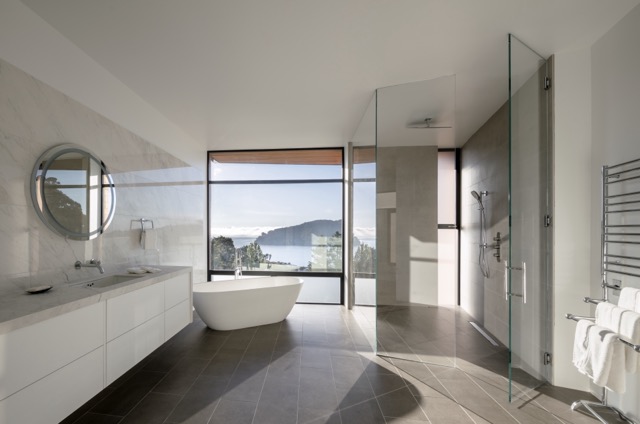
Interior Architecture Is a Permitting Strategy
Most people do not think of interior architecture as part of the permitting strategy. In reality, it is one of the most important components.
When the interior is fully architected, the permit set tells a complete story. Reviewers can see how the house functions, how systems align, and how code requirements are met. There is less room for interpretation, which often results in smoother reviews.
I design interior architecture with permitting in mind from the beginning. That means resolving details early, not deferring them. It also means drawing everything clearly so the city, the contractor, and the homeowner are all looking at the same solution.
What We Do Differently at Studio Couture
At Studio Couture, we do not separate interior architecture from the rest of the design. I work as both an architect and a builder, which means I understand how decisions on paper translate to the site. We resolve interior layouts, transitions, and systems before plans go to the city. That level of clarity reduces friction at every stage.
Our construction drawings are detailed because they need to be. They are not just for approval. They are for building. When contractors receive our plans, they are not guessing intent or filling in gaps. The information is there.
This approach doesn’t add complexity. It brings clarity and momentum to the process. The result is fewer surprises, fewer revisions, and a process that keeps moving forward.
Who This Matters For
Interior architecture matters most to homeowners who value clarity and control. For people who want a project that moves forward without constant intervention.
Most of my clients are busy professionals. They want a house that works for how they live, and they want the process to be predictable. They understand that resolving complexity early costs less than fixing it later.
This approach is especially important for remodels that involve structural changes, stairs, kitchens, baths, or significant reconfiguration. These are the projects where interior architecture determines success or failure.
Common Questions I Hear From Homeowners
Do I really need an Interior Architect for a remodel? – If the remodel affects layout, structure, or systems, yes. Those changes require architectural coordination, not just design ideas.
Can’t a contractor handle interior decisions? – Contractors are essential, but they should be building from detailed plans. Asking them to design in the field leads to change orders and delays.
Is this only for large projects? – No. Smaller projects can suffer just as much if interior decisions are unclear. Scale does not reduce complexity.
Does this slow the process down? – It actually speeds it up. Time spent resolving decisions early saves far more time during permitting and construction.
The Real Cost of Skipping Interior Architecture
The impact isn’t just financial. It often shows up as lost time and unnecessary complexity.
Most failed remodels did not start as bad ideas. They started with incomplete ones.
Interior architecture is what turns a remodel into a coordinated system instead of a series of reactions. In San Francisco, that distinction matters.
If you are planning a remodel and want to understand whether interior architecture should play a role in your project, I am happy to talk it through. A clear conversation early on often sets the project up for a smoother path forward.
Schedule a consultation with me, and we can look at your project and identify the risks.