Most homeowners I meet in San Francisco start with the same assumption: “We’re renovating, not building new, so this should be straightforward.” In most cities, that might be true. In San Francisco, sometimes it is not.
Between older housing stock, tight zoning, design review requirements, and close neighbors, a home renovation here often crosses the line from construction work into a full architectural project. That’s usually the moment people realize they need more than a contractor; they need a construction experienced architect in San Francisco who understands how design, permitting, and construction all intersect.
I’ve spent decades renovating homes across San Francisco, and the difference between projects that move smoothly and those that stall almost always comes down to how early architectural thinking is applied.
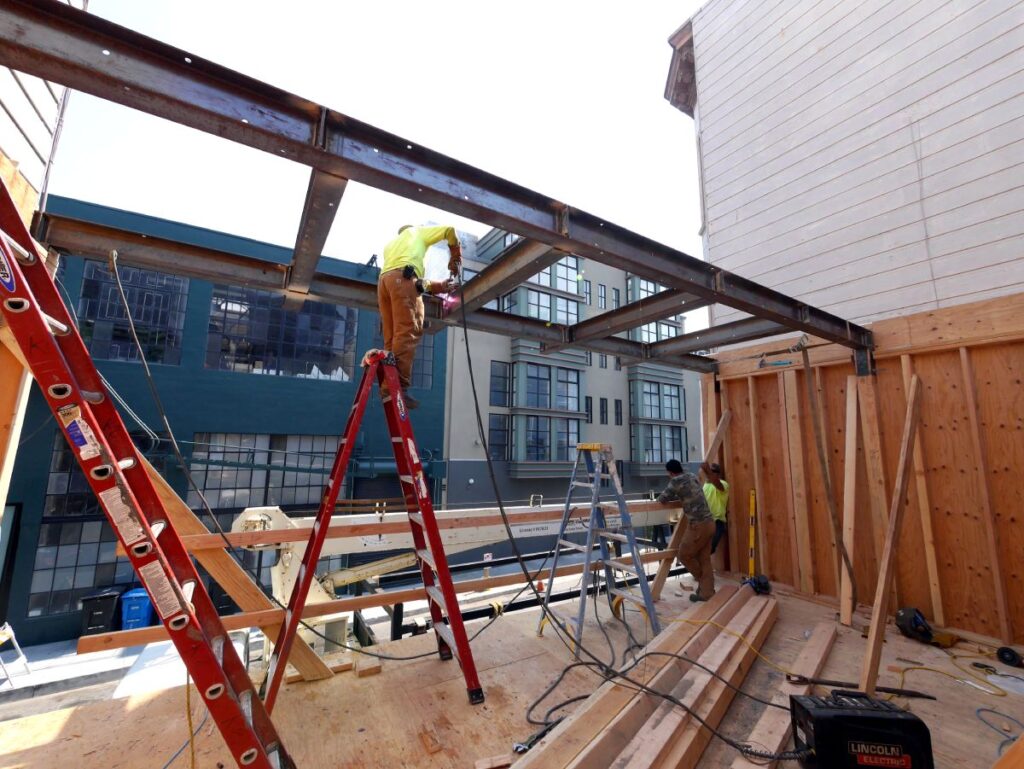
Why Home Renovation in San Francisco Is Different
San Francisco’s housing stock tells the story. Many homes were built between the 1900s and the 1970s, long before today’s codes, expectations, and lifestyles. Renovating those homes means dealing with:
- Outdated structural systems
- Compartmentalized floor plans
- Tight lots with limited access
- Height limits, setbacks, and daylight plane rules
- Design review boards and neighborhood notification
- Neighbors who are understandably protective of views and light
In this environment, a renovation isn’t just about updating finishes. Every structural move, window change, or addition has implications for zoning, design review, and approval. When those implications aren’t considered early, projects lose months, or never get approved at all.
That’s why I approach San Francisco home renovation as an architectural problem first, not a construction task.
When a Home Renovation Actually Requires an Architect
Not every renovation needs an architect. But many more do than homeowners expect.
In San Francisco, you should be talking to an architect if your renovation involves any of the following:
- Reconfiguring the layout, not just updating finishes
- Removing or adding structural walls
- Adding square footage or expanding vertically
- Changing the exterior appearance
- Triggering design review or discretionary review
- Working on a site with tight zoning constraints
- Dealing with concerned neighbors or shared property lines
These aren’t edge cases. They’re common. And once a renovation hits any of these points, it stops being a contractor – led project and becomes an architectural one. As a home renovation architect in San Francisco, my role is to anticipate these triggers and design around them before they become problems.
Common Renovation Mistakes I See in San Francisco
After years of working here, a few patterns show up again and again.
Starting with a contractor too early
Contractors are essential, but if design decisions are being made before zoning and design review are fully understood, revisions are inevitable. Those revisions cost time and money.
Treating drawings like paperwork
In San Francisco, drawings aren’t just documentation. They’re strategy. A thin set of plans invites corrections, objections, and delays.
Underestimating design review
Design review isn’t subjective guesswork if you understand how boards think. But when it’s treated as a formality, projects get stuck responding instead of moving forward.
Assuming permits are administrative
Permits here are not rubber – stamped. They’re the result of dozens of design decisions lining up correctly. Miss one, and the whole process slows down.
None of these mistakes comes from bad intentions. They come from underestimating how interconnected renovation, design review, and permitting really are in San Francisco.
How I Approach Home Renovation at Studio Couture
I work differently from most firms, and that’s intentional.
I lead every project personally-from the first site walk through design, review, and construction drawings. There are no handoffs. What I design is what gets built.
My background as both an architect and a builder shapes how I approach renovation. I don’t draw abstract concepts and hope they work in the field. I design with construction logic, permitting requirements, and sequencing in mind from the start.
That’s why my construction drawing sets are typically 50–60 pages, not the industry standard 10–15. They anticipate:
- City comments before they’re issued
- Structural questions before contractors ask
- Drainage, access, and staging constraints
- Neighbor concerns before they escalate
For a San Francisco home renovation, that level of detail is what keeps a project moving. It reduces revisions, shortens review cycles, and gives builders clarity instead of guesswork.
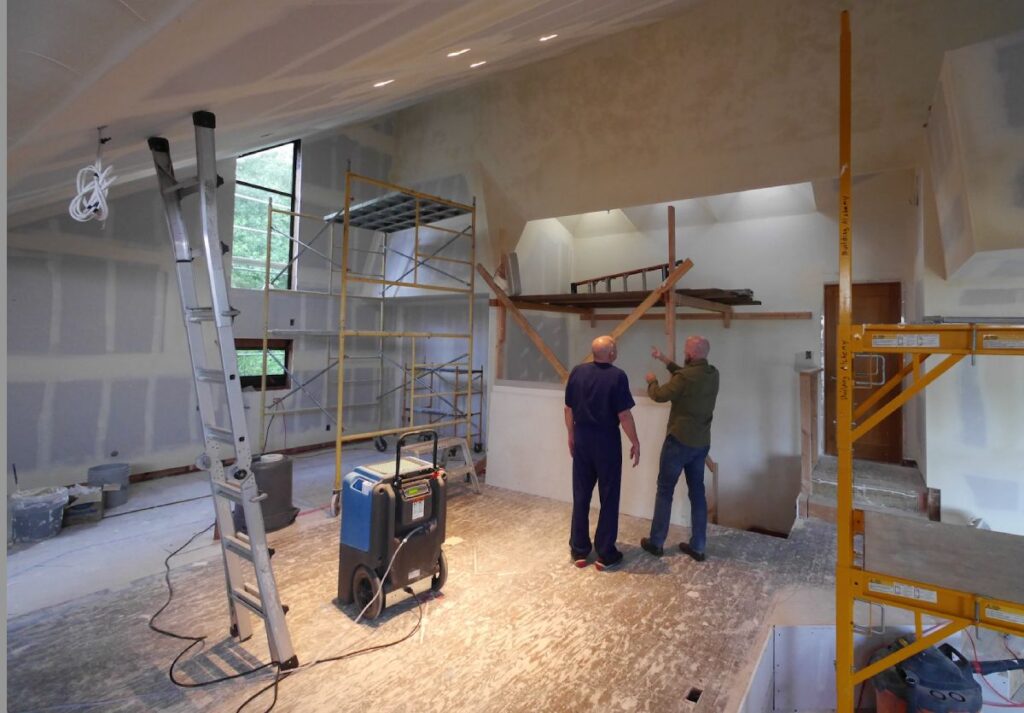
Design Review, Permits, and Neighbors in San Francisco
Design review boards and planning staff aren’t trying to stop projects. They’re trying to protect neighborhood character, light, privacy, and code compliance. When a design aligns with those priorities, approvals come faster.
I design with those expectations built in.
That means modeling sightlines early, shaping rooflines carefully, and explaining design intent clearly through the drawings themselves. It also means addressing neighbor concerns proactively-sometimes by visiting adjacent properties, sometimes by adjusting the design by inches instead of feet.
Most opposition isn’t about design quality. It’s about uncertainty. When a project is clearly thought through, concerns tend to soften. This is where working with a renovation architect in San Francisco makes a measurable difference. The design isn’t just about how the house looks-it’s about how convincingly it moves through review.
What Changes When You Work With a Home Renovation Architect
When renovation is treated as an architectural process instead of a construction exercise, a few things change:
- Fewer rounds of city corrections
- Less back-and-forth during design review
- Clearer communication with contractors
- Fewer surprises once construction starts
Most importantly, decisions are made once, correctly, instead of being revisited under pressure later.
For homeowners, that means less time managing issues and more confidence that the project is actually moving toward completion, just reacting to the next problem.
Renovating an Older Home in San Francisco
Older homes make up a huge portion of my renovation work. These houses often have great bones and great locations, but they weren’t designed for how people live today.
Common goals include:
- Opening up dark, compartmentalized layouts
- Improving circulation and accessibility
- Connecting indoor and outdoor spaces
- Bringing in more light without triggering neighbor pushback
- Updating systems while respecting the existing structure
Each of those goals affects structure, permitting, and design review. That’s why I treat older home renovations as reinventions, not upgrades. The goal isn’t to decorate the past – it’s to make the house work for the next several decades.
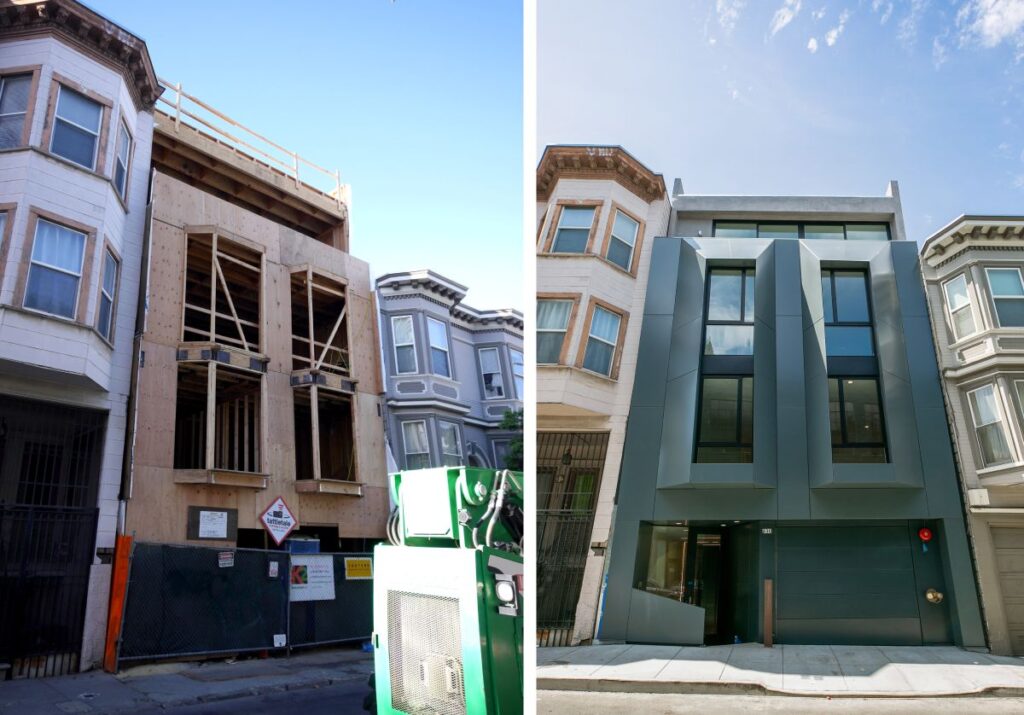
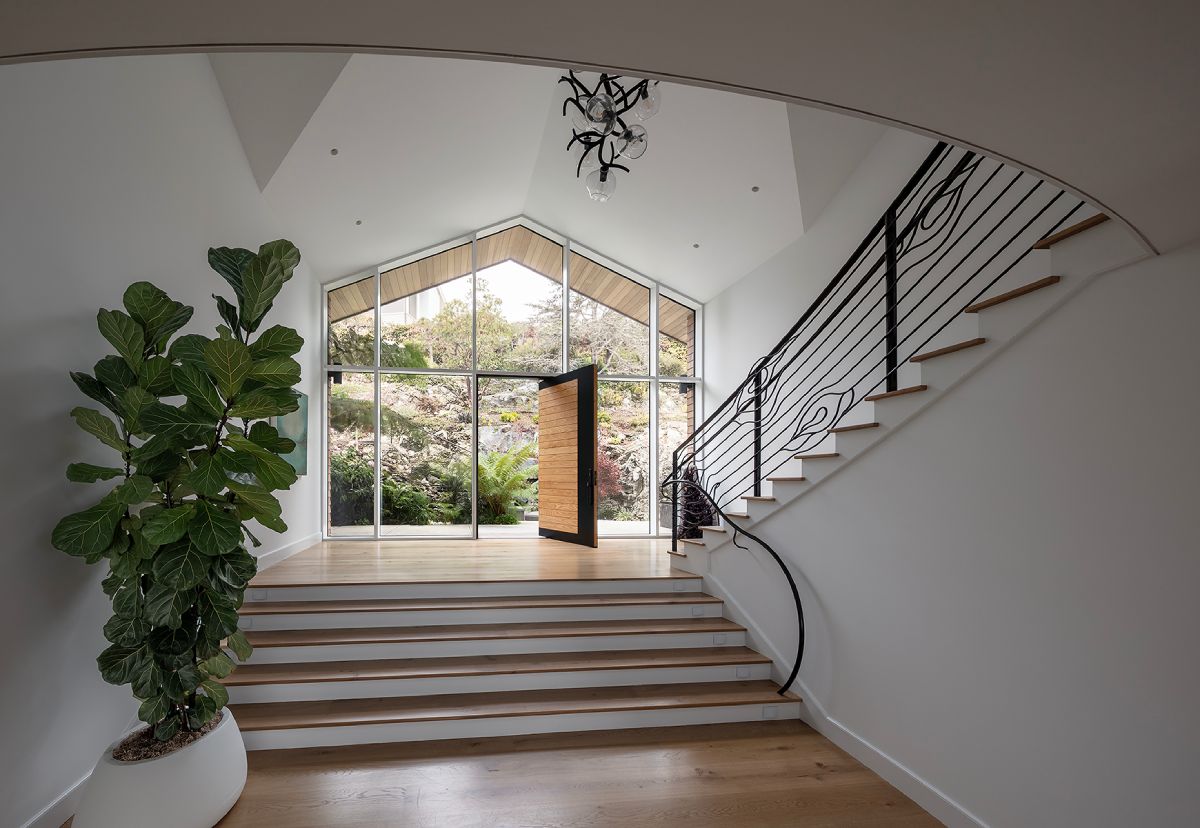
A good example of this approach is a recent renovation I completed in Marin County. The house had a dated, fragmented layout and sat on a site with real constraints: steep terrain, concerned neighbors, and a permitting process that could have easily stalled the project.
By rethinking the structure, modeling sightlines early, and producing a detailed, permit-ready drawing set, we were able to address city concerns before they became objections and move the project forward without delays.
The same principles apply in San Francisco. Older homes demand a level of foresight that goes beyond surface improvements. When structure, layout, and approvals are considered together from the start, the renovation process becomes far more predictable, and the finished home actually works for the way its owners live.
Is a Home Renovation Architect Right for Your Project?
Working with a home renovation architect in San Francisco makes sense if:
- Your project involves structural or layout changes
- You’re navigating zoning, design review, or permits
- You want decisions made upfront, not mid-construction
- You value clarity over speed at the expense of mistakes
It’s probably not the right fit if:
- You’re planning a cosmetic refresh
- No permits are required
- The scope is limited to finishes only
In San Francisco, renovations fail or succeed long before construction starts. They succeed when design is treated as strategy, drawings are treated as tools, and permitting is designed into the process, not reacted to later.
That’s the role of an architect with home renovation experience. Not to complicate the project, but to simplify the path from idea to approval to construction.
If you’re planning a serious home renovation in San Francisco and want clarity before committing to construction, schedule a consultation with me.
I’ll walk the site, talk through feasibility, and outline what it will actually take to get your project approved and built.