Why the Difference Matters More Than You Think
Most of the time, when I meet a client for the first time, they use “interior designer” and “interior architect” interchangeably. I understand why – both are about what happens inside a home. But in my world, that distinction makes or breaks a project.
Over the years, I’ve seen beautiful interiors fail because the underlying structure wasn’t designed to support them. I’ve also seen homes where the architecture was so rigid that no amount of interior design could make them feel comfortable or connected. That’s where the idea of interior architecture comes in – and why it’s a core part of how I design.
What I Mean by “Interior Architecture”
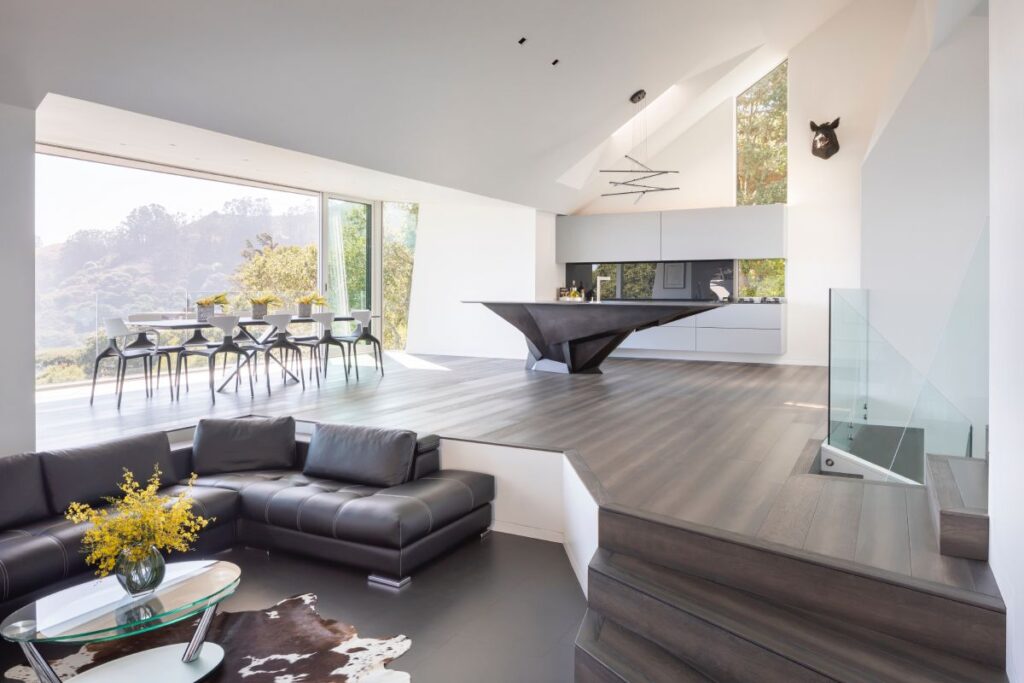
When I talk about interior architecture, I’m talking about designing from the inside out. It’s not decoration, and it’s not styling. It’s the architecture of how you live – how light moves through a room, how you circulate between spaces, how structure and systems quietly support the way you want to use your home.
I think about the bones of the house – where the walls land, how ceilings transition, how plumbing and HVAC fit into the geometry. I’ve always believed that the best interiors come from solid architecture first. If the structure doesn’t make sense, no amount of finishes will fix it later.
That mindset comes from being both an architect and a builder. I’ve spent decades drawing details that I’ve also built with my own hands – in wood, metal, and concrete. So when I draw a wall section, I’m not thinking about how it looks in a rendering; I’m thinking about how a contractor’s going to frame it, how the light’s going to hit it at 4 p.m., and how the shape affects your daily living.
Where Interior Design Fits
Interior design absolutely matters. It’s what gives a home its tone – the materials you touch, the colors you see, the textures you live with every day. But design works best when it has a strong architectural foundation to stand on.
I’ve collaborated with some excellent interior designers over the years. The projects that go well are the ones where we start from a shared framework – where the plan, lighting, and structure already support their aesthetic ideas. When the architecture anticipates those choices, the results feel effortless. When it doesn’t, the project becomes reactive – constant revisions, re-coordination, and compromises that could’ve been avoided.
That’s why many of my clients come to me before they even start thinking about finishes or furniture. They want to make sure the layout, light, and structure are right before anything else. Once that’s in place, the rest of the design process flows naturally.
Why the Distinction Matters in the Bay Area
In Marin and San Francisco, this distinction isn’t theoretical – it’s practical. Every lot here comes with some sort of complexity: steep slopes, narrow access, design review, or all three. You can’t separate architecture from interiors because the two are inherently tied by those constraints.
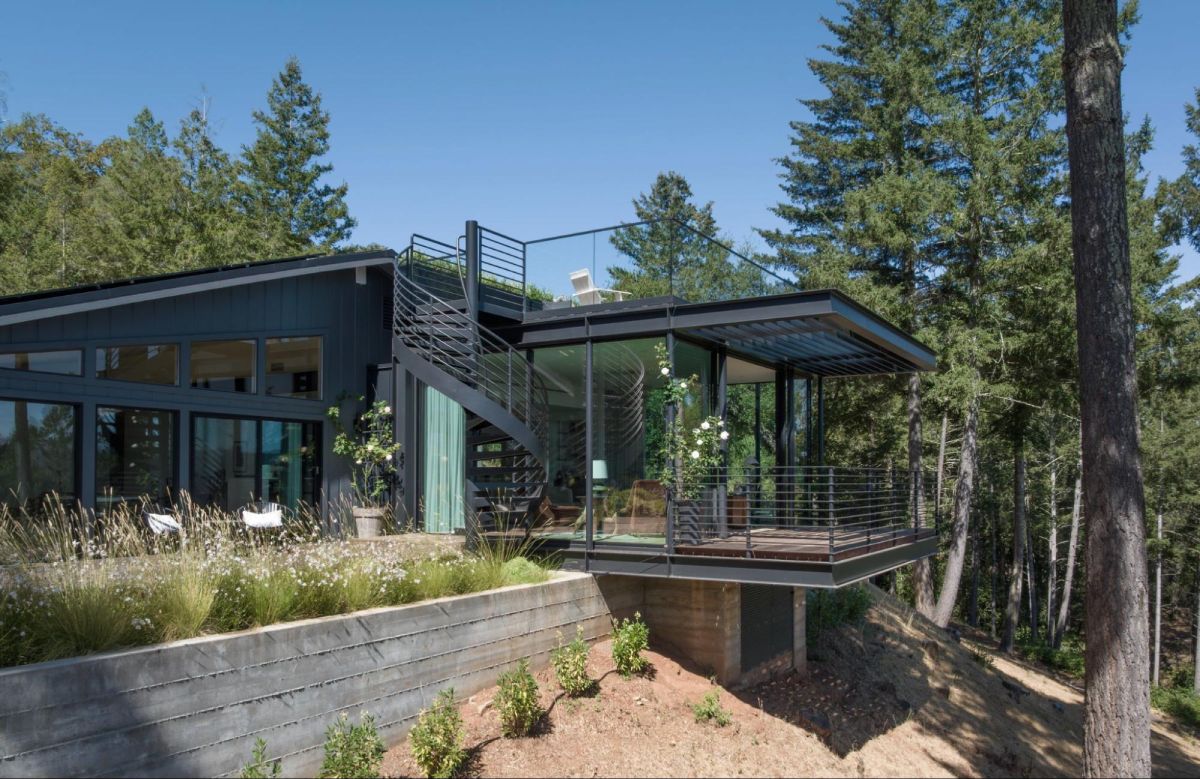
A hillside home in Sausalito might require a structural gymnastics routine just to achieve an open-plan living area. In Tiburon, view preservation rules can dictate where you place your windows – or whether you can have them at all. These are problems you solve at the architectural level, well before furniture layouts.
That’s why I start every project by studying the site as a system – slope, sun, wind, and views. From there, I begin designing the interior spaces as part of that system, not as an afterthought. The goal is to make the home feel inevitable, as if it couldn’t have been designed any other way.
Designing From the Inside Out
When I’m developing a home, I think about how it feels to live in it – where you make coffee in the morning, where you watch the sunset, where your art hangs, how sound moves between rooms. That’s interior architecture. It’s not about decoration; it’s about how every element supports daily life.
One example that comes to mind: a home I designed in Mill Valley for a couple who collect art. They wanted bright, open spaces but also wall space to hang large pieces. If we had treated architecture and interiors separately, we’d have fought each other – the designer chasing openness, the architect needing walls. Instead, by designing both together, we aligned ceiling heights, glazing, and lighting around their art and lifestyle. The result feels calm, intentional, and livable – not “decorated,” but complete.
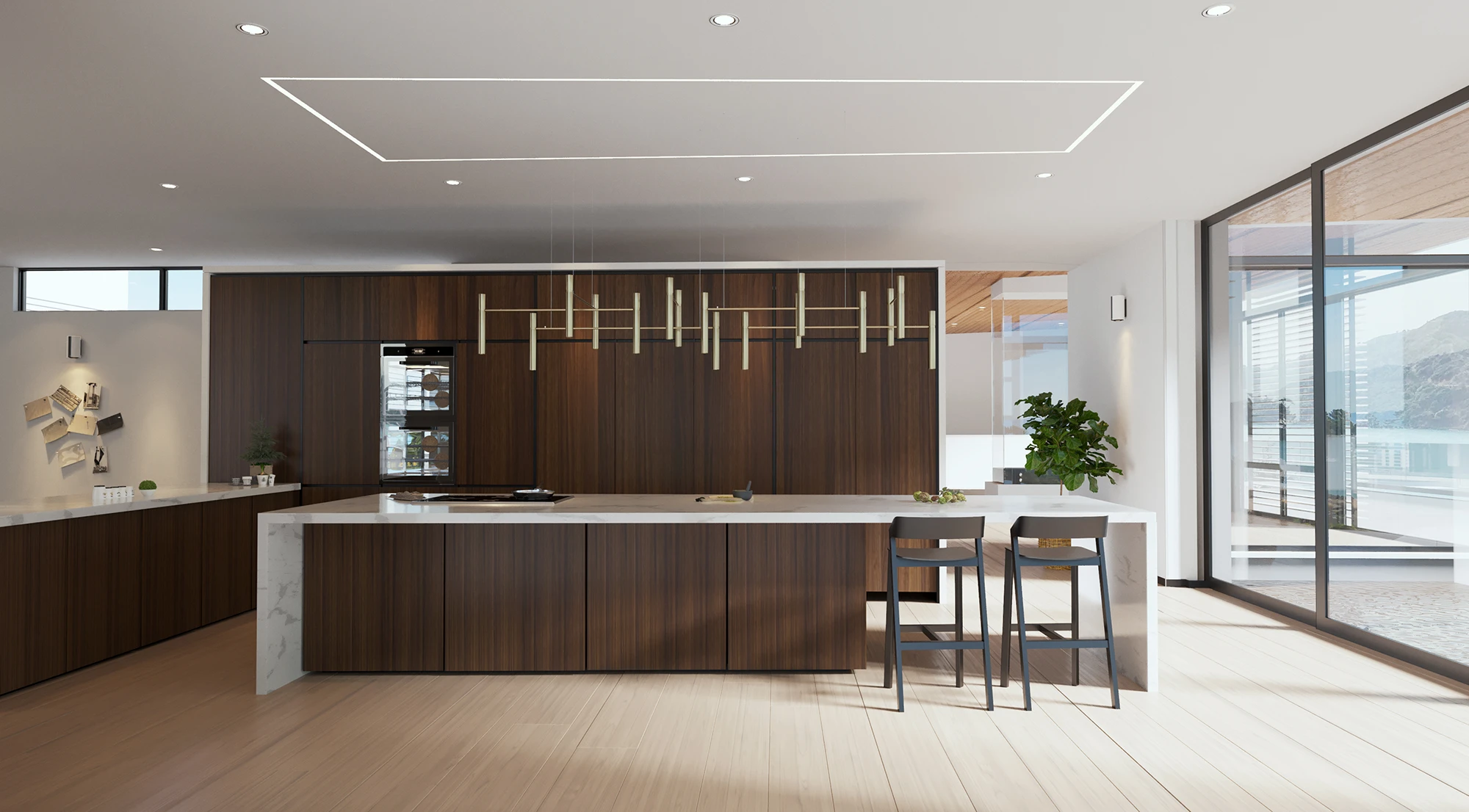
That project also reminded me how many problems you can prevent by thinking like a builder while you design. Every soffit, recess, and alignment was coordinated with HVAC, lighting, and framing from day one. When construction started, there were no “field fixes.” The contractor told me later it was one of the smoothest builds he’d worked on. That’s the power of integrating interior architecture into the design process.
The Misunderstanding I See Most Often
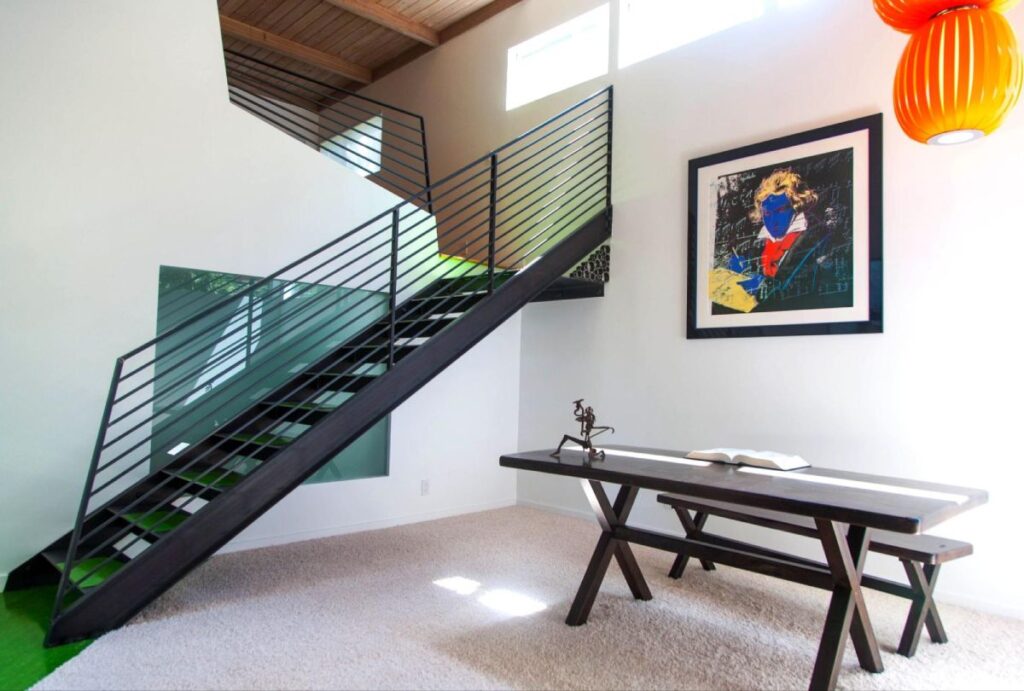
A lot of people assume interior design can fix poor architecture. It can’t. You can make a dated home look beautiful, but if the structure fights the way you live – if the kitchen’s isolated, the ceiling’s too low, or circulation doesn’t make sense – it’s still not going to feel right.
That’s why I tell clients: before you pick finishes, fix the bones. We can always layer in the design later, but we can’t make bad architecture good with furniture.
On the flip side, some architects dismiss interiors as superficial. That’s just as wrong. The best architecture doesn’t stop at drywall. It flows all the way through the details – cabinetry, lighting, and even the way materials meet. Good architecture feels like interior design because it already includes it.
Integration vs. Handoffs
Many architecture firms separate the two – one team handles the structure, another deals with finishes. The problem with that model is translation. Ideas get lost, drawings contradict each other, and by the time it reaches the field, nobody knows which version to build from.
At Studio Couture, I handle both. Clients work directly with me from concept through construction drawings. That means no handoffs, no diluted communication, and no guessing. I draw everything with construction logic built in – typically 50 to 60 pages per project. Those drawings serve both the city and the builder, so the project moves through permitting and construction without friction.
It’s a simple idea: when one person oversees everything, everything aligns.
Why This Approach Saves Time and Money
Some people assume that doing more – architecture and interiors together – must cost more. In reality, it usually saves both time and budget. You avoid redundant work, endless redesigns, and contractor “interpretations” in the field. When the drawings are clear and complete, everyone downstream can do their job faster and better.
The result isn’t just efficiency – it’s predictability. You know what you’re building, how it will perform, and how it will feel. That’s what clients ultimately want: clarity.
A Personal Take
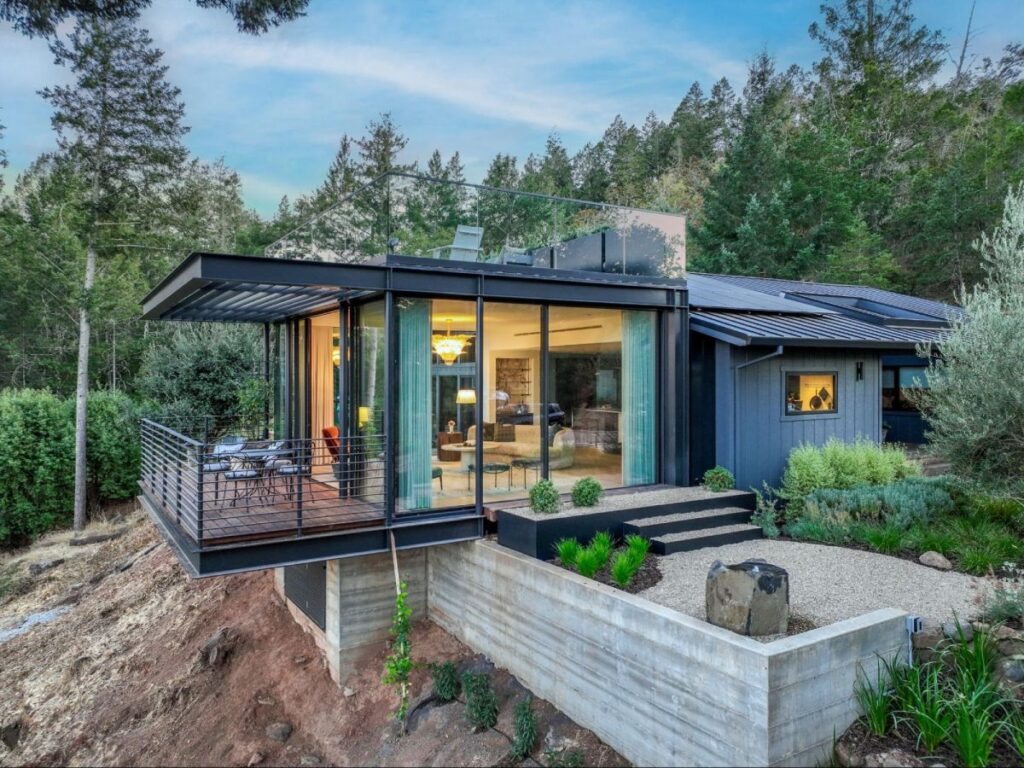
After thirty years in this field, I’ve realized that interior architecture is where design and construction truly meet. It’s the point where ideas stop being conceptual and start becoming real. It’s also where most projects fall apart – when those two worlds aren’t connected.
For me, the difference between interior architecture and interior design isn’t academic. It’s the difference between a home that just looks good and one that lives well. When you get the architecture right – the proportions, the light, the structure – you create a foundation that makes every other decision easier and every design detail more meaningful.
If you’re remodeling or rebuilding in Marin or San Francisco, the best advice I can give you is this: start with the architecture. Not because interior design doesn’t matter, but because everything depends on it. Once the structure and spatial logic are right, interior design becomes a joy instead of a struggle.
At Studio Couture, that’s how we work – one process, one point of contact, and a single, coherent vision from the first sketch to the final finish.
If that sounds like the way you want to approach your home, let’s talk.
We’ll look at your space, your lifestyle, and how interior architecture can turn your house into a place that truly works – from the inside out.