Modern Sausalito Yurt.
Modern Sausalito Yurt
Our clients were a fascinating Mongolian family who had succeeded athletically, financially, and politically in a country tucked between the Soviet Union and China – not a place for the faint of heart. Having built their success against considerable odds, they came to the San Francisco Bay Area looking for a modern home that honored their past while embracing their future.
The brief was unlike any we had encountered: they wanted to bring their Mongolian heritage with them, but in a contemporary form that worked with the dramatic landscape of the Marin Headlands. This wasn’t about replicating a traditional yurt. It was about translating its openness and centered living pattern into a modern form that could withstand Marin’s climate, strict zoning, and public visibility on Wolfback Ridge.
Category
Custom Home
Location
Sausalito, CA
Status
In progress
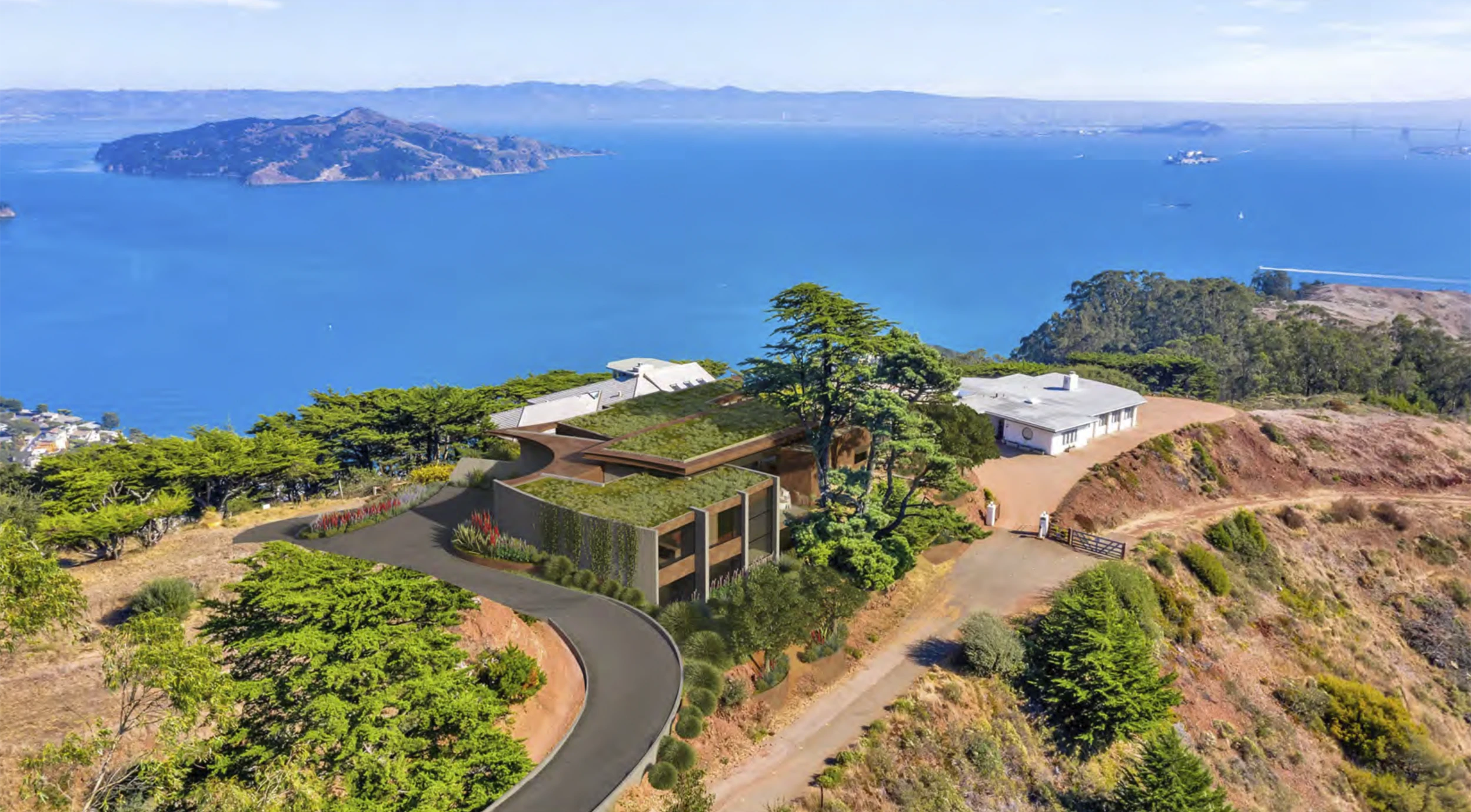
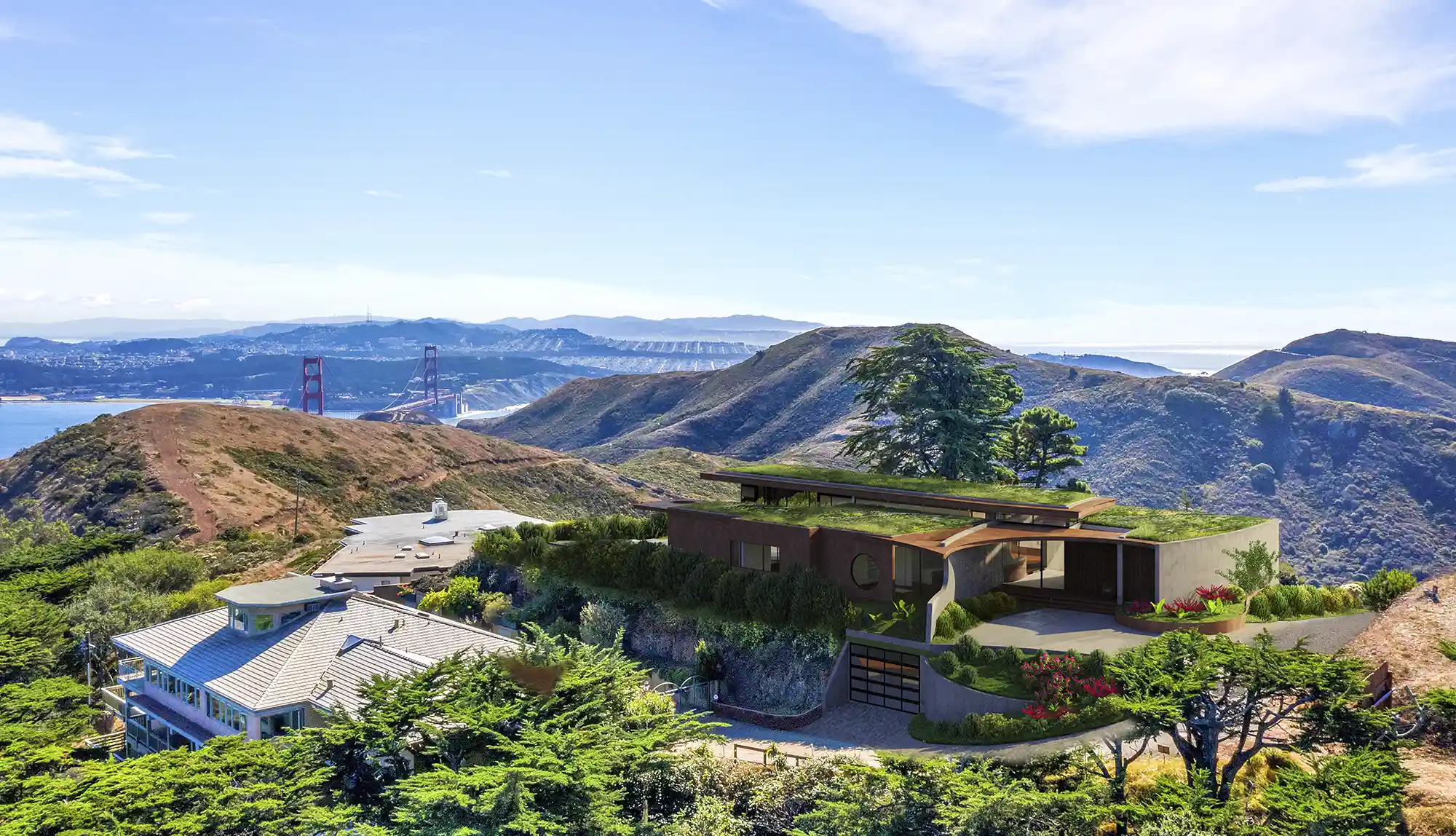
Project renderings
Anur Designs
Inspiration
Scott’s approach
A Journey to Understand “A House With No Walls”
Early design conversations revealed something quite different from our typical projects. At first, we thought the request “a house with no walls” was simply lost in translation. Most of our homes feature open floor plans, but this felt like something more. To truly understand what the clients wanted, I traveled to Mongolia.
Inside the National Museum of Mongolia, I walked into a 40-foot diameter felt-covered ger (yurt) and saw the living pattern they were describing: open, circularly arranged spaces centered by the hearth and stove. The flexibility of the ger—traditionally open but with the ability to close off areas when needed—became the foundation for our design approach.
We needed to create a modern version of the yurt that offered both traditional openness and contemporary flexibility.

Location
Scott’s approach
One of the Bay Area’s Most Stunning—and Most Constrained—Sites
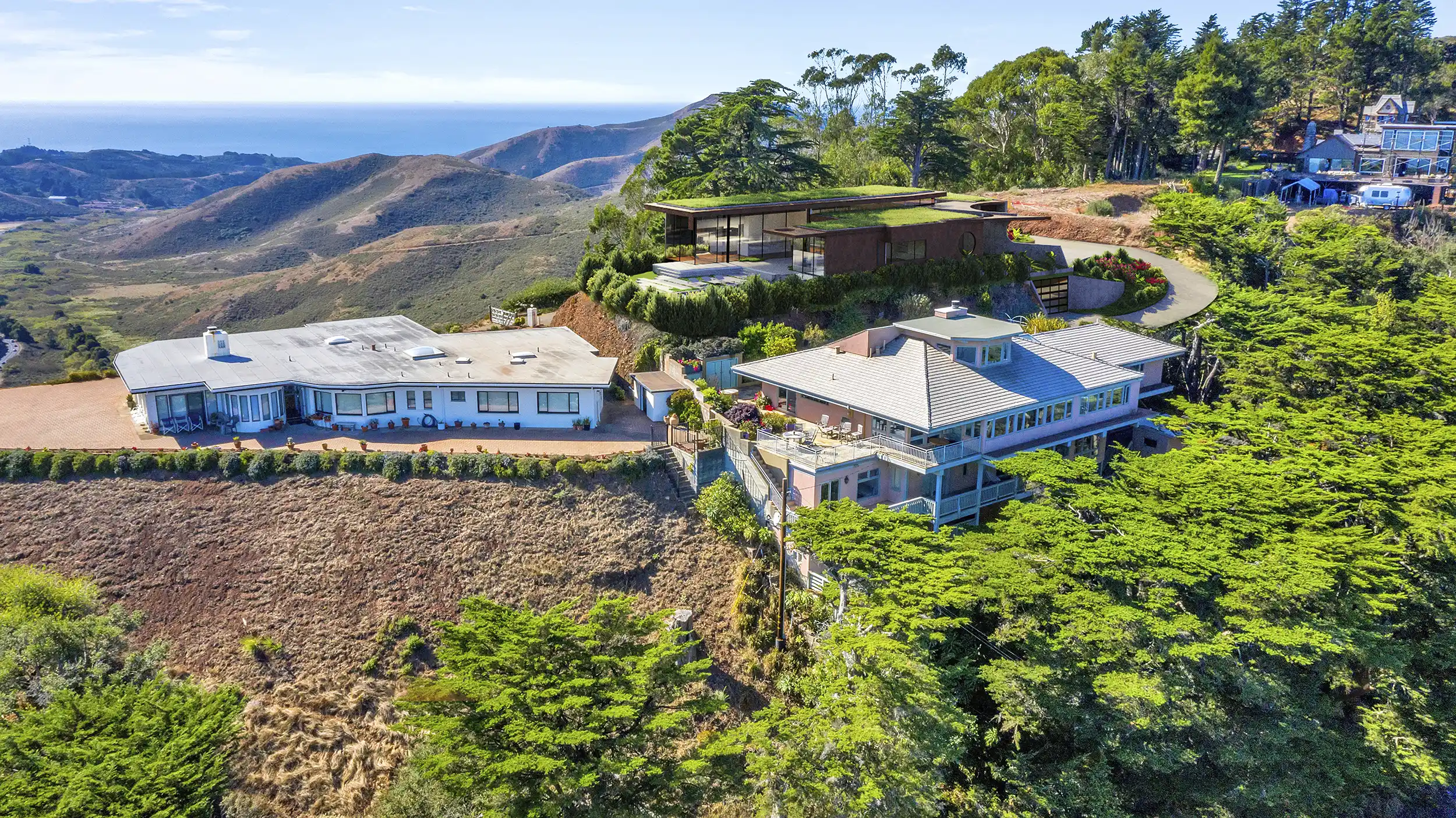
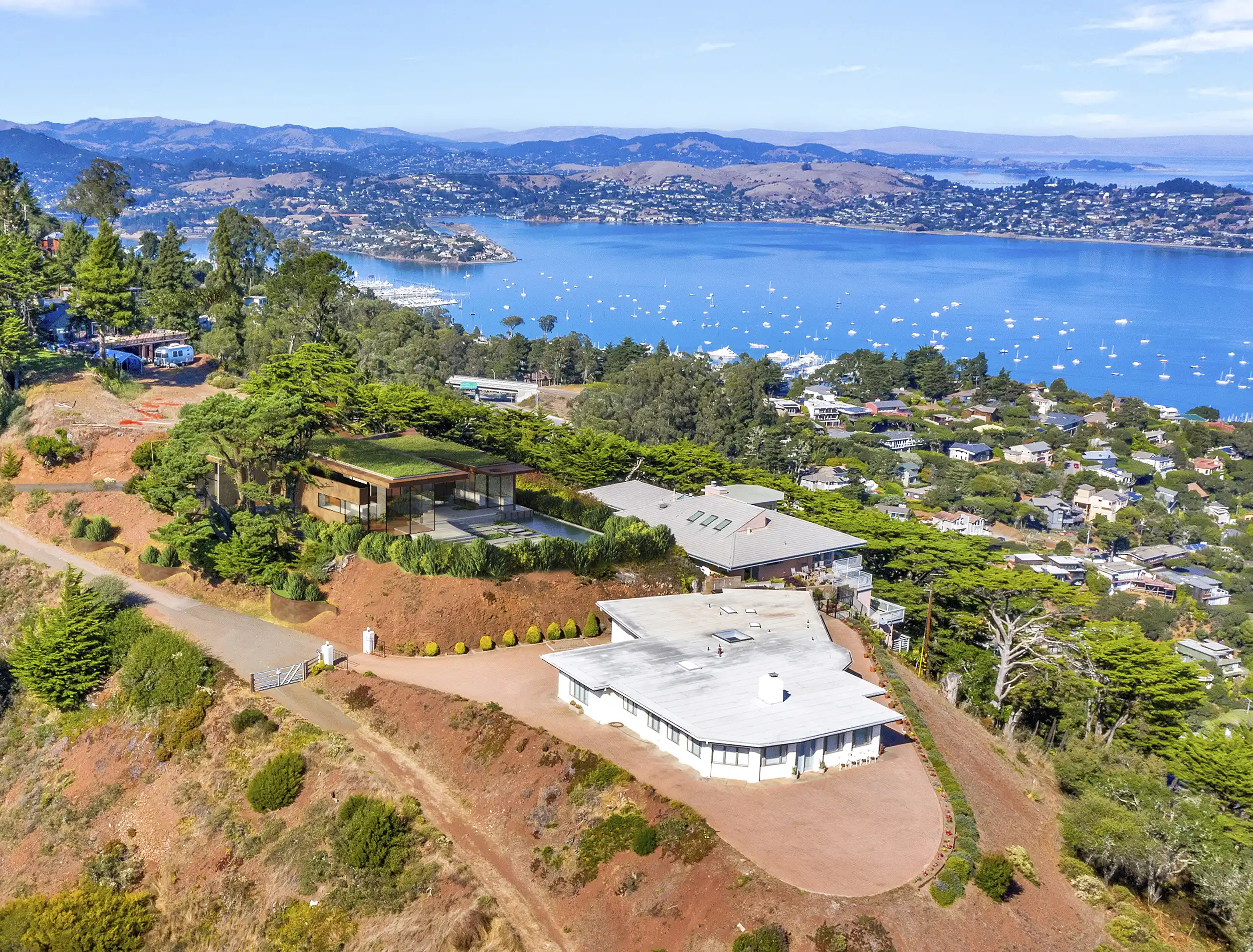
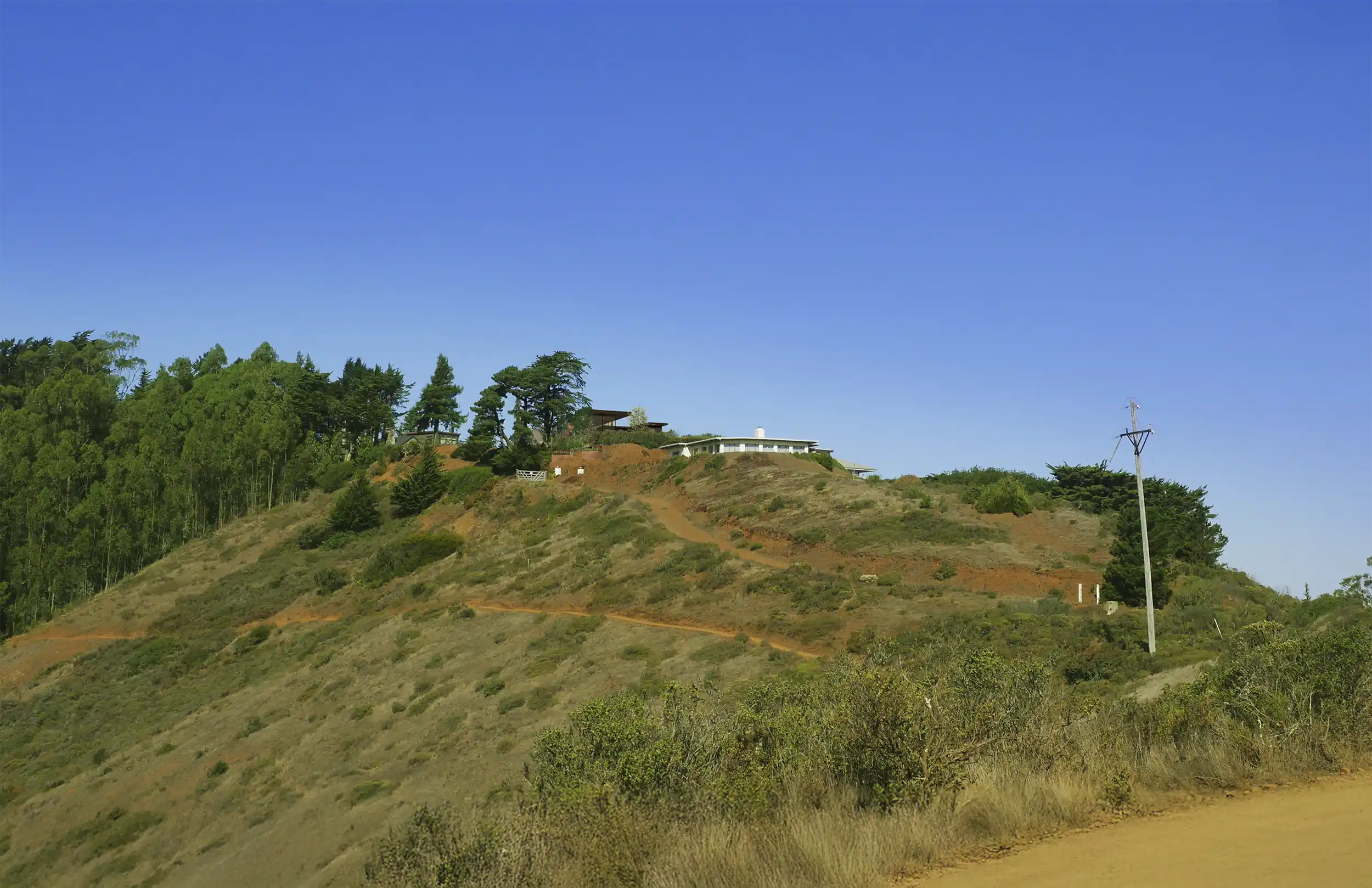
The vacant site sat on Wolfback Ridge, directly adjacent to the Marin Headlands National Park. The location offered sweeping views from the Pacific Ocean to the Golden Gate Bridge, San Francisco, and the Bay—some of the most dramatic vistas in the region. The site also came with exceptional visibility. Any structure here would be seen from numerous hiking trails, public vistas, and the Golden Gate Bridge itself.
Three overlapping zoning and deed restrictions limited where and how high we could build, confining the buildable area to a small portion of the site—the most visible portion from both the National Park and the neighbor behind. We were given the opportunity to design a family home on one of the most stunning properties in the Bay Area. The challenge was fitting a large, functional home into these constraints while respecting the landscape and securing approval from both the National Park Service and the City of Sausalito.
Design
Scott’s approach
Strategic Design Moves: Carving Into the Ridge
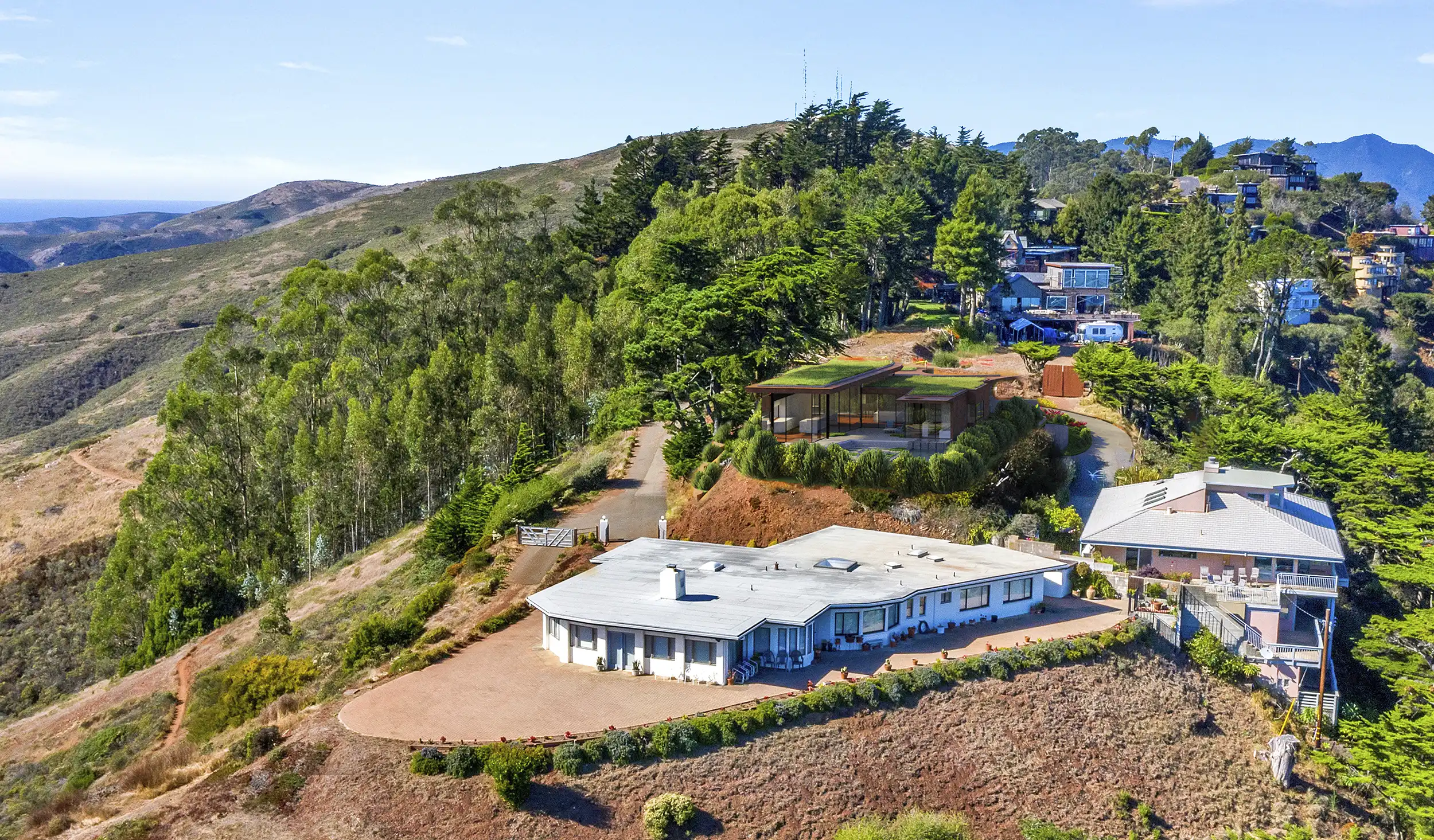
The key to fitting a large home into a limited footprint was the underground garage. We carved into the ridge from side to side, creating a small single-car entry on the east that opens into a five-car underground garage. On the west side, we opened up secondary bedrooms and a family room with floor-to-ceiling glass facing the park and Pacific Ocean views.
By sinking the 4,500-square-foot lower floor into the ridge and well under the height limits, we created the opportunity to place the primary bedroom and living areas at the existing grade with tall ceilings and expansive glass. This design captured sweeping views from the park and ocean to the west, across to the Golden Gate Bridge, and over to San Francisco and the Bay to the east.
Reducing Visible Mass While Maximizing Interior Space
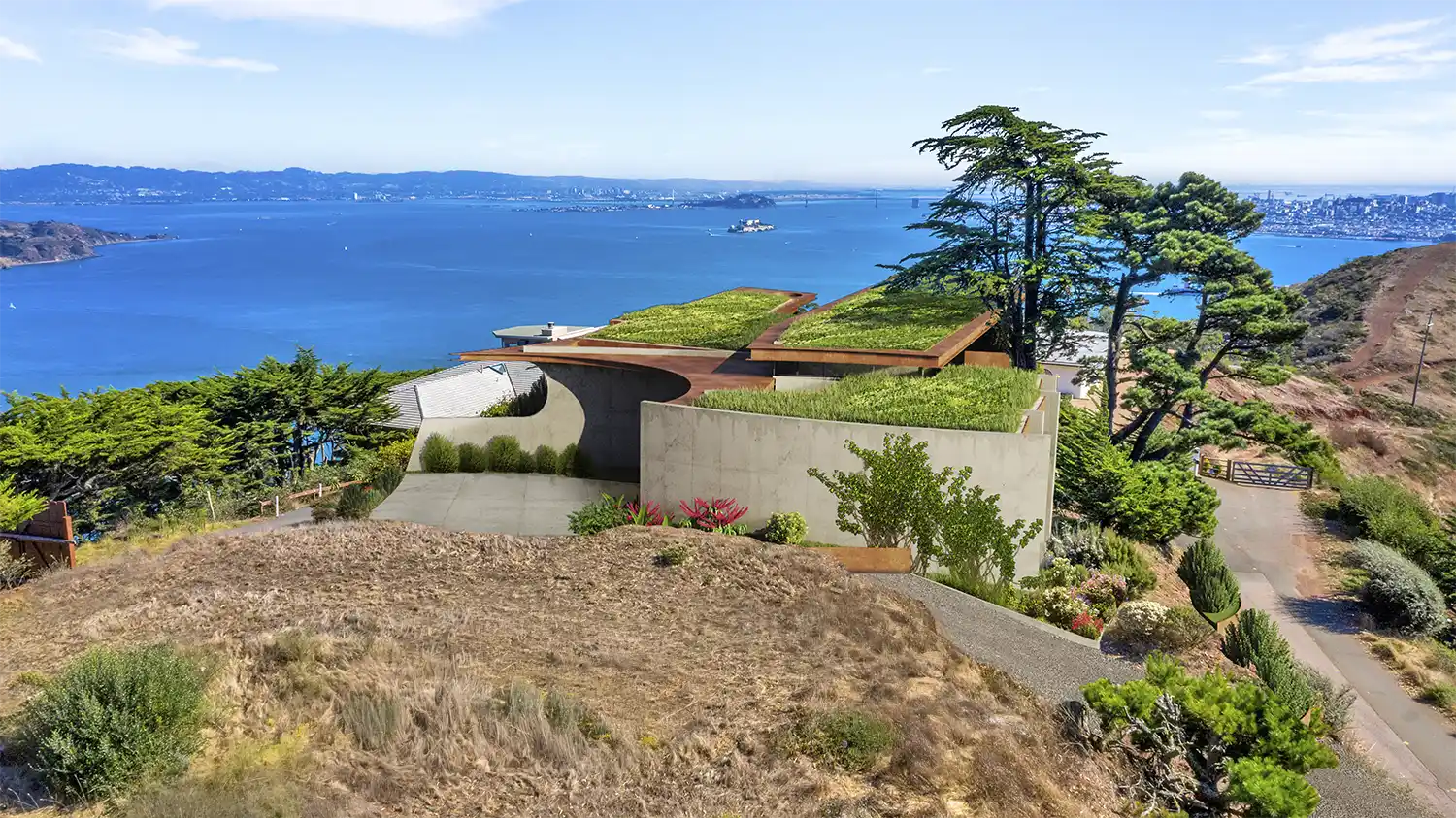
This approach transformed an 8,000-square-foot home and garage into just 3,500 square feet of visible mass—without sacrificing interior space, light, or views. By minimizing visual impact and blending the structure’s shape and form into the landscape, we secured approval from both the National Park Service and the City of Sausalito.
Materials
Scott’s approach
Materials Drawn From the Land and Its History
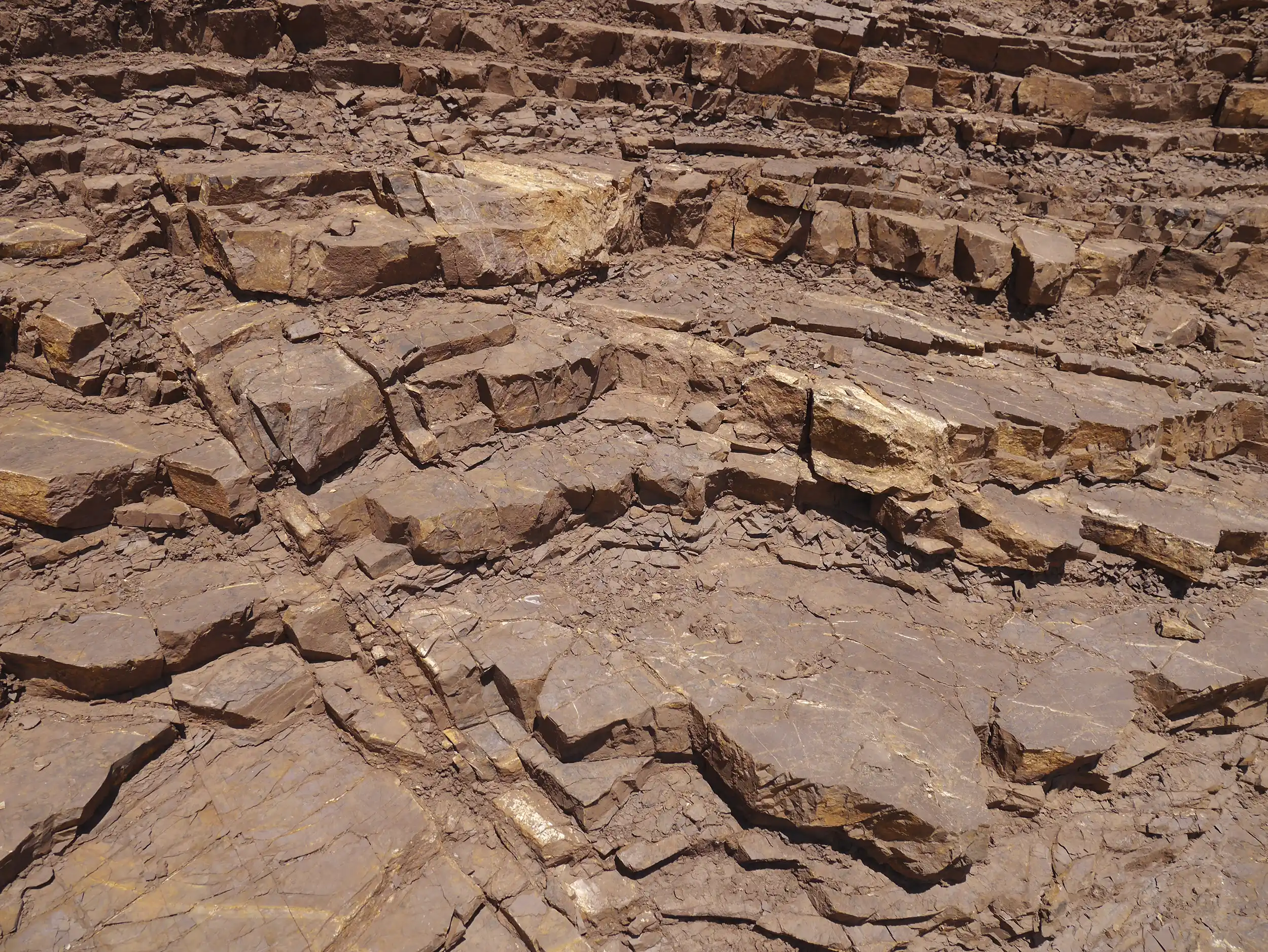
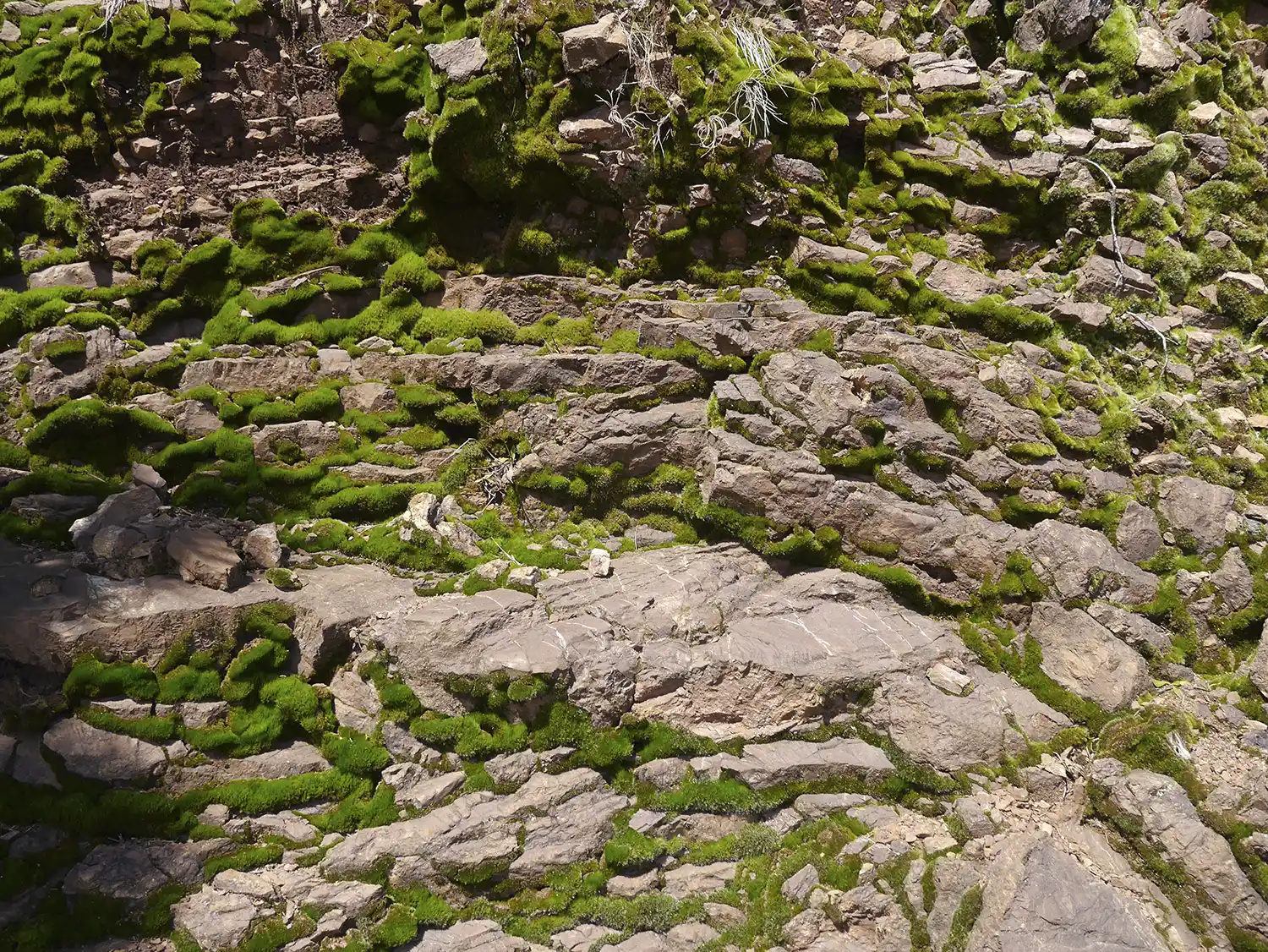
The material palette reflects two defining characteristics of Wolfback Ridge: the exposed bedrock and the area’s military history. Wolfback Ridge sits atop the Marin Headlands, where exposed San Francisco Chert bedrock creates striking patterns.
Layers of sediment compressed and distorted by the earth’s pressures form beautifully composed curves and angles, with a high iron content that gives the stone its distinctive rust-hued tones.
Weathered Concrete and Steel
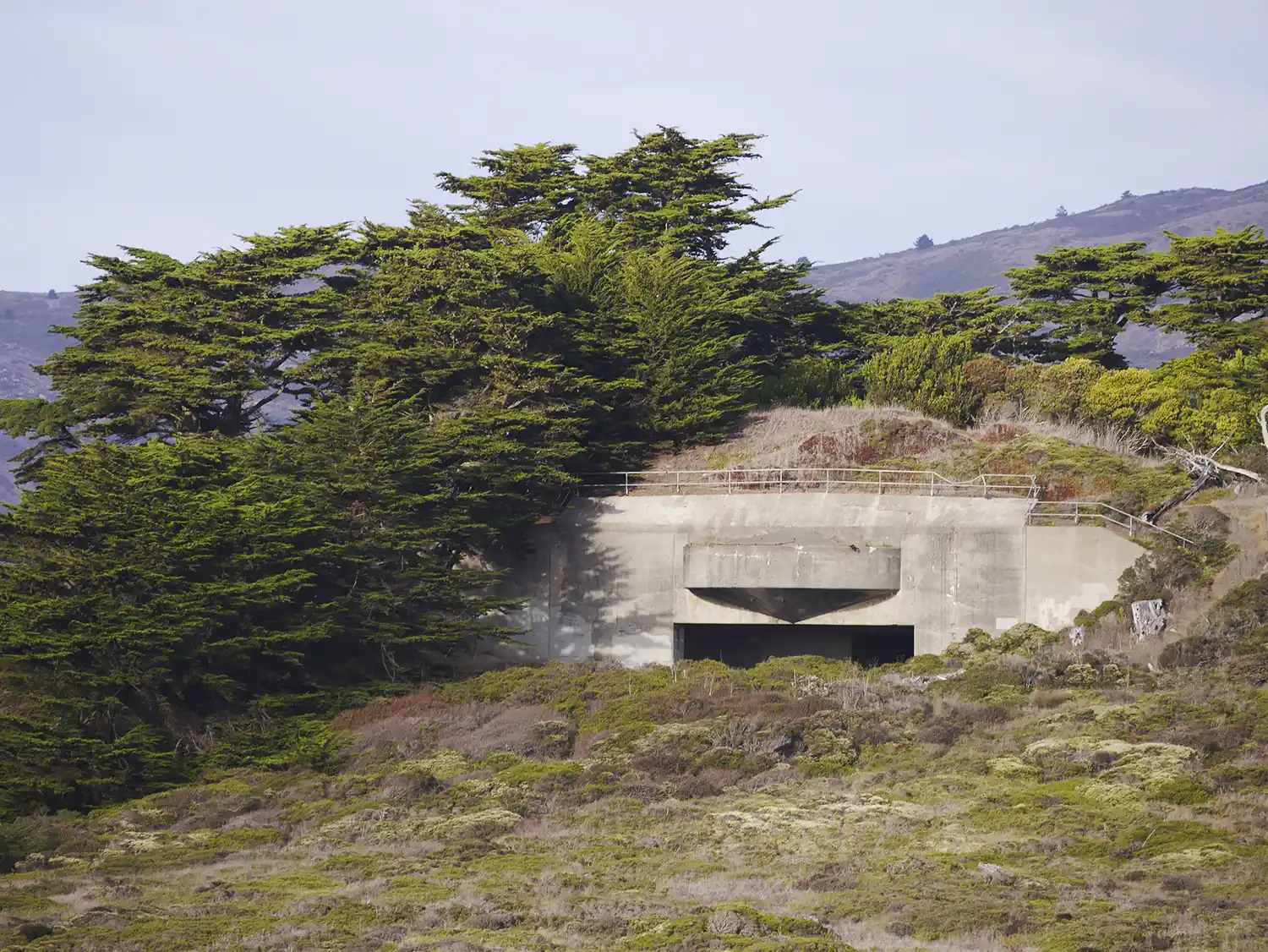
The Marin Headlands’ strategic location at the entrance to San Francisco Bay made it home to numerous military gun batteries and forts. The landscape is dotted with relics of these concrete and steel structures, now weathered into time-patinaed forms.
We drew from these colors, textures, materials, and forms to create a modern home that opens fully to the views while remaining sturdy and protective from the often cold, foggy, and windy conditions on the ridge.
Permit approval
Scott’s approach
Engaging Stakeholders Early: The National Park Service Partnership
Prior to starting design, our first meeting was with the primary stakeholder: the National Park Service. We sat down with them and asked a simple question: “What are your concerns?”
By working closely with the Park Service throughout the design and design review process, we built the support that proved essential to receiving the City of Sausalito’s approval.
Transforming Community Perception
The initial community reaction was that no home could be built on this site. However, by designing a home that was carefully sunk into the site, shaped to reflect the forms and materials of Wolfback Ridge, and topped with a succulent-covered roof, we demonstrated that even a large home could become a visual asset to the ridge and the park.
The project moved forward not despite the constraints, but because we shaped the design around them from the beginning.
Result
Scott’s approach
A Home That Honors Heritage While Embracing the Landscape
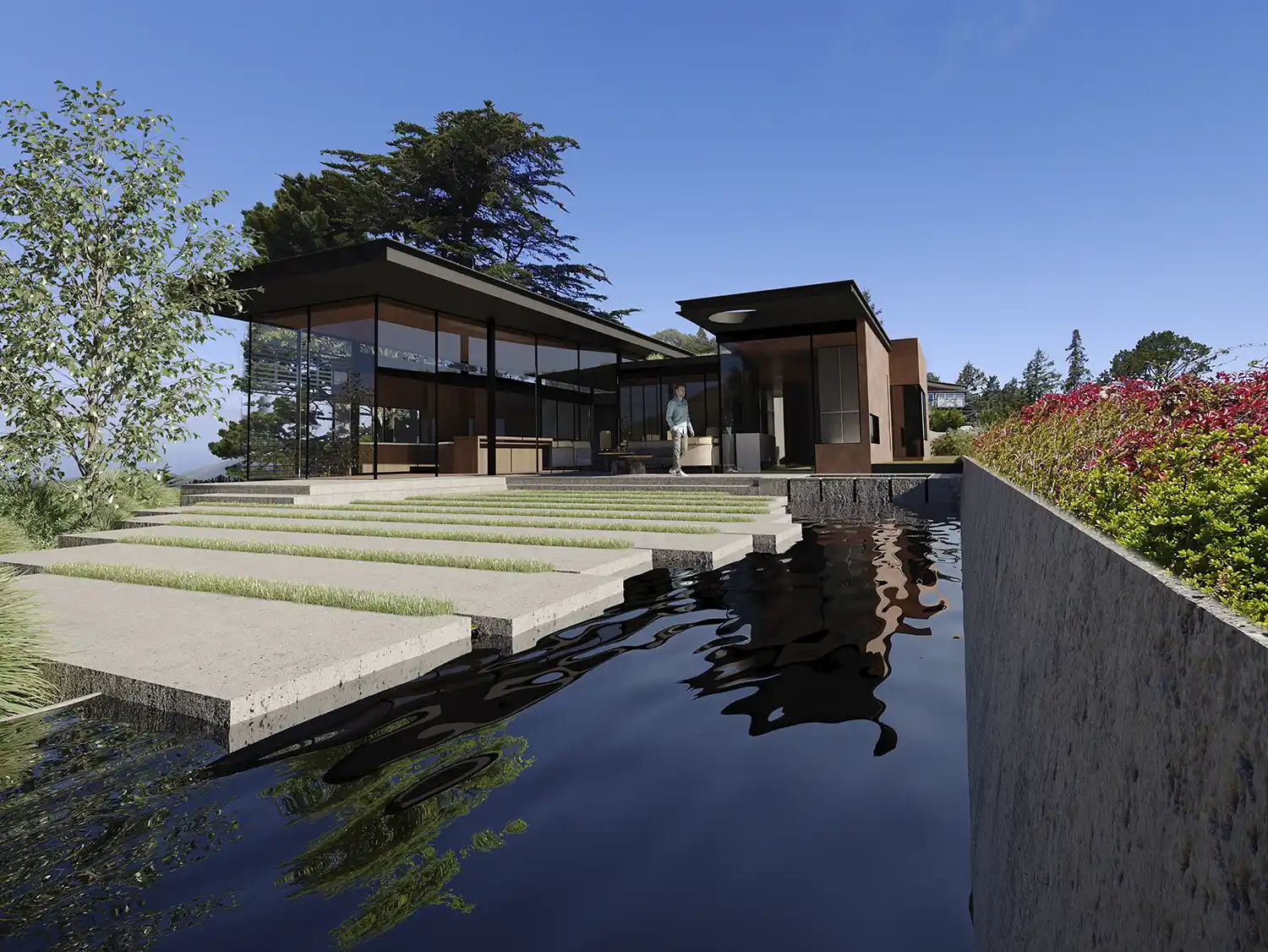
The Modern Yurt project brought together two seemingly incompatible ideas: the open, flexible living pattern of a traditional Mongolian ger and the dramatic, highly regulated landscape of the Marin Headlands.
By studying the clients’ cultural roots, engaging stakeholders early, and designing with both the site’s constraints and opportunities in mind, we created a home that serves the family’s unique needs while respecting the landscape that surrounds it.
The result is a residence that feels both rooted in place and connected to a heritage thousands of miles away—a modern home that honors tradition while fully engaging with one of California’s most extraordinary sites.