One of the first questions I hear from homeowners planning a project in San Francisco or Marin is: “Should I call an architect or a contractor first?”
It’s a fair question. Both are essential to getting a home designed and built. But the sequence matters more than most people realize, and in San Francisco, where permitting is layered and sites are complicated, starting in the wrong order can quietly shape the entire project in ways that are hard to undo later.
I’ve spent over 30 years working as both a licensed architect and a licensed contractor. I’m also a builder, metal fabricator, and woodworker. So when I talk about the architect vs. contractor question, I’m not arguing for one side.
I’ve been on both sides. What I can share is what I’ve seen happen in practice when these roles are clearly defined from the start, and what tends to go sideways when they’re not.
What Each Role Covers
The terms architect, contractor, and builder get used loosely, and that’s part of why the confusion exists. Here’s how I think about them.
The architect designs the home, produces the construction drawings, and navigates the permitting and design review process. In San Francisco and Marin County, the permitting piece alone is significant because the approval process involves zoning analysis, neighborhood notifications, design review boards, and often multiple rounds of city comments.
A good architect does not just create a beautiful design. They create one that the city will approve and that a contractor can build without guesswork.
The general contractor manages the construction itself: hiring and scheduling subcontractors, ordering materials, coordinating the site, and physically building what the drawings describe. Their responsibility is to execute the project, and a good contractor brings organization, craft, and reliability to that process.
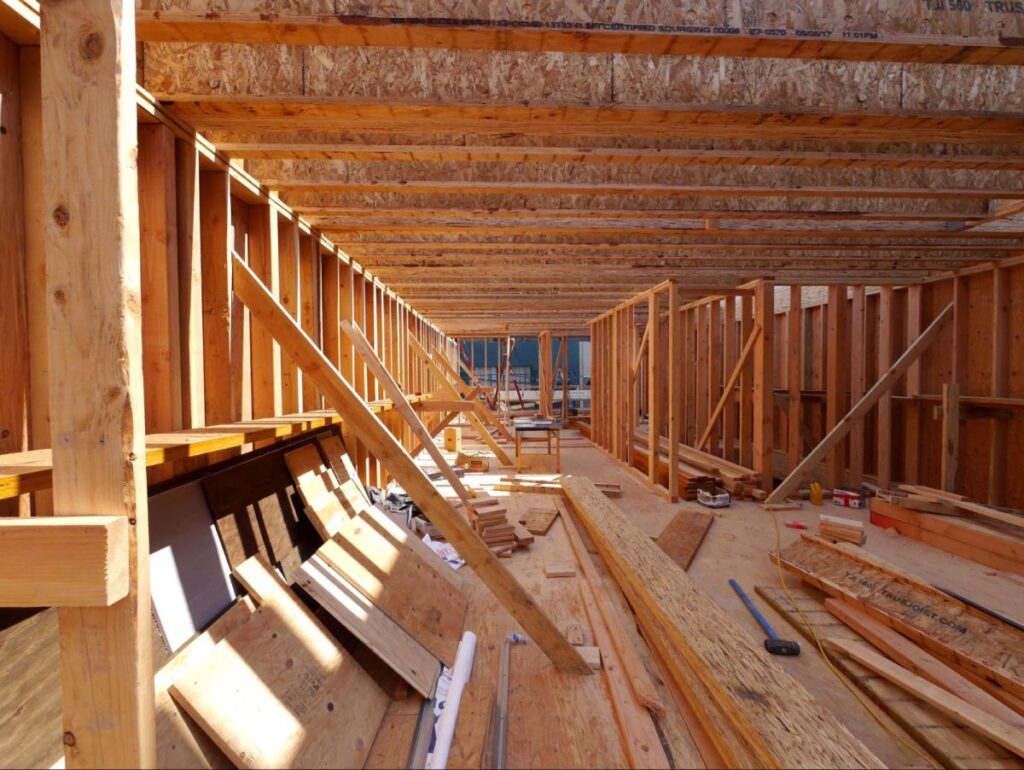
The term builder is less formal. Some builders design and build. Some are general contractors who also do finish work. I use the word to describe someone who understands construction at the material level: how steel is fabricated, how wood joints behave, how concrete is poured, and how a detail drawn on paper will actually look and perform once it’s built on site.
In my experience, most of the coordination issues on residential projects come from the gap between these roles. When the architect designs something without fully understanding how it will be built, or when the contractor builds something without fully understanding the design intent, the project risks getting sidetracked.
Why Most Homeowners Call the Contractor First
What I’ve seen over time is that most homeowners, especially in San Francisco, call a contractor before they call an architect. That makes intuitive sense. The contractor is the person who will physically do the work, and most people want to know early on what the project will cost and how long it will take.
In practice, what usually happens is: the contractor walks the site, gives a rough estimate, and the homeowner starts making decisions based on that number. They may choose finishes, plan a budget, or even commit to a timeline. But without architectural drawings, the estimate is based on assumptions.
Without a permit strategy, the scope may not be approvable as described. And without detailed construction documents, the contractor is pricing from a general idea rather than a specific plan.
When the architect comes in later, they often find that the expectations & direction have already been set by the contractor’s initial assessment:
- Design options have narrowed because the scope and budget were framed around what the contractor initially proposed rather than what the site and zoning could actually support.
- The permit strategy has to work around decisions that were made without it, which can limit what the city will approve or require extra rounds of revision.
- The construction documents have to catch up to a project that’s already in motion, rather than leading it from the start.
That doesn’t mean that this approach is wrong. Merely that the sequence shaped the options, and some of the potential options were already off the table by the time the architect sat down.
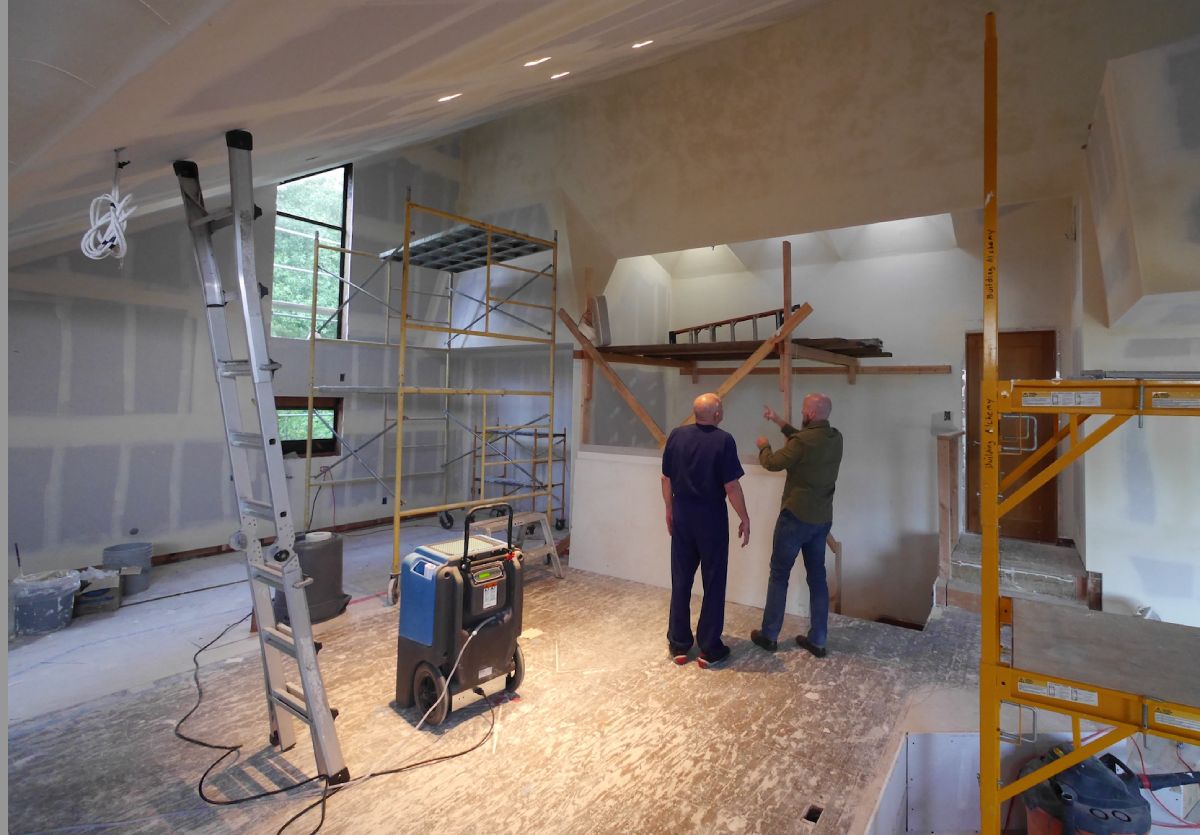
I’ve seen this many times. On one project, a client’s contractor and the owner’s representative had already set the direction and begun managing the budget. As their project progressed, coordination started to break down, and inconsistencies surfaced between what was being built, what had been drawn, and what had been approved.
I was brought in then and had to replace the construction team and take over full project management. The project recovered, but it required months of additional work that could have been avoided if the architect had been involved from the beginning.
When clarity breaks down between the architect and the contractor, unresolved questions tend to find their way back to whoever is managing the full project. Hopefully. As some questions might never be reported when workarounds were done on the site. Sometimes this happens in complex projects.
This is why it is important to find a reliable contractor who has an experienced crew and to clearly define the roles and sequences right from the start.
What Happens When One Person Understands Both Sides
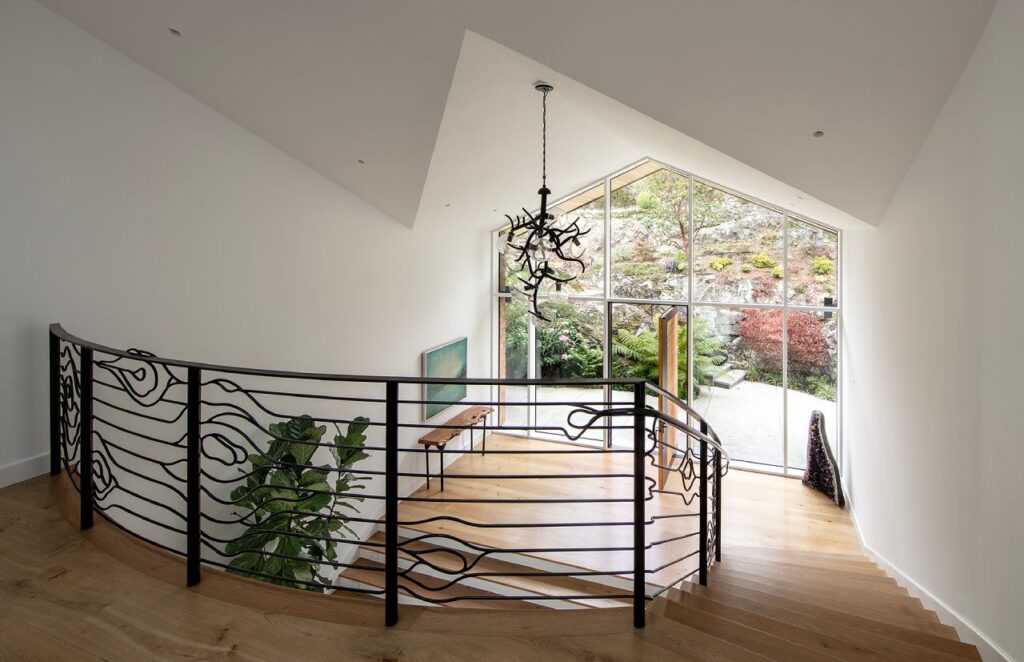
This is where my own practice comes in, and it’s not something I planned from the start. Over time, having worked as an architect, a contractor, a builder, and a fabricator, the lines between those roles stopped being separate for me.
When I design, I’m thinking about how the steel will be cut, how the framing will land on the foundation, and how the contractor will sequence the work on a tight site. When I draw a detail, it’s already been filtered through the question of whether it can actually be built the way it looks on paper.
That combination is the core of what it means to be an architect and builder in San Francisco. It’s not about doing everyone’s job. It’s about making sure the design, the documentation, and the construction logic are all aligned from the beginning, so there is no gap for the contractor to fill with interpretation.
Contractors I’ve worked with over the years describe this in practical terms. Timothy Vinson of Building Alchemy, a general contractor with 40 years of experience in the Bay Area, has built on many of my projects.
He once described my designs as:
“Always my favorites, because not only are they brilliant, but they are extremely meticulous to build.”
That second part is a compliment about the ambition of the architecture. What keeps Timothy coming back is that the documentation supports the build. The difficulty is in the design vision, not in missing information. He knows that when he opens one of my plan sets, everything he needs is there.
Erick Juarez of MCL Construction put it in similar terms. As a general contractor, he described working with Studio Couture as a process defined by clear communication, attention to detail, and the ability to bring complex custom designs to life through collaboration and constructability. When the architect and builder are thinking the same way, the project moves with less friction.
For homeowners comparing an architect vs. a general contractor in San Francisco, this is the part that often gets missed. The question is not just who to hire, but whether the person designing your home also understands what will happen once construction begins. When the architect draws with a builder’s eye, the plans are not just a set of instructions.
They are a complete map of how the project will be built, and that changes the entire experience for the contractor, the client, and the project as a whole.
How to Think About This for Your Project
If you’re planning a remodel, renovation, or new build in San Francisco or Marin County, the most effective sequence is to start with an architect who understands both design and construction. That does not mean the contractor is less important. Contractors are essential partners, and the best projects I’ve been part of have had strong, experienced contractors at the table.
What it means is that the architect sets the direction, produces the documentation, and navigates the approvals, so that when the contractor comes on, they have everything they need to build well.
Good drawings support good work. When the plans are clear, detailed, and grounded in construction logic, the contractor can focus on what they do best: building. When the plans leave room for interpretation, the contractor has to fill those gaps on the fly, and that’s where cost overruns and coordination issues tend to surface.
One of the things that becomes clear pretty quickly is that the architect vs. contractor question is not really about choosing one over the other. It’s about getting the sequence right. When the architect leads, the contractor builds from a position of clarity. When the contractor leads, the architect often has to work within a framework that was set without them. Both can produce a finished home.
But in my experience, the first approach tends to produce a better one, with fewer surprises along the way.
Whether you are looking at a design-build contractor in SF or a traditional architect-then-contractor path, the principle is the same: the design and the approvals should come first, and the person producing the design should understand how it will be built. That alignment is what keeps a project moving forward with confidence.
Ready to Talk It Through?
If you’re planning a project in San Francisco or Marin and want to understand the right sequence for your situation, I’m happy to talk it through. Schedule a consultation and we can look at your project, your site, and figure out the best way to get started
Schedule a consultation with Scott.
Frequently Asked Questions
Should I call an architect or a contractor first for my San Francisco project?
In almost every case, the architect should come first. The architect establishes the design, navigates the permitting process, and produces the construction documents that the contractor will build from. When the contractor comes on after those pieces are in place, they can price and build from real information, which leads to fewer surprises for everyone.
What does a design-build architect do differently than a traditional architect?
A design-build architect understands both the design process and the construction process from the inside. In practice, that means the drawings are informed by how things will actually be built on site, the details are constructable without interpretation, and the coordination between design intent and execution stays tight from start to finish.
How do I know if my project needs an architect at all?
If your project involves any structural changes, permitting, design review, or significant reconfiguration of your home, you will need an architect. In San Francisco and Marin, even projects that seem straightforward often run into zoning or neighbor-related complexities that benefit from an architect’s involvement early on.
Does hiring an architect who is also a builder cost more?
Not necessarily. An architect or contractor in Marin County who understands both sides often saves money over the course of the project by producing clearer documentation, reducing change orders, and catching construction issues at the drawing stage rather than on site. The fee structure is similar, but the downstream costs tend to be lower.
What happens when the contractor starts before the architect is involved?
The project tends to take on the framing of the contractor’s initial assessment. That can narrow the design options, complicate the permit strategy, and create a situation where the architect is working within constraints that were set without their input. It’s not a disaster, but it often adds coordination and cost that could have been avoided.