Urban Condos.
Urban Condos
Urban Condos began as a ground-up redevelopment of an underutilized industrial site in San Francisco’s South of Market neighborhood. The client’s goal was to create condominiums that made better use of the site while navigating one of the city’s most complex planning environments.
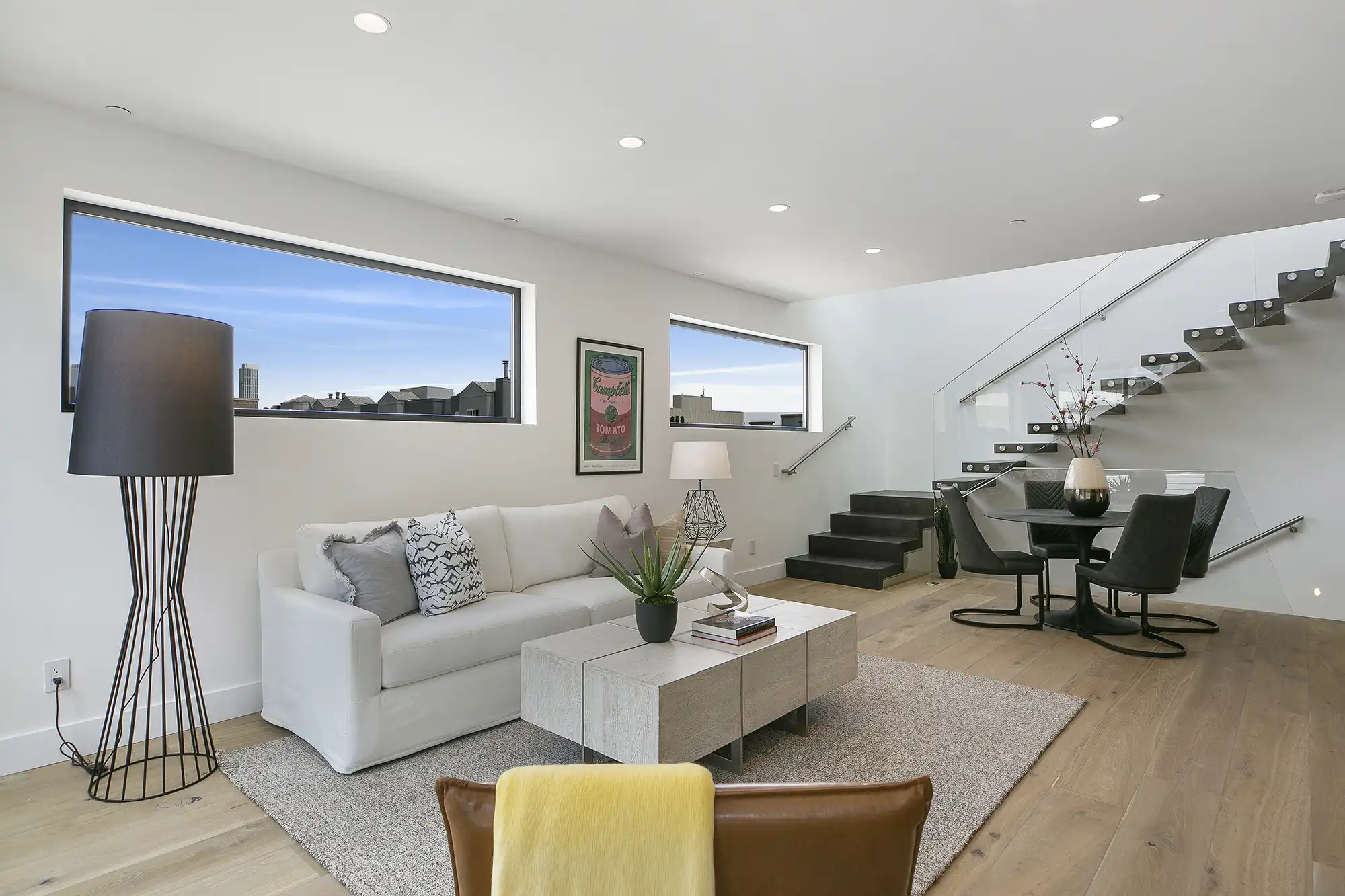
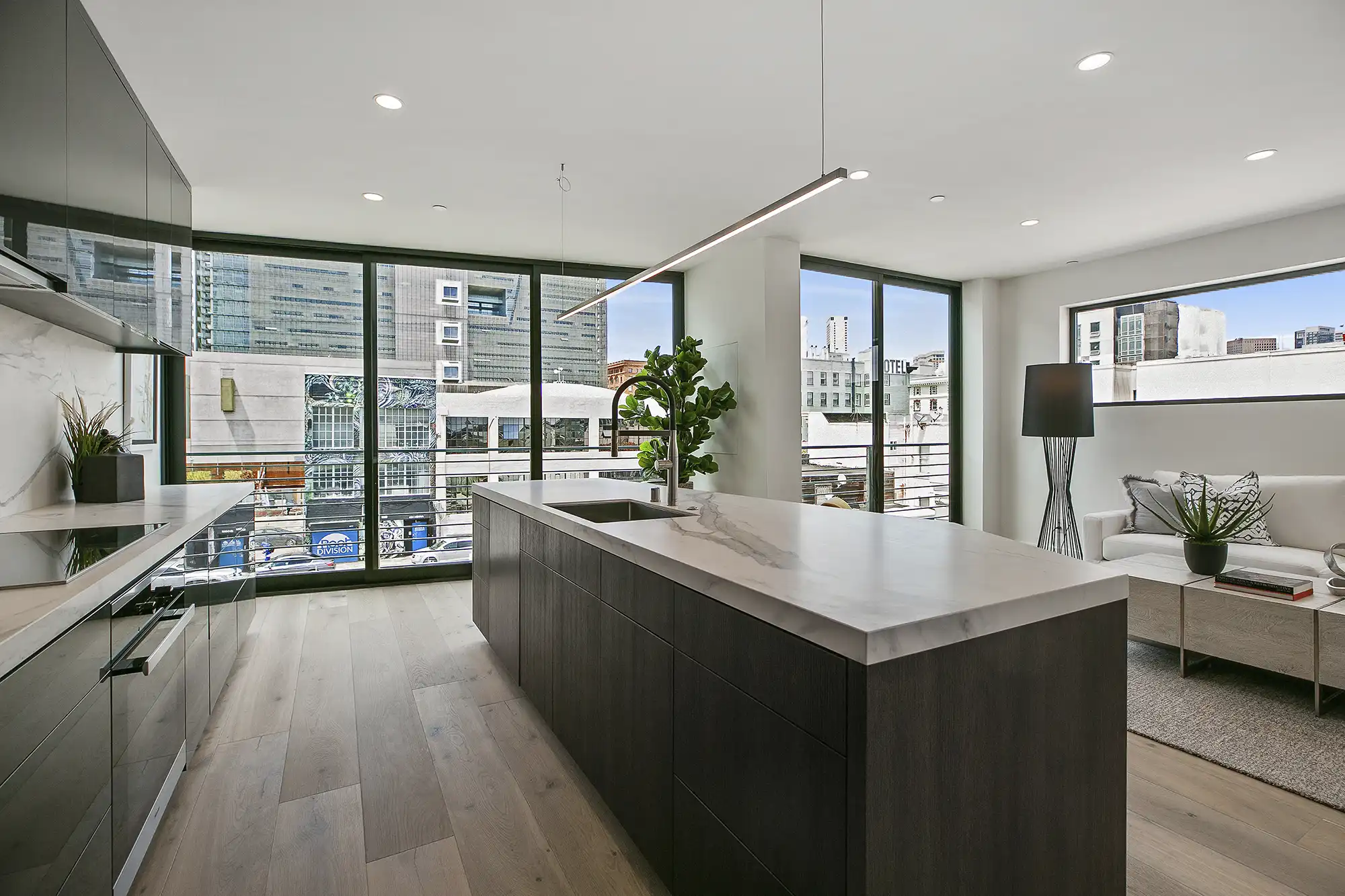
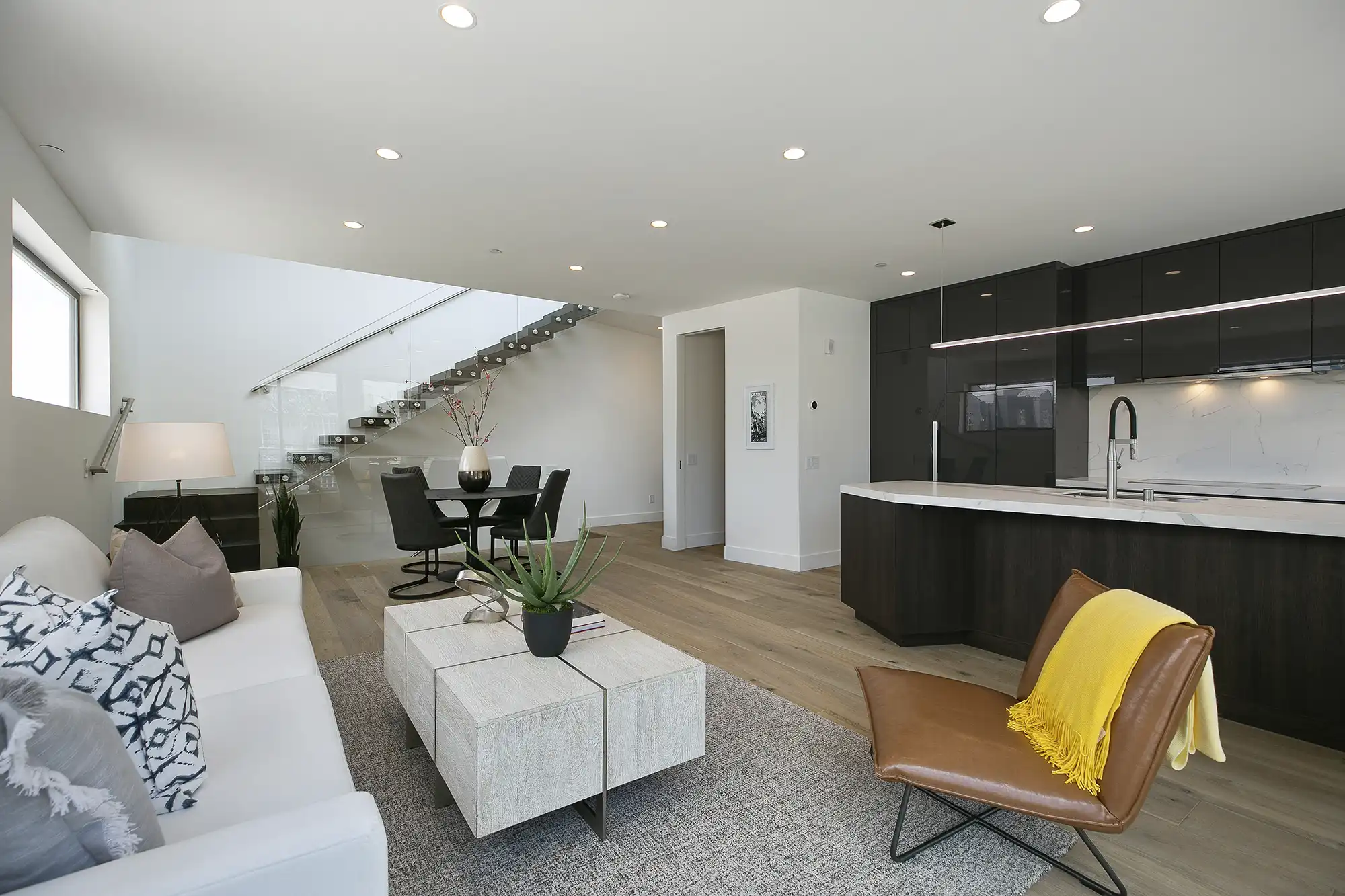
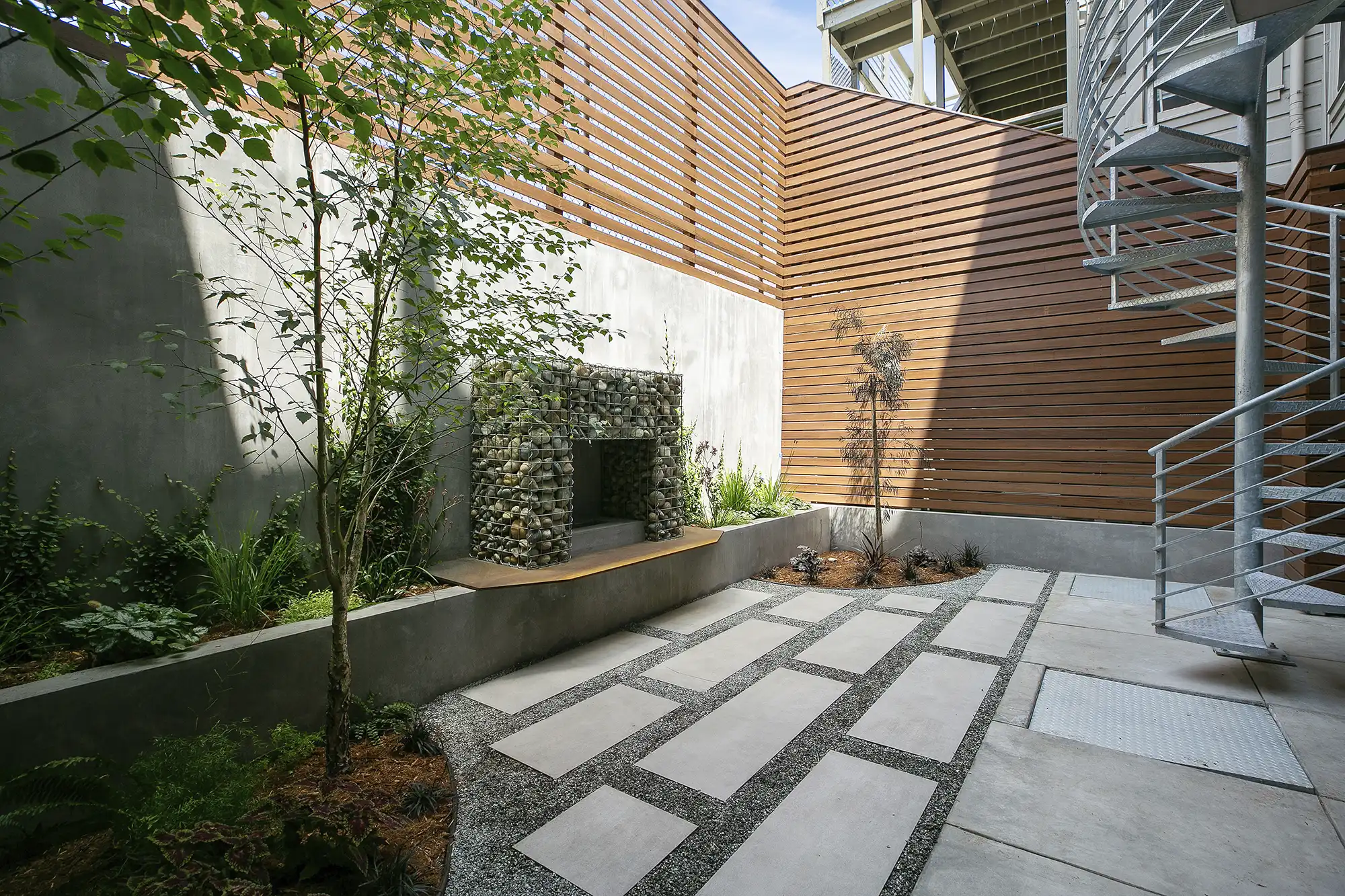
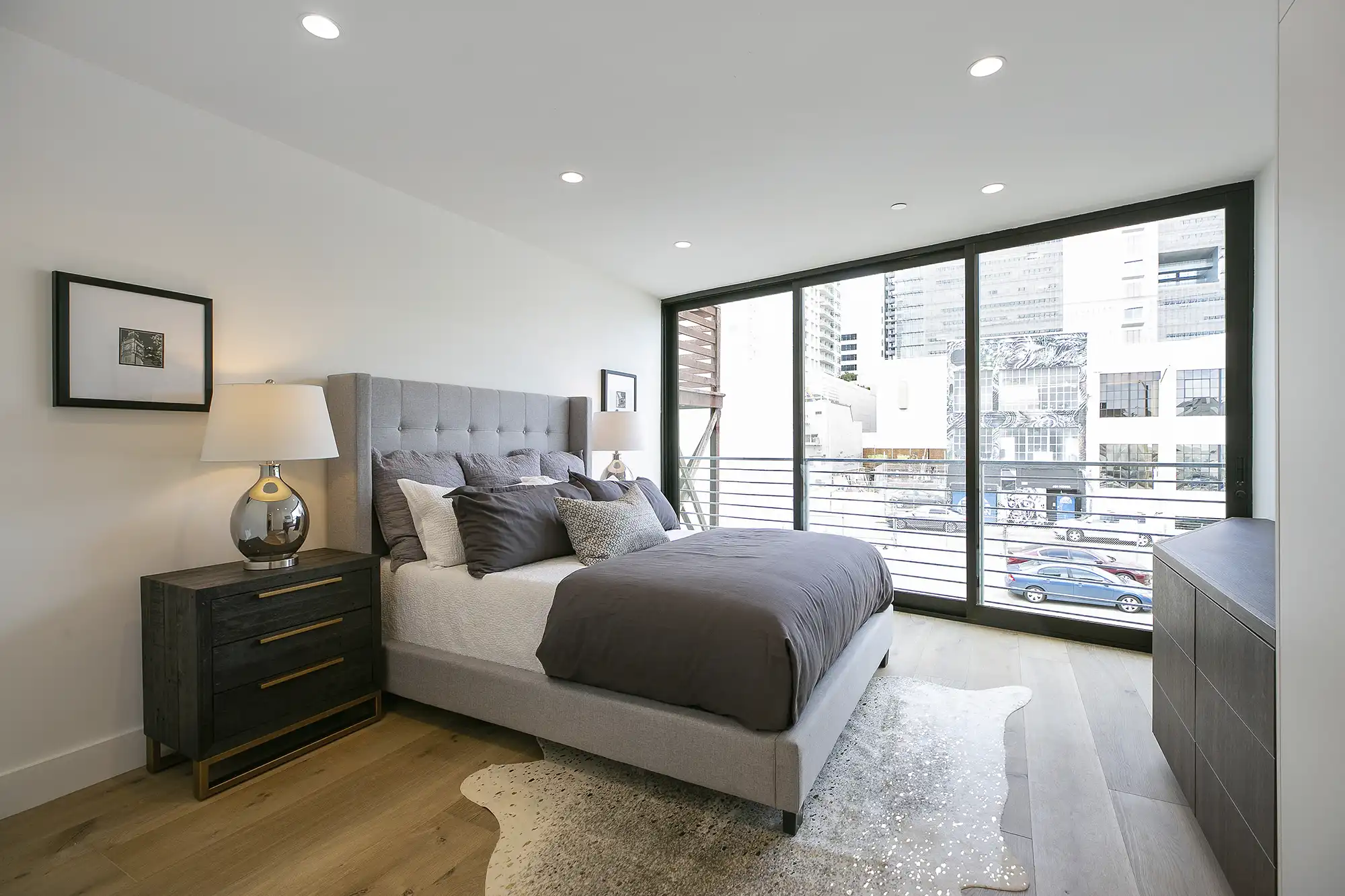
Rather than accept the typical limitations of small condo projects we approached the building codes as a design tool. By carefully studying zoning and building regulations, we developed housing where multi-level units have internal staircases, created spaces with expansive views and abundant natural light and added significant private outdoor areas.
Category
Custom Home
Location
San Francisco, CA
Completed
2020
Requirements
Scott’s approach
From industrial shell to urban condos
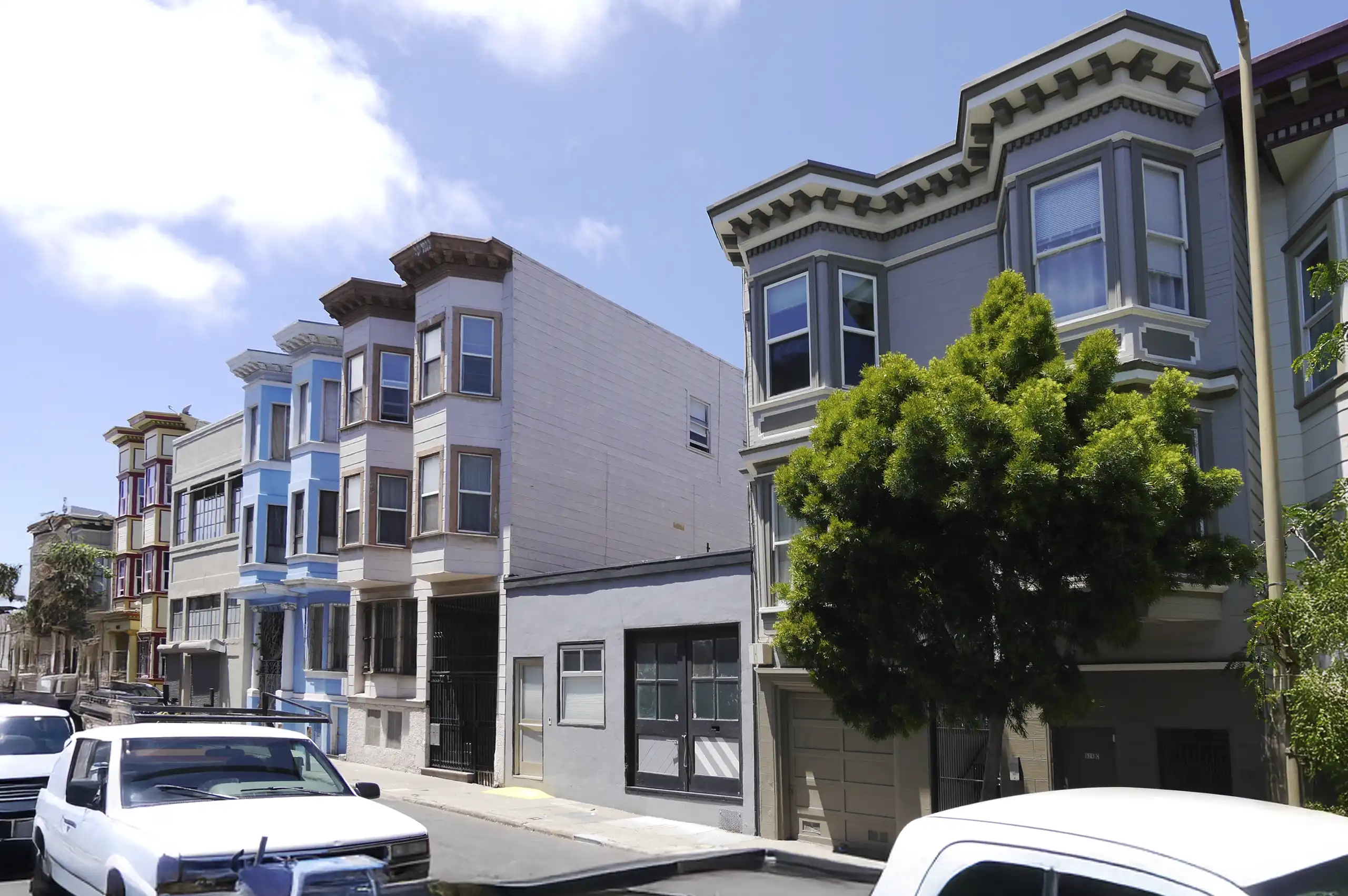
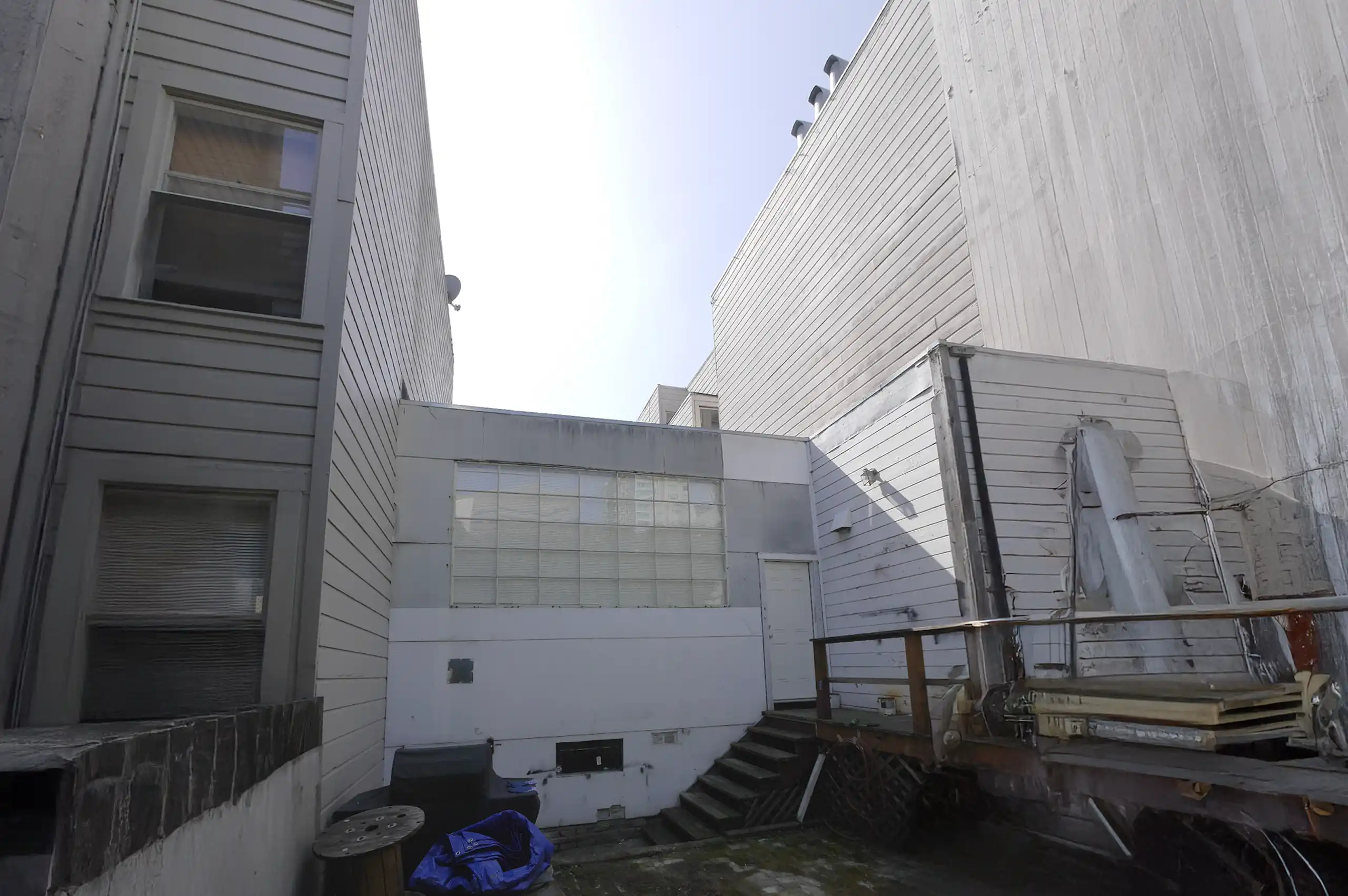
The site originally held a small, single-story industrial structure that underused its location potential. The owner saw the opportunity in converting the property into condominiums that could meet real housing shortage in the city.
Our task was not only to maximize the buildable area, but to create a project the owner would be proud of, all whilst navigating the complexities of design review and permitting process.
Rethinking the typical San Francisco condo
Most small condominium buildings in San Francisco follow a similar pattern. Single-level units are stacked floor by floor, circulation is pushed into shared stairwells and hallways, and light struggles to penetrate deep into the plan. These buildings meet the code, but they rarely deliver a sense of spaciousness or quality of life.
From the outset, we wanted to challenge that model. The question driving the project was simple: how can the City’s rules be used to create better homes rather than merely compliant ones?
Starting with diagrams, not assumptions
Before settling on a design, we studied dozens of comparable projects throughout the city. We then produced a wide range of schematic unit diagrams, testing different ways of organizing floor area, circulation, outdoor space, and code-required elements.
These diagrams were deliberately abstract. They allowed us to evaluate each option on its merits: access to light, efficiency of movement, relationship between levels, and compliance with planning and building requirements. The work at this stage was analytical, but the ideas that emerged were creative.
Solution
Scott’s approach
Creating spacious, light-filled homes
The key design move was bringing vertical circulation inside each unit. In most condo projects, stairways are shared and therefore do not contribute to a unit’s floor area or value. As a result, they tend to be dark, compressed, and purely utilitarian.
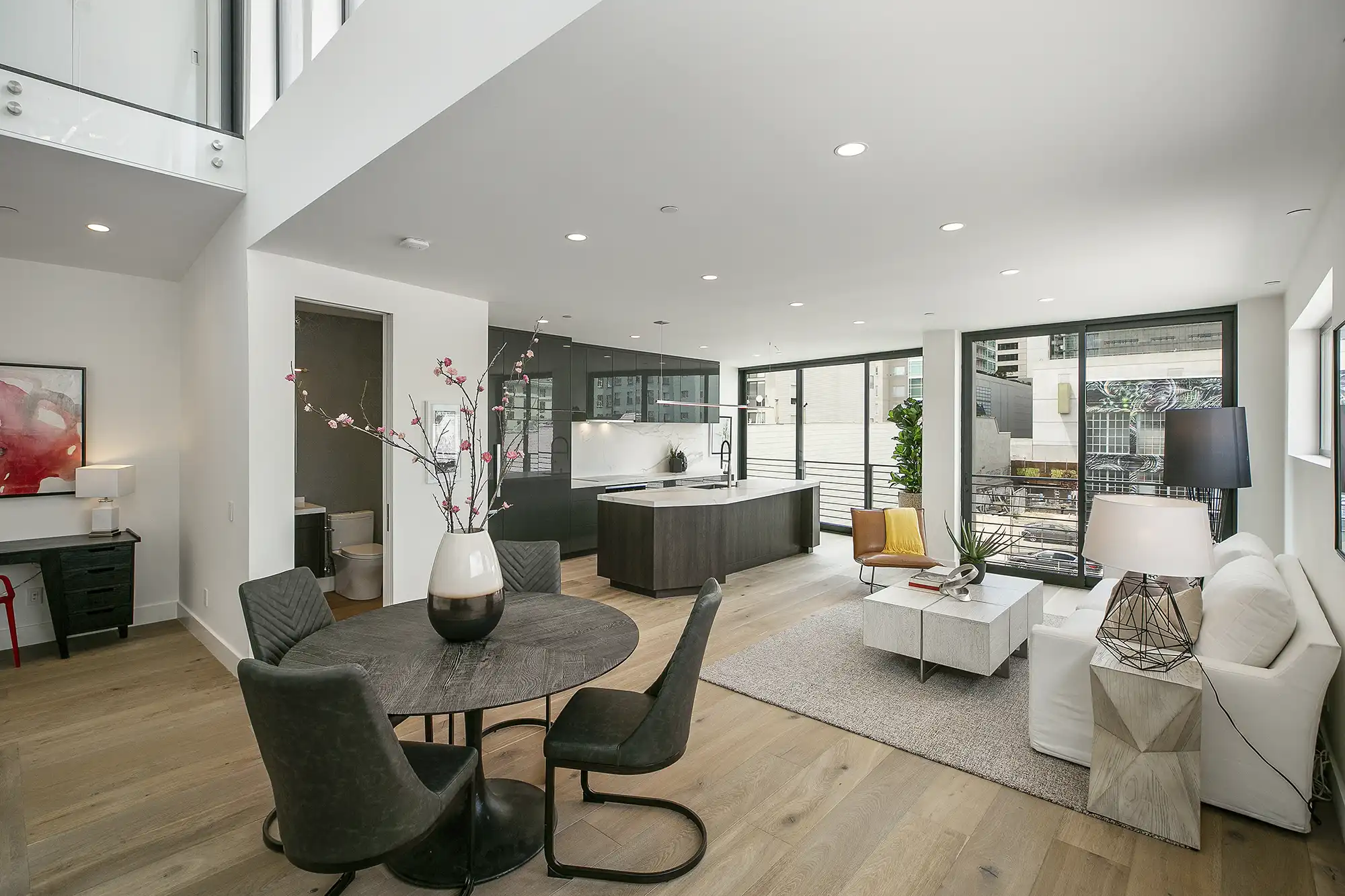
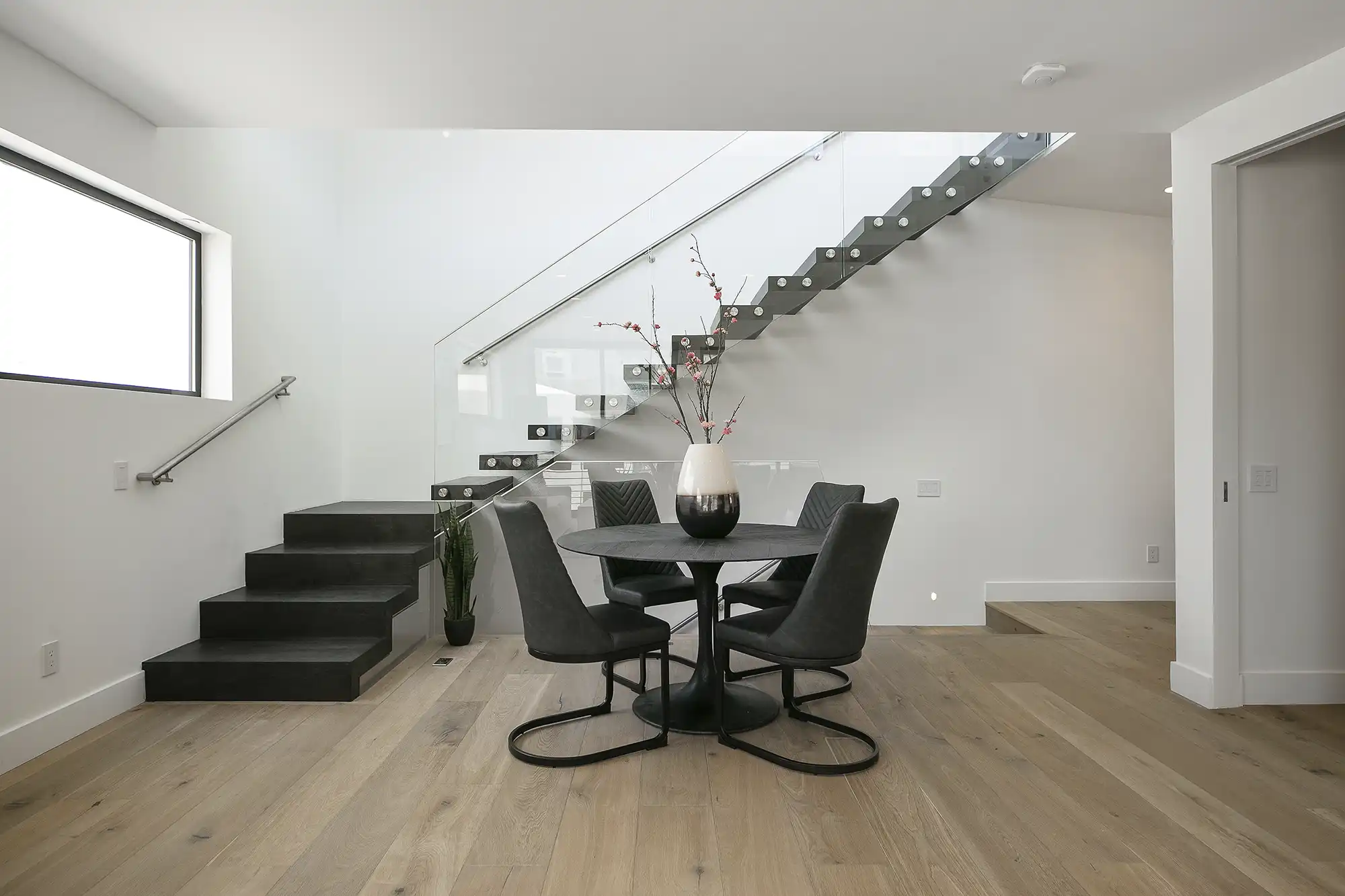
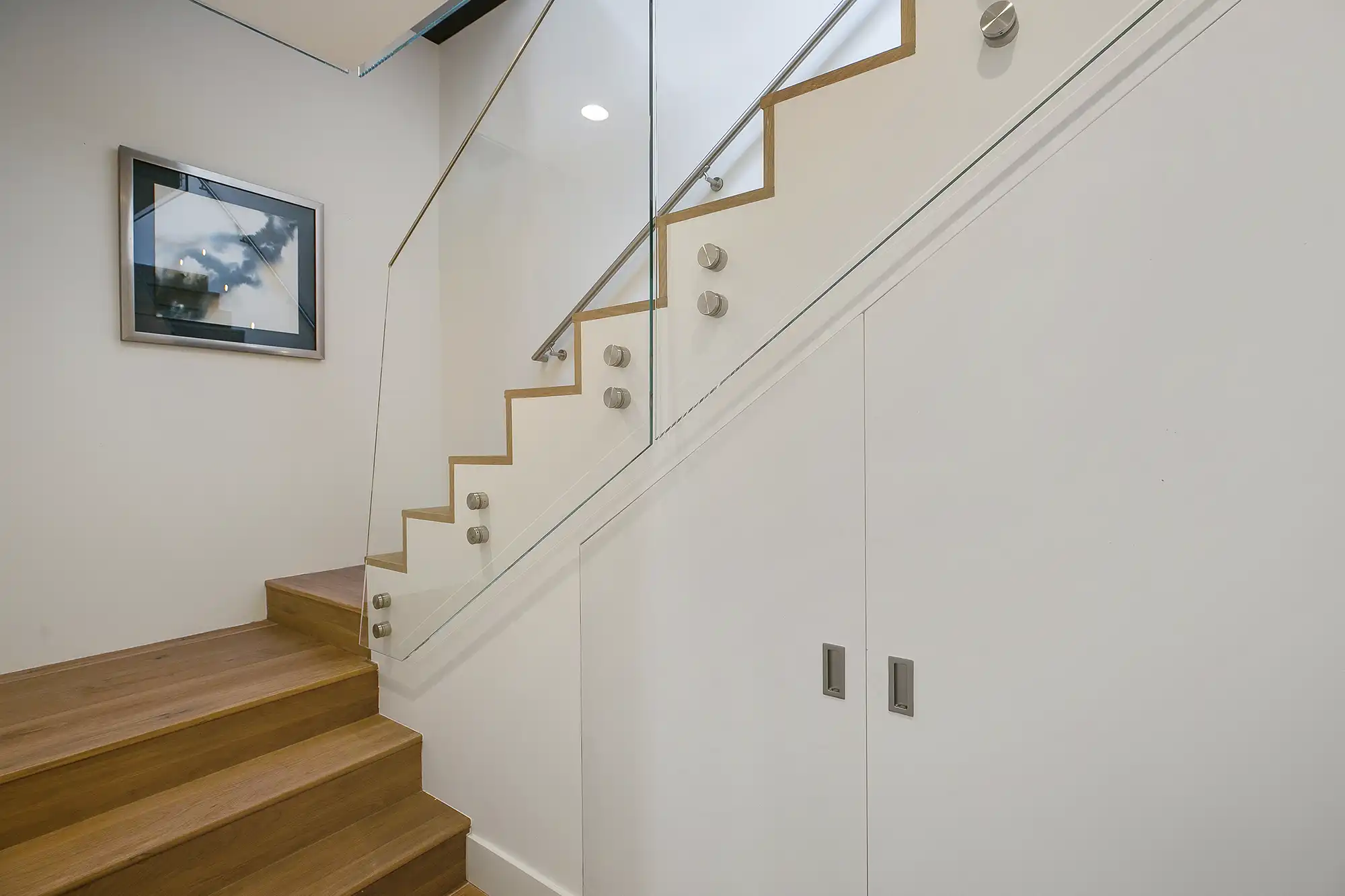
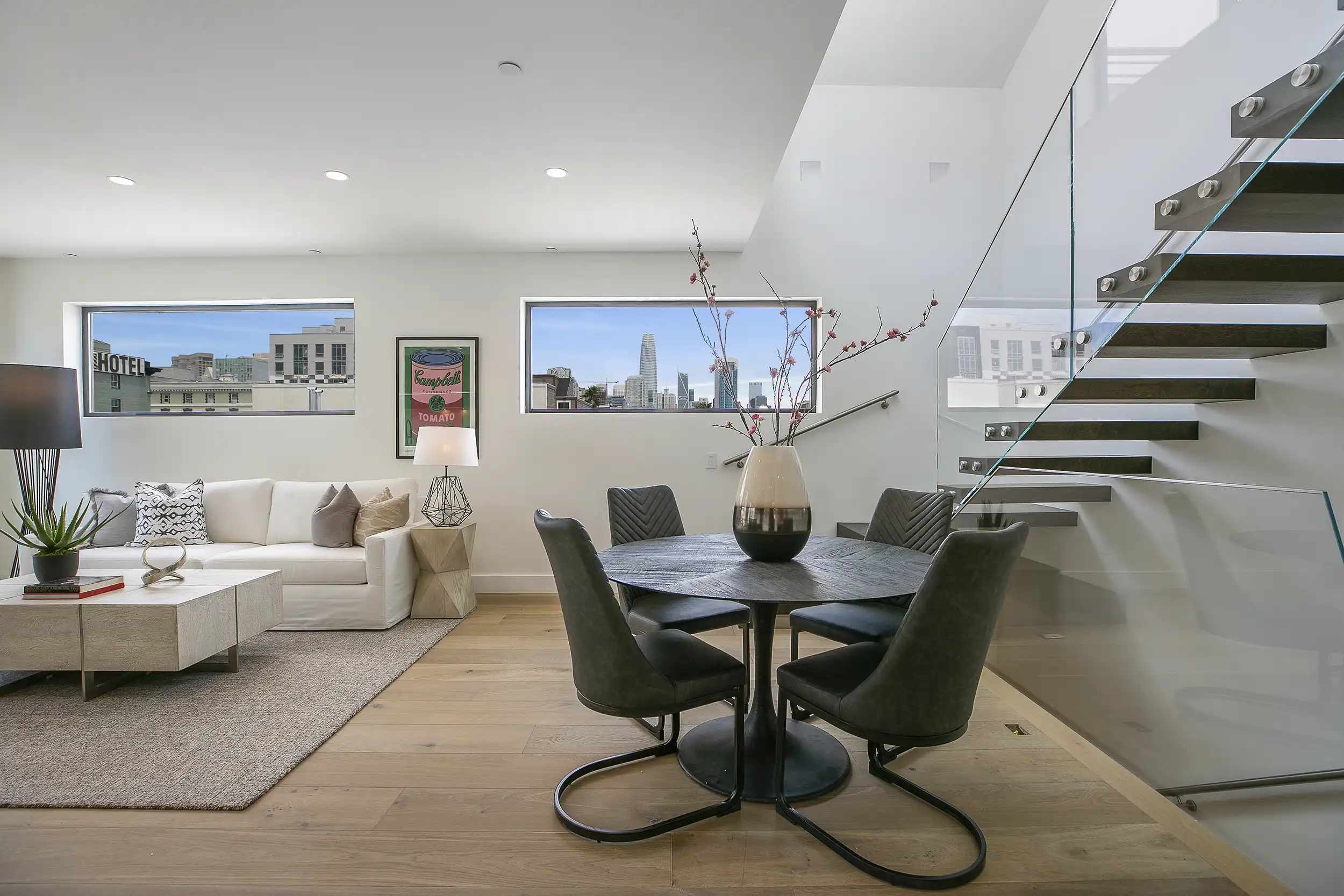
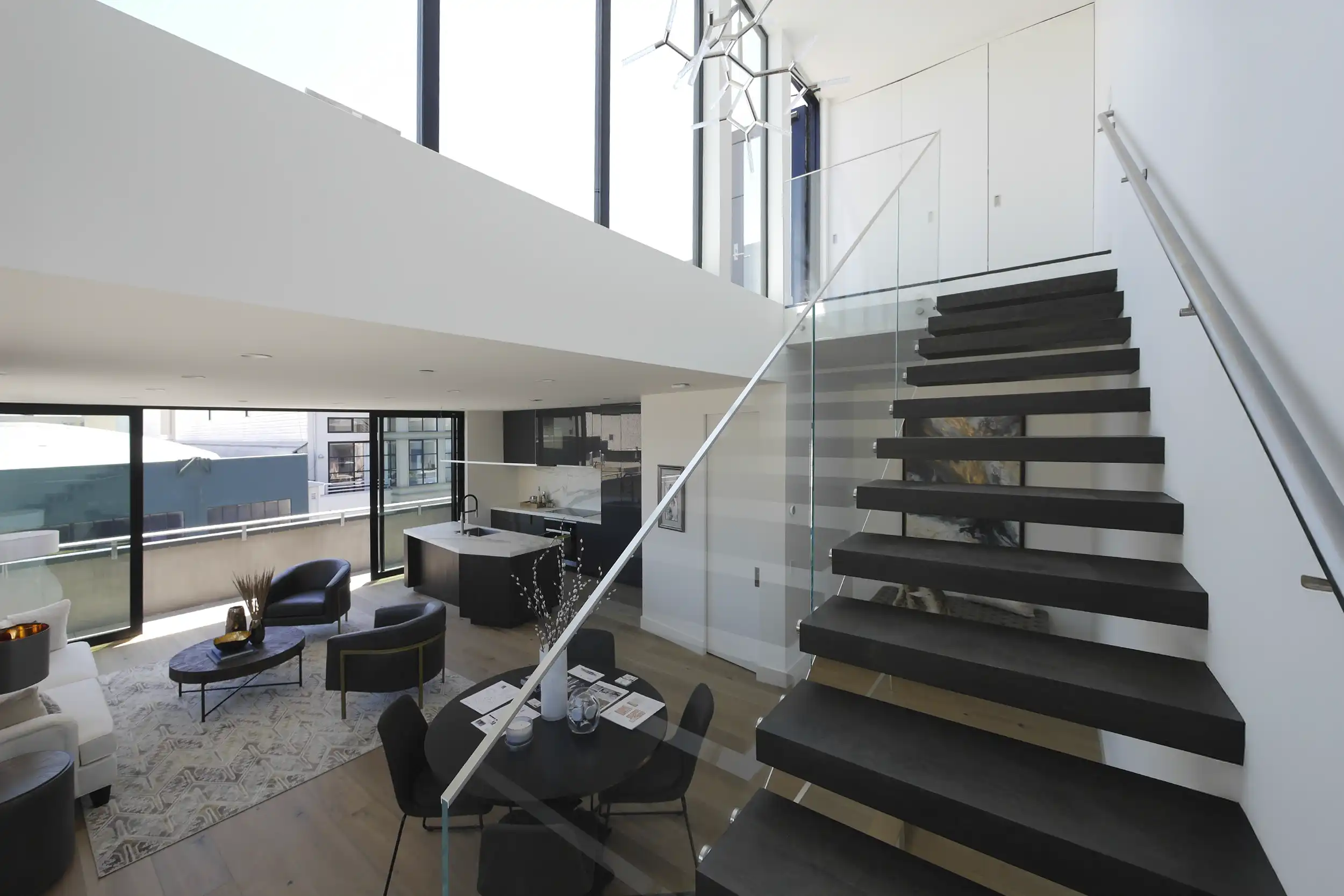
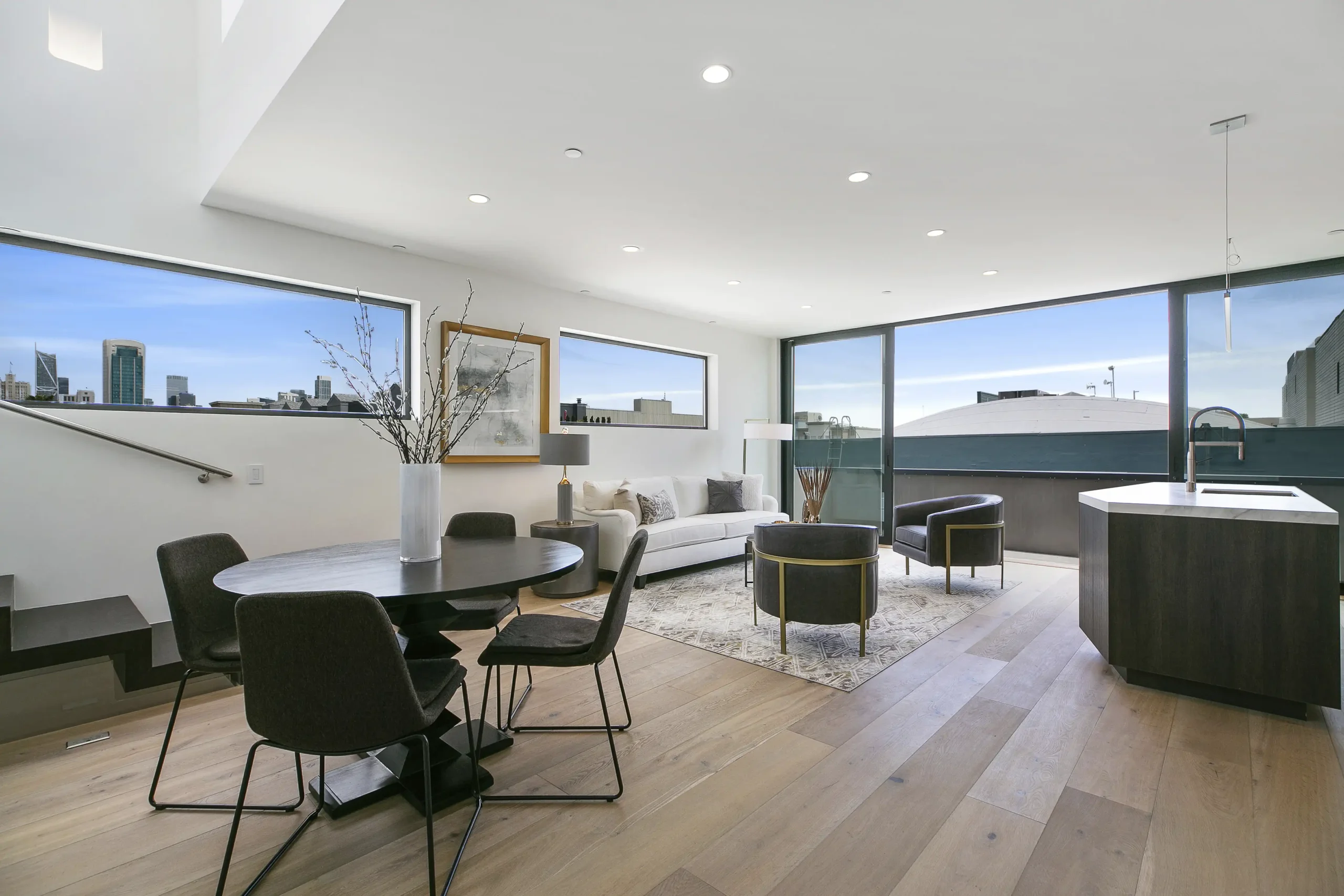
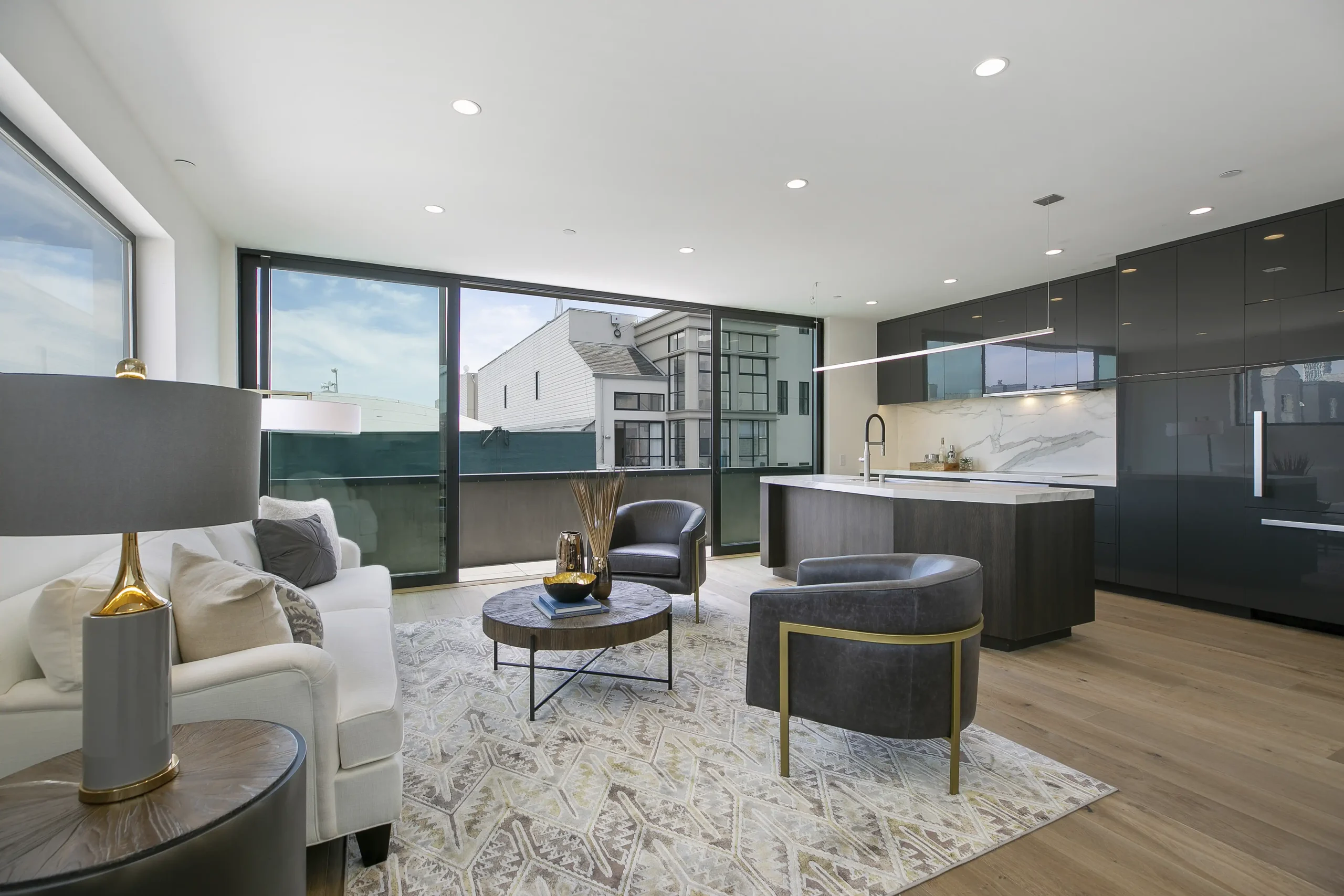
By splitting the upper portion of the building into two two-story units —one front and one rear— and placing the stairs at the center of each unit, circulation became an architectural asset. Open staircases with glass railings create light-filled entry sequences and connect living spaces vertically rather than isolating them. This decision changed the entire experience of the building.
Using building codes to create light and space
One of the most consequential discoveries came from a close reading of San Francisco’s allowance for rooftop stair-access penthouses. Typically treated as a technical necessity for fire and maintenance access, this provision offered an opportunity.
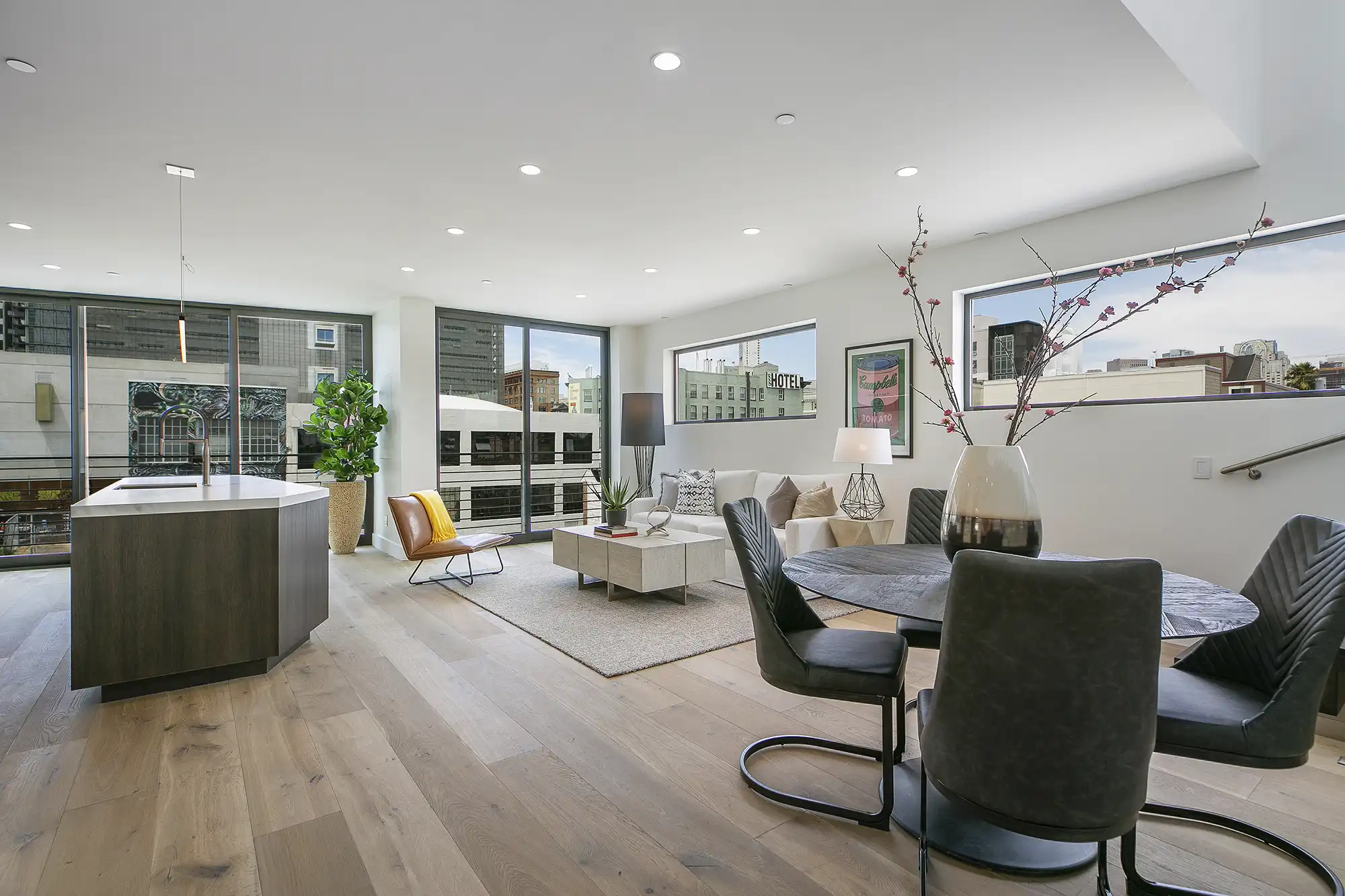
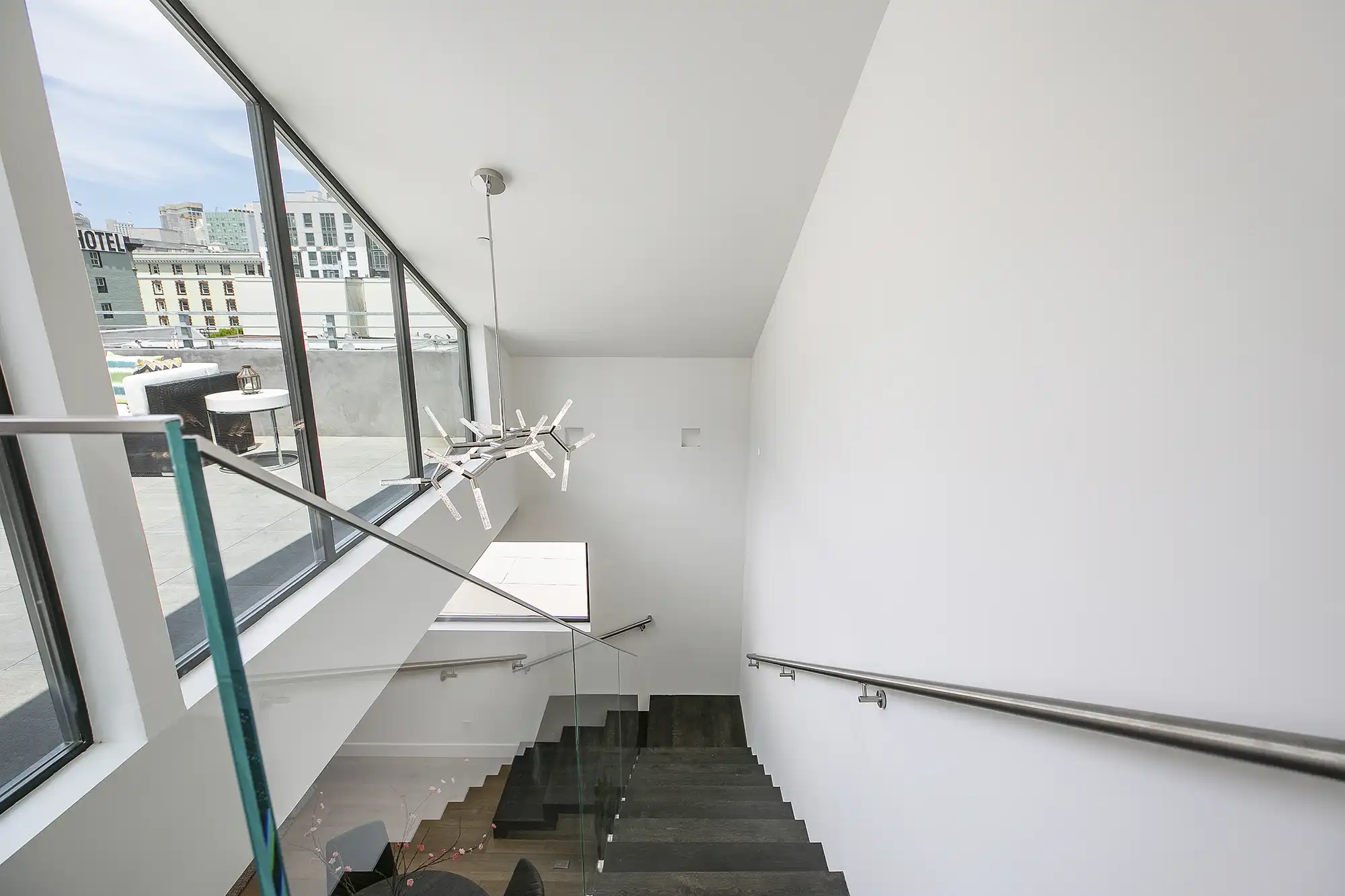
By maximizing this allowance, we created vertical volumes at the back of each unit and lined the rooftop wall with glass. Light now enters from above and travels down through the stair volume, reaching living areas, bedrooms, and even the entry level. What is often the darkest part of a condo became one of its defining spatial qualities.
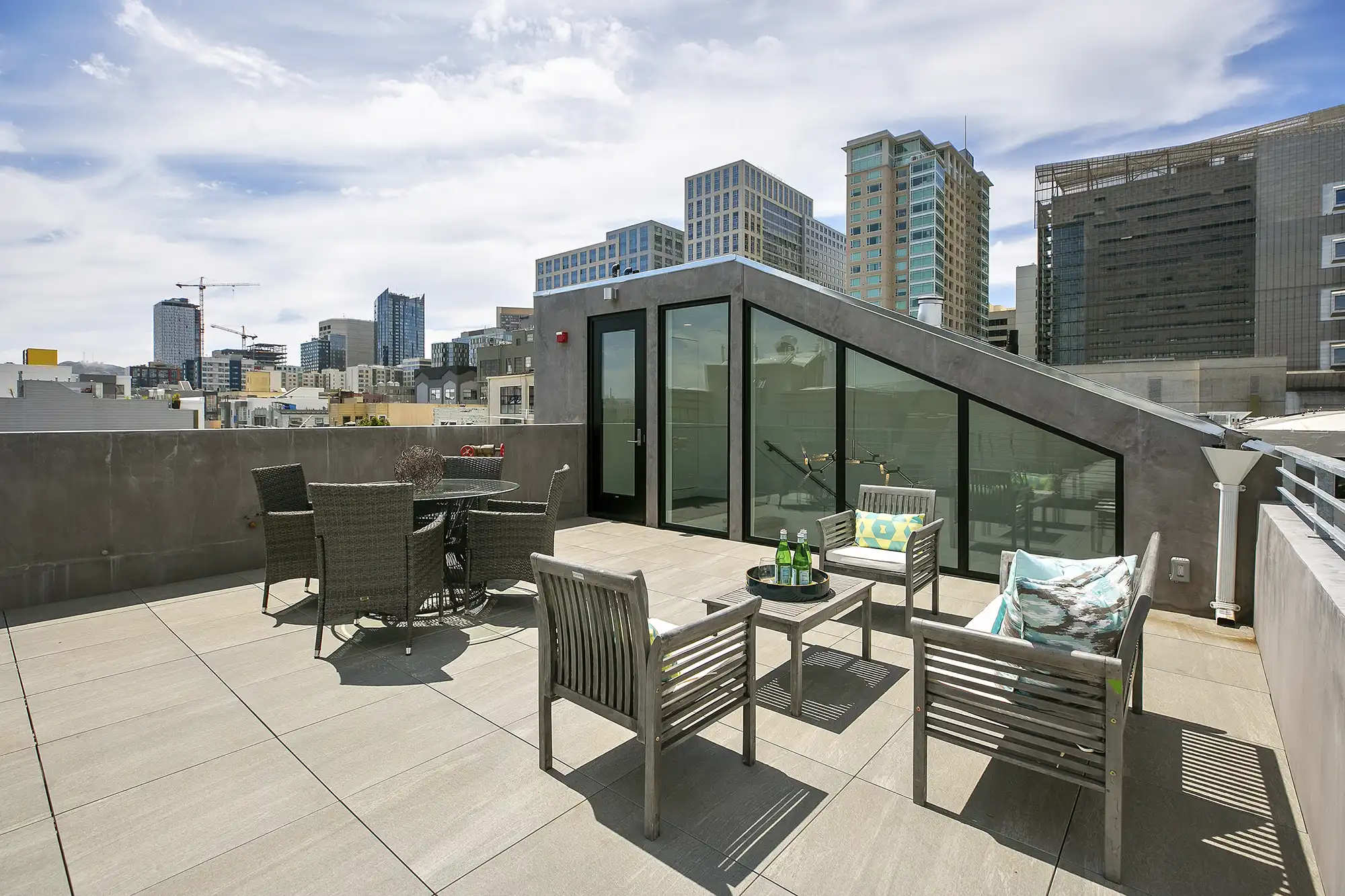
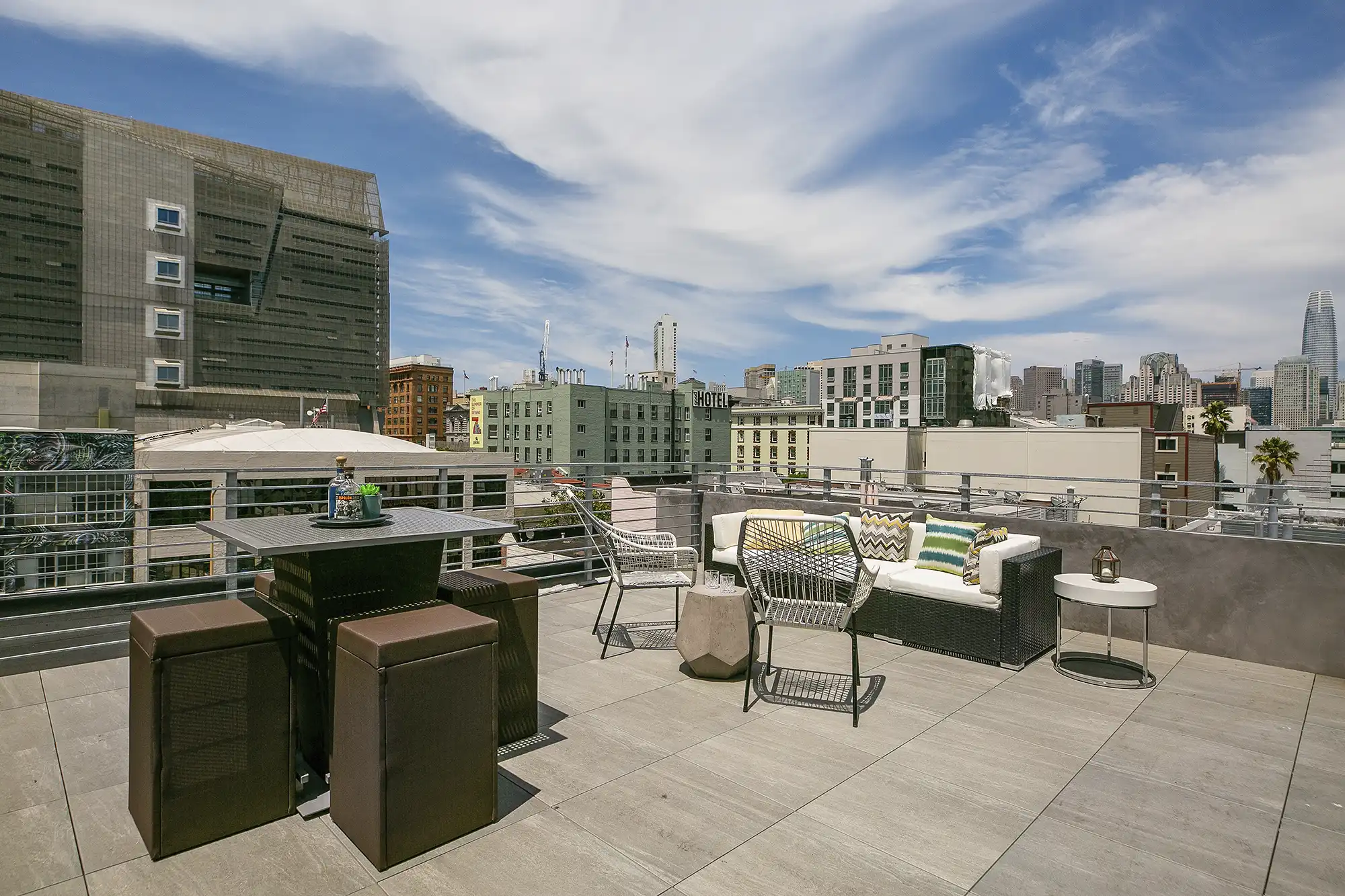
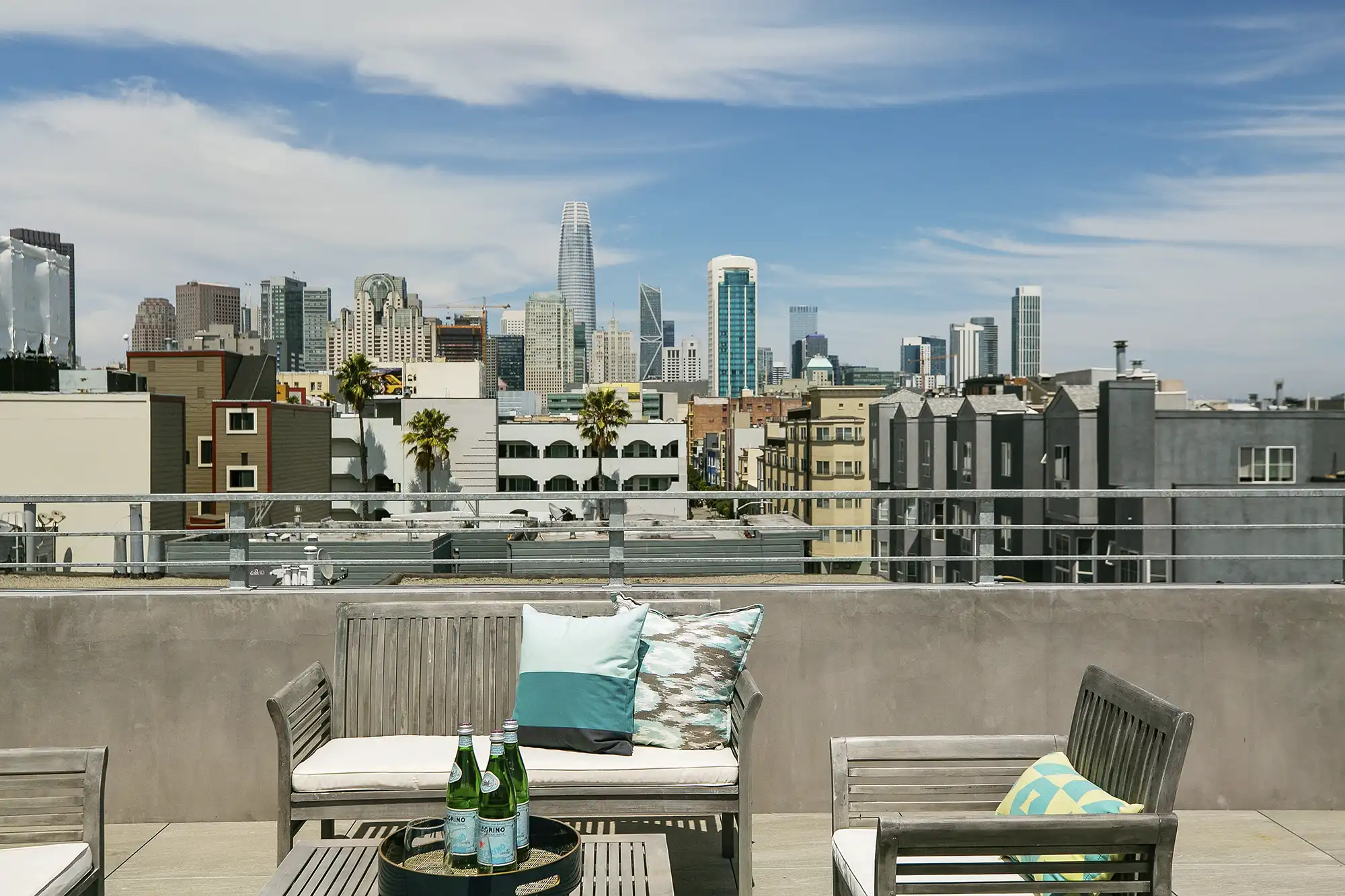
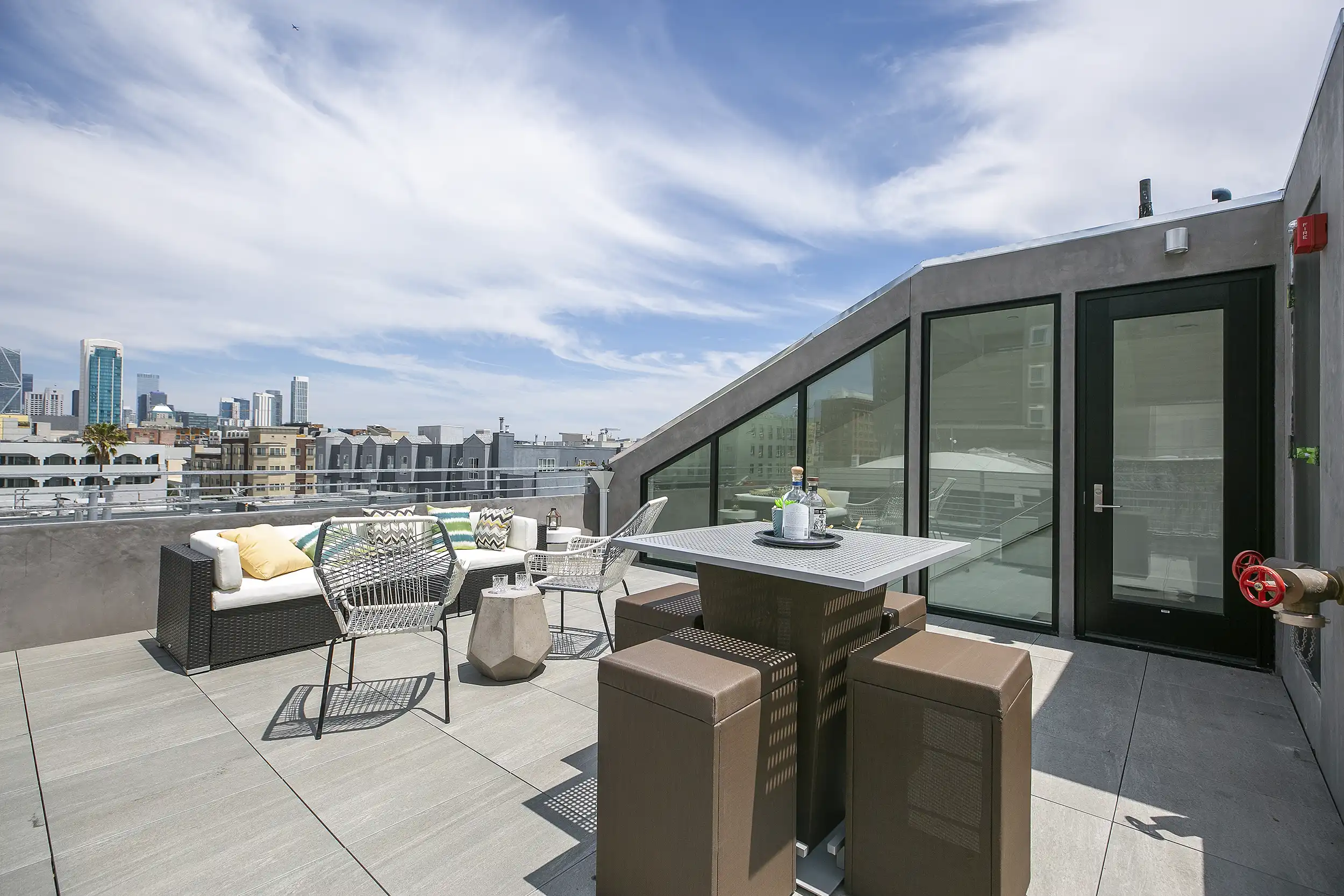
The rooftop arrangement places the penthouse stairs back to back, separating the front and rear units and creating two generous, private roof decks. Each unit gains meaningful outdoor living space and long views across the city.
Negotiating context without compromise
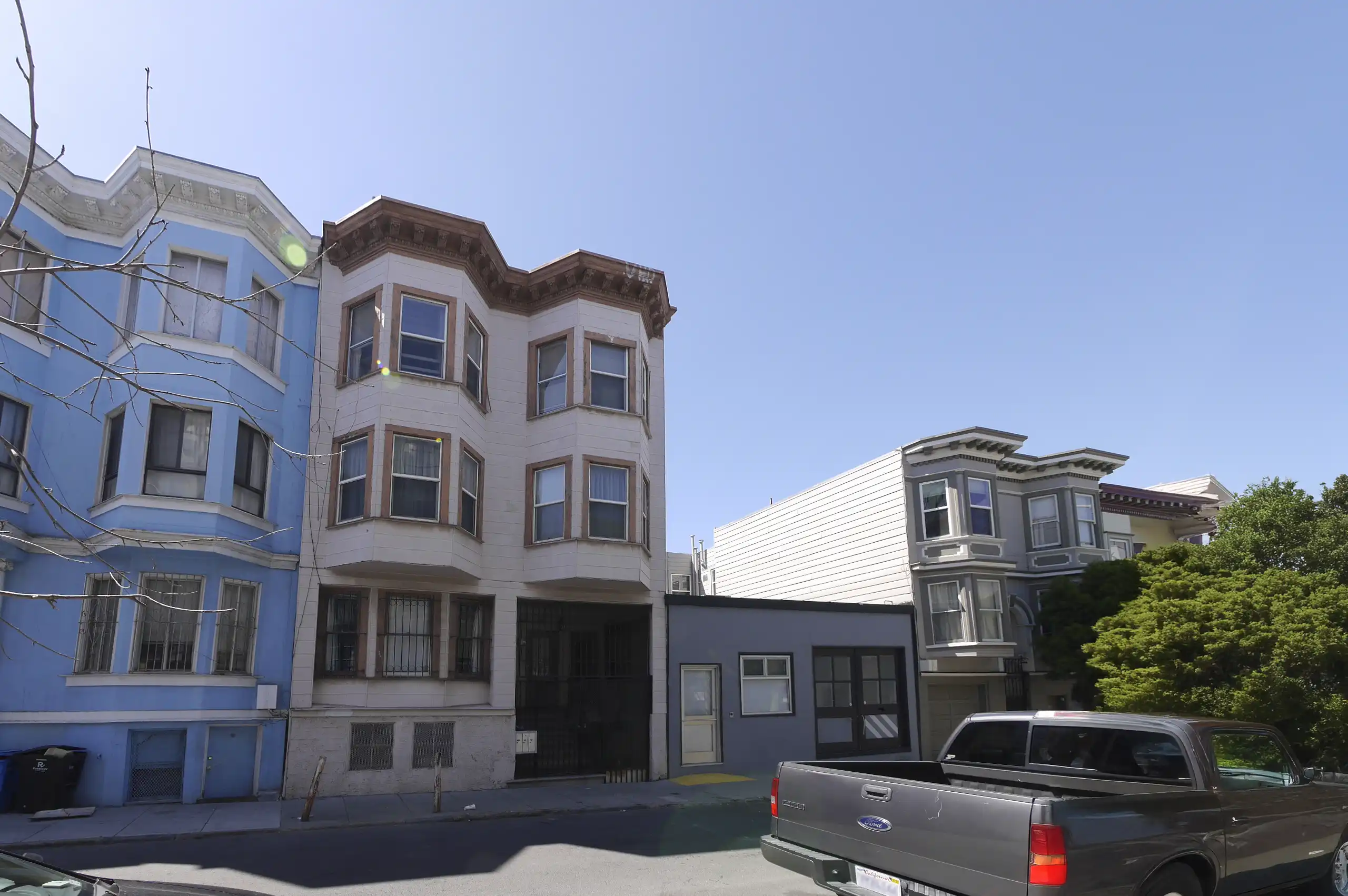
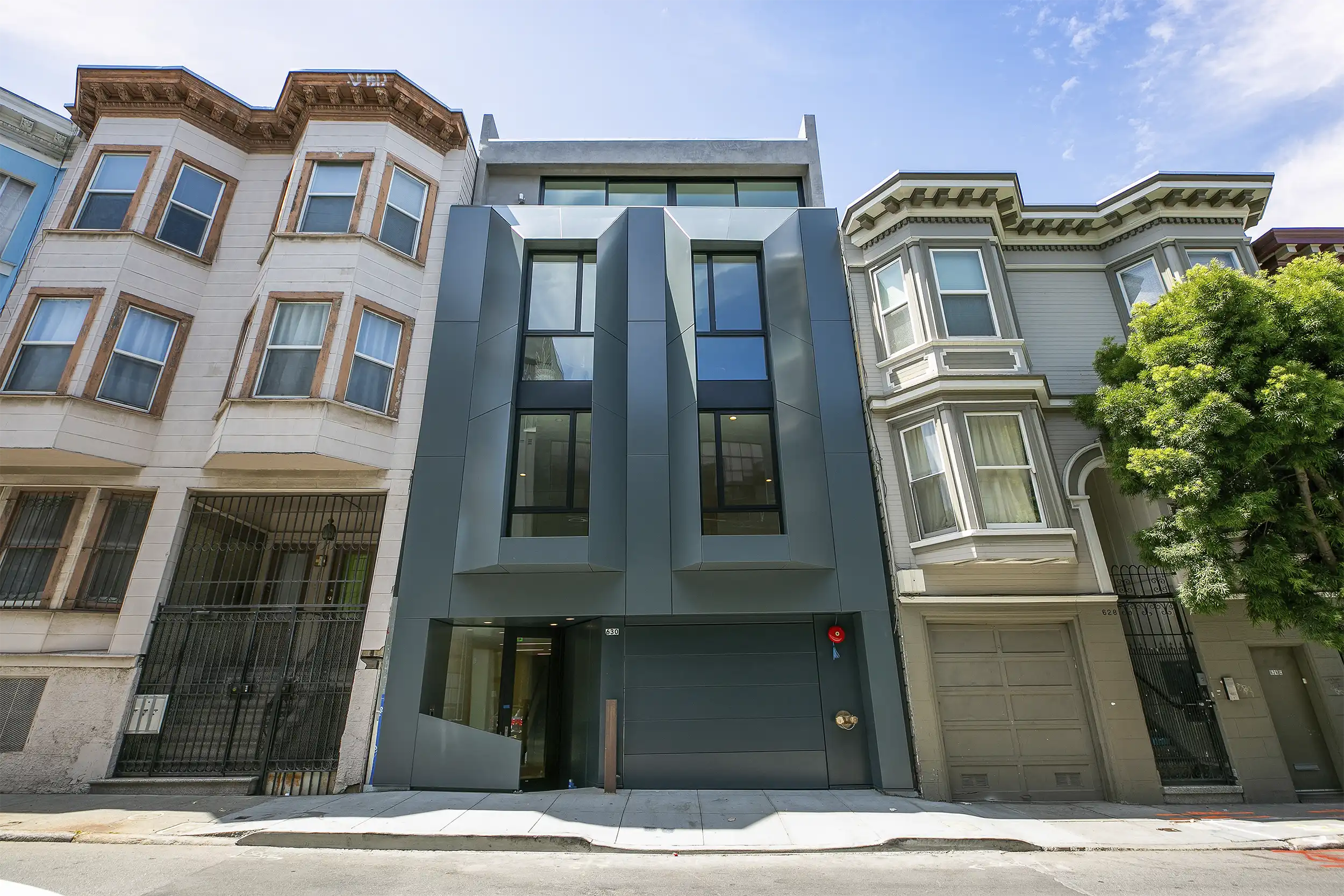
The South of Market neighborhood is an evolving mix of older residential buildings and small industrial warehouses. While our client wanted a modern building, the planning department favored familiar double bay window forms typical of San Francisco housing.
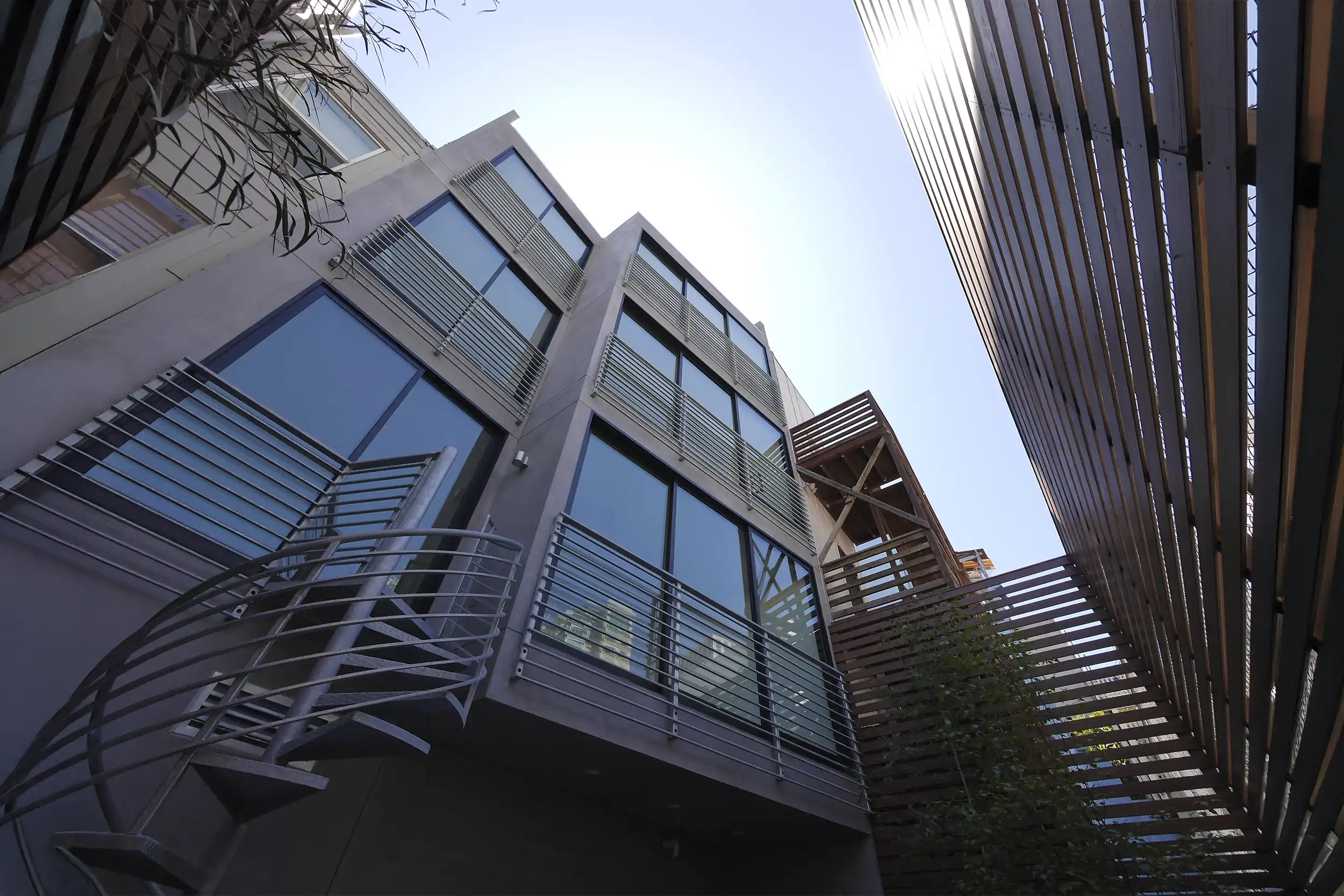
Rather than resist this outright, we reinterpreted it. The building follows the adjacent massing pattern but renders it in a contemporary language. Traditional bay forms are expressed in metal panel cladding, allowing the project to align with the street while clearly belonging to its industrial context.
This approach satisfied planning concerns and avoided a formal design review process, saving time and cost while preserving the project’s architectural intent.
Result
Scott’s approach
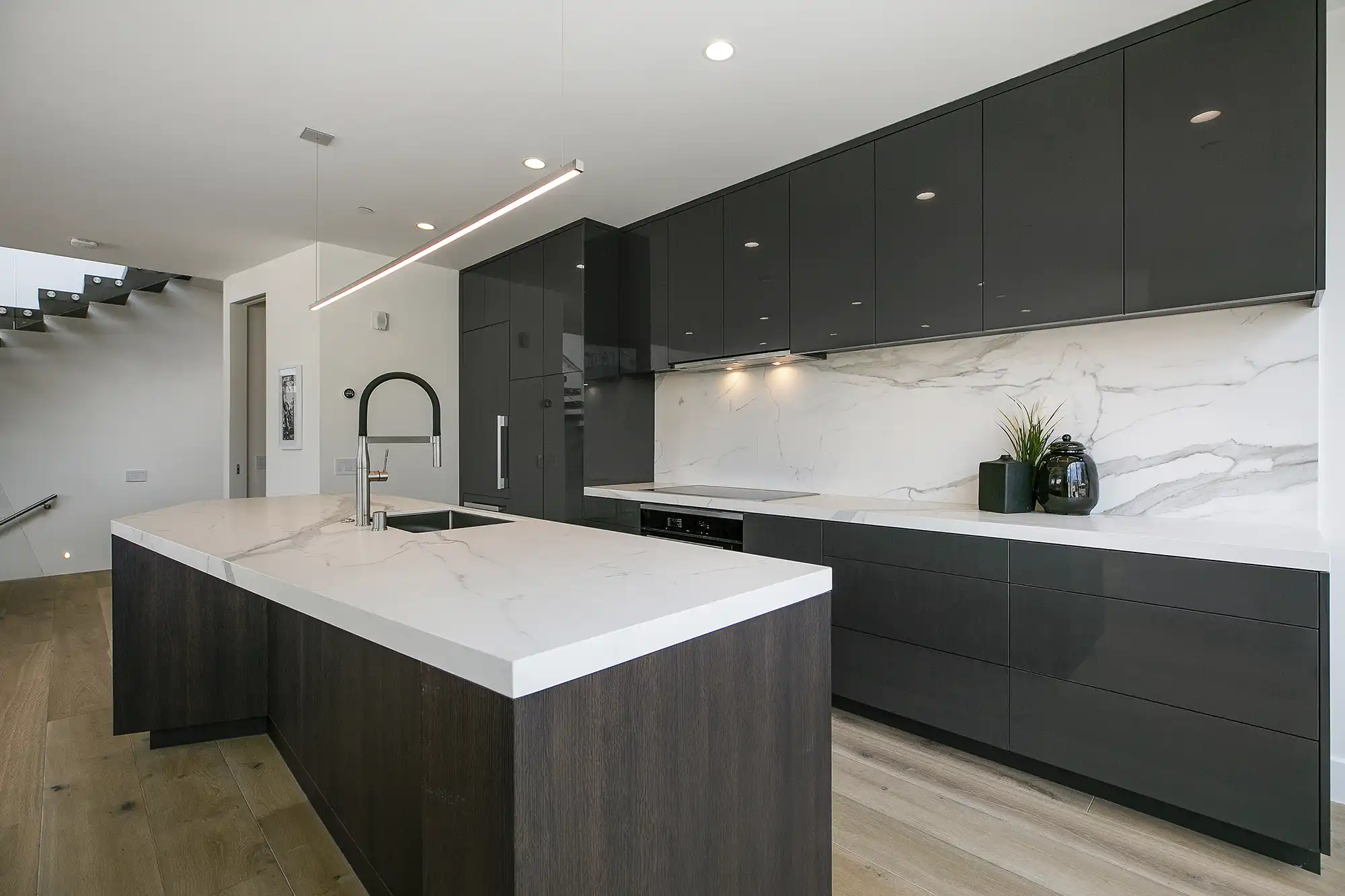
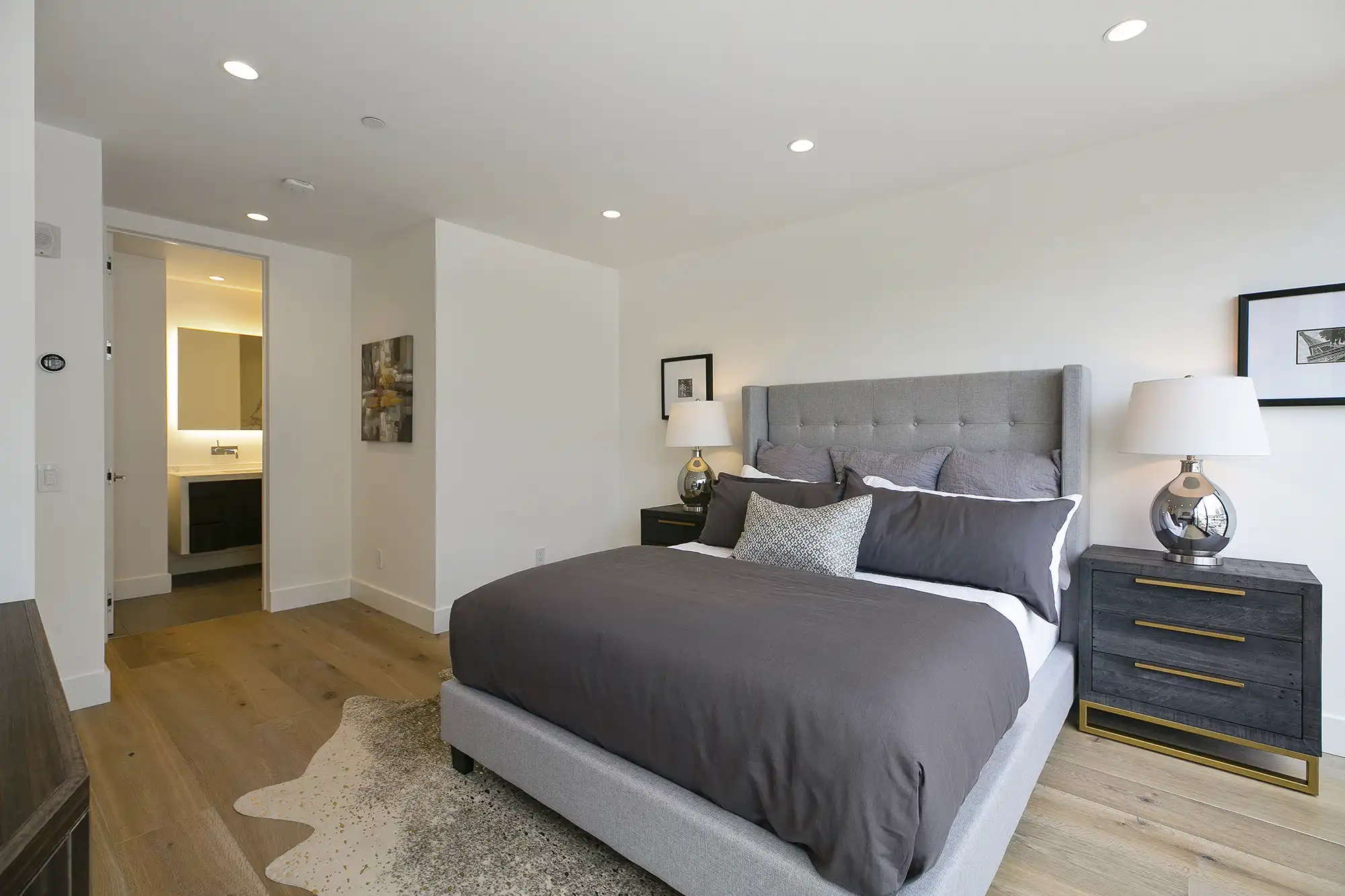
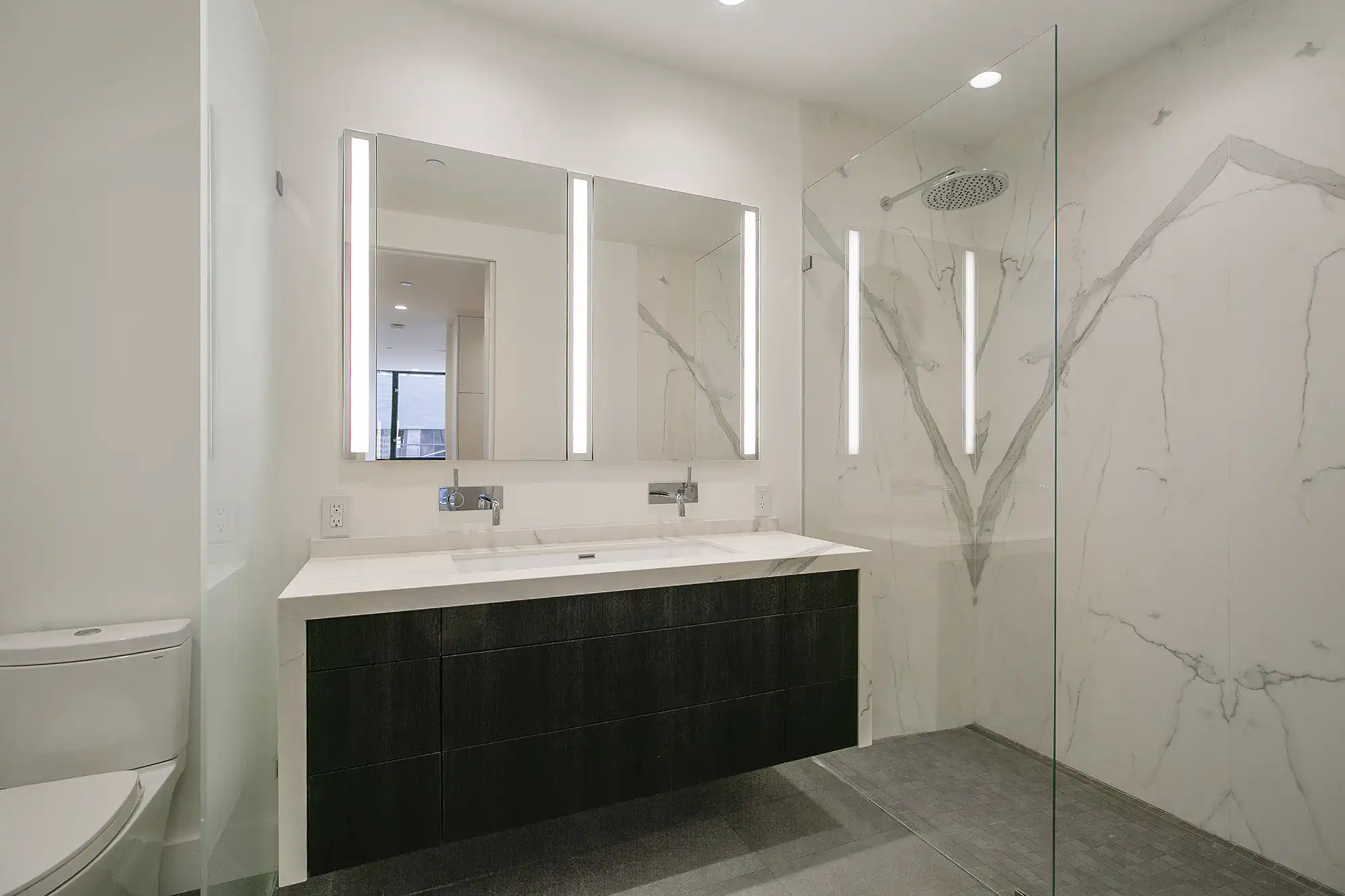
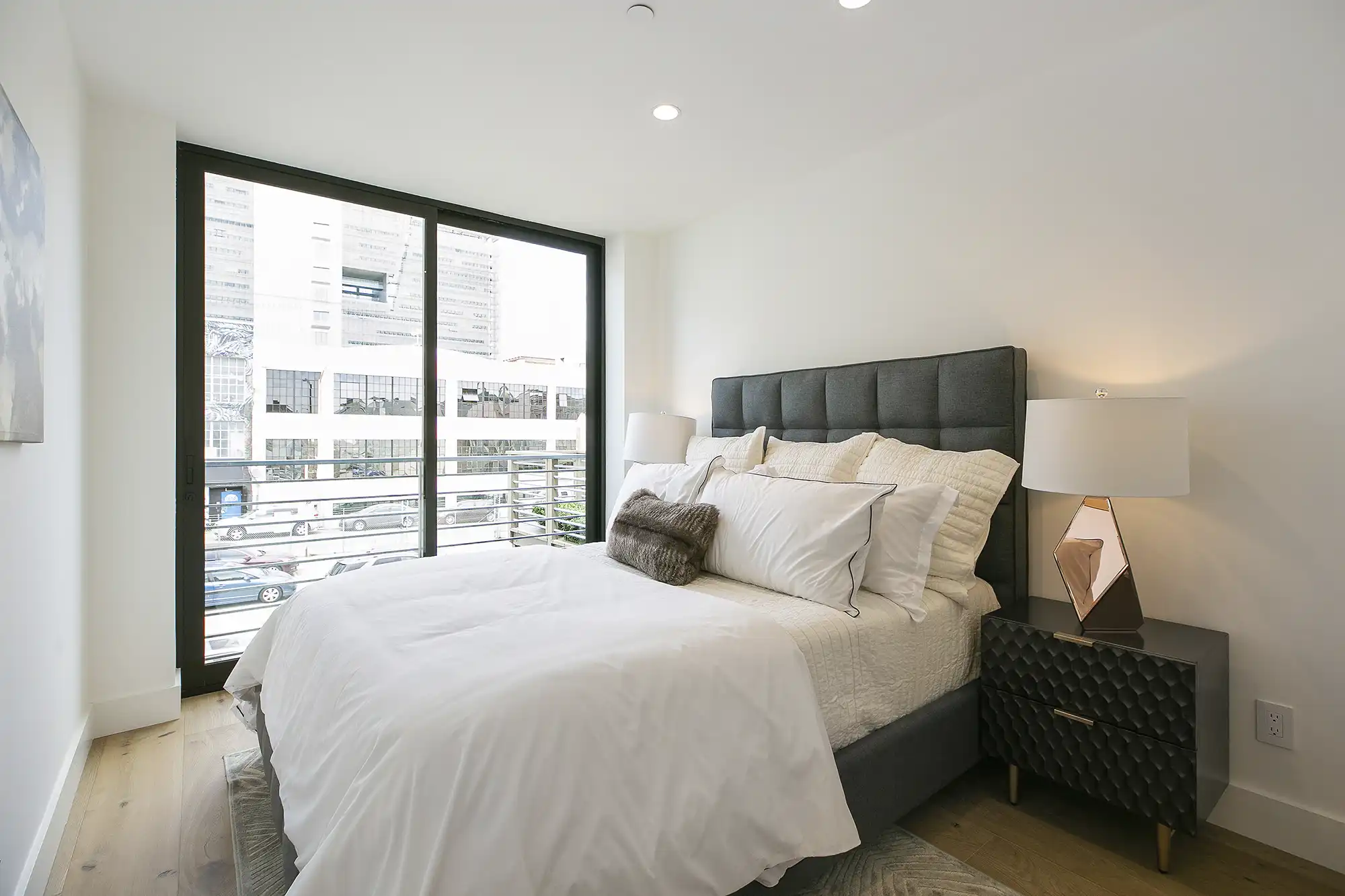
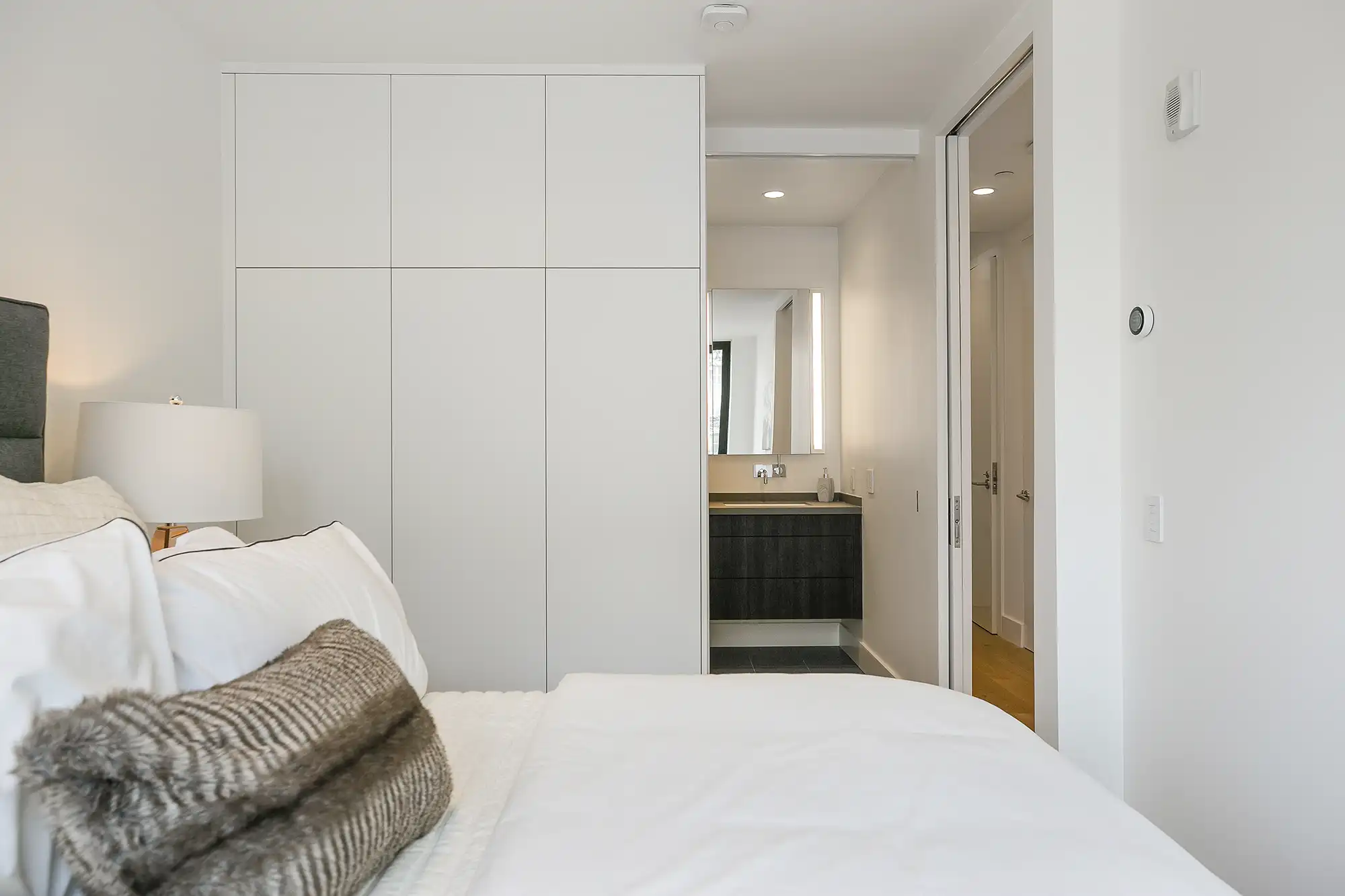
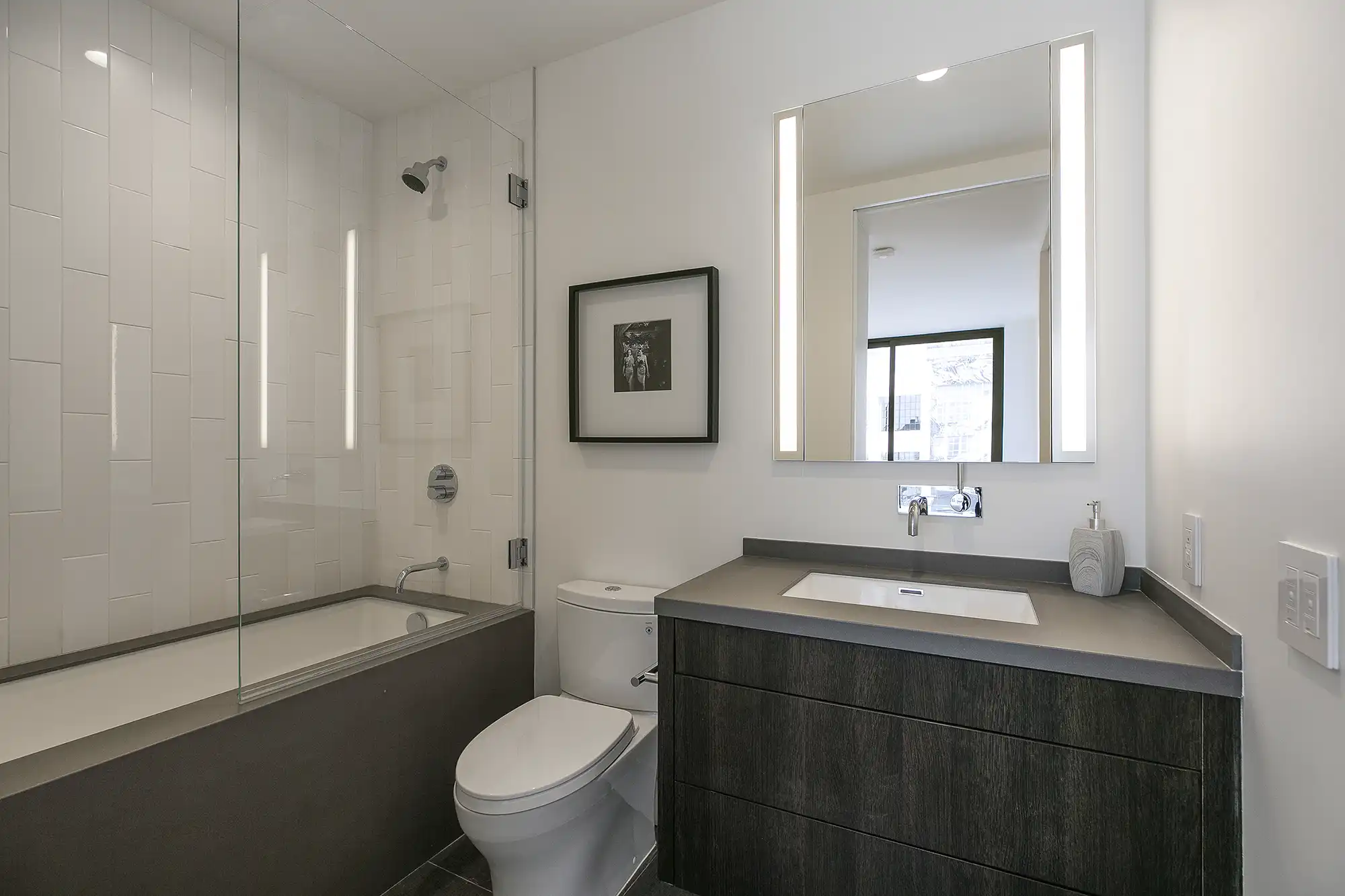
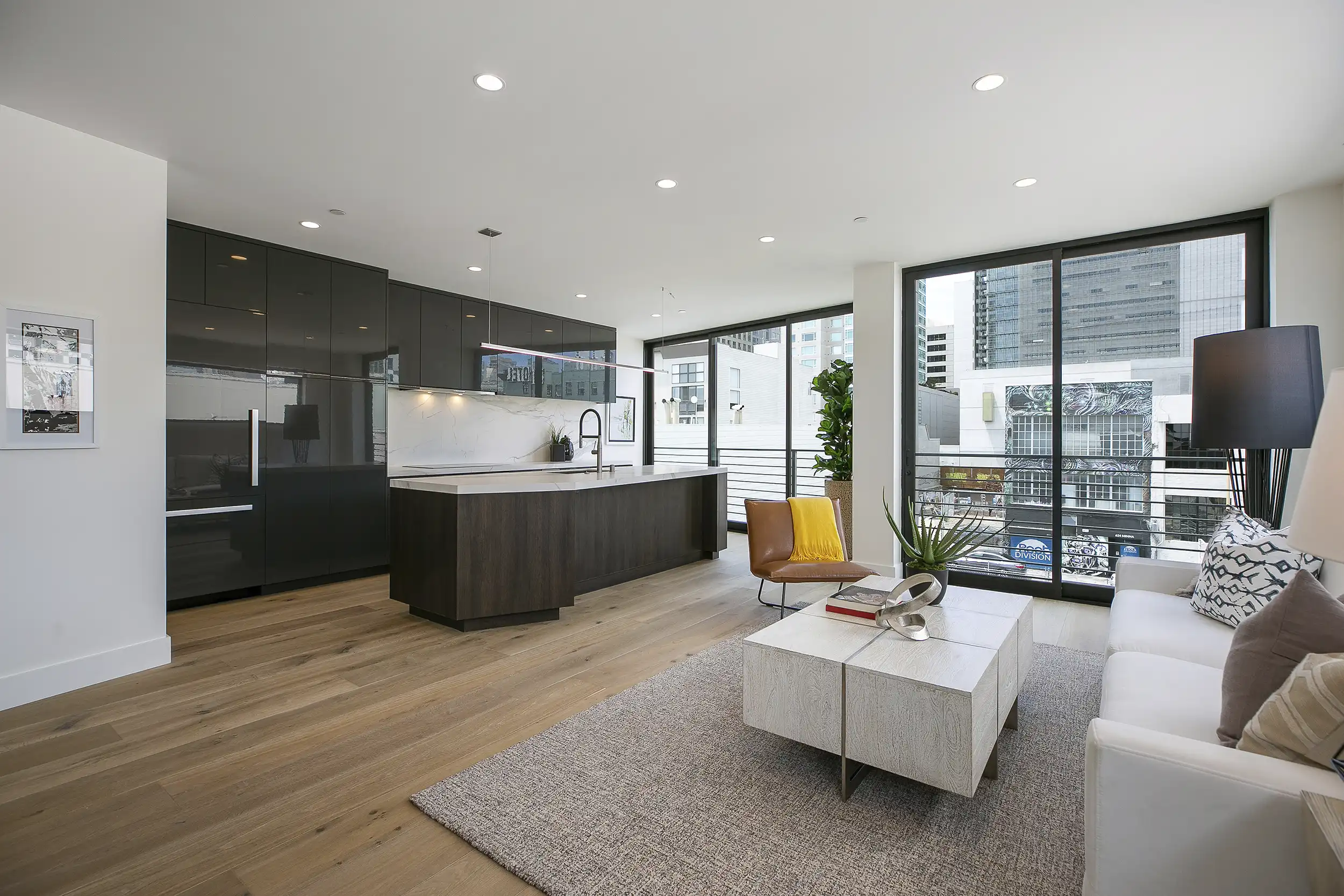
Urban Condos demonstrates how thoughtful interpretation of zoning and building codes can lead to fundamentally better housing. Each unit enjoys abundant natural light, expansive views, internal vertical circulation, and private outdoor space. The exterior is tough and durable, responding to the neighborhood’s grit, while the interiors are open, bright, and calm.
For me, this project reinforces a core belief. The most impactful design work often comes not from fighting constraints, but from understanding them deeply enough to turn them into advantages.